

A new commemorative look for some US passports is stirring debate at home and questions about travel abroad

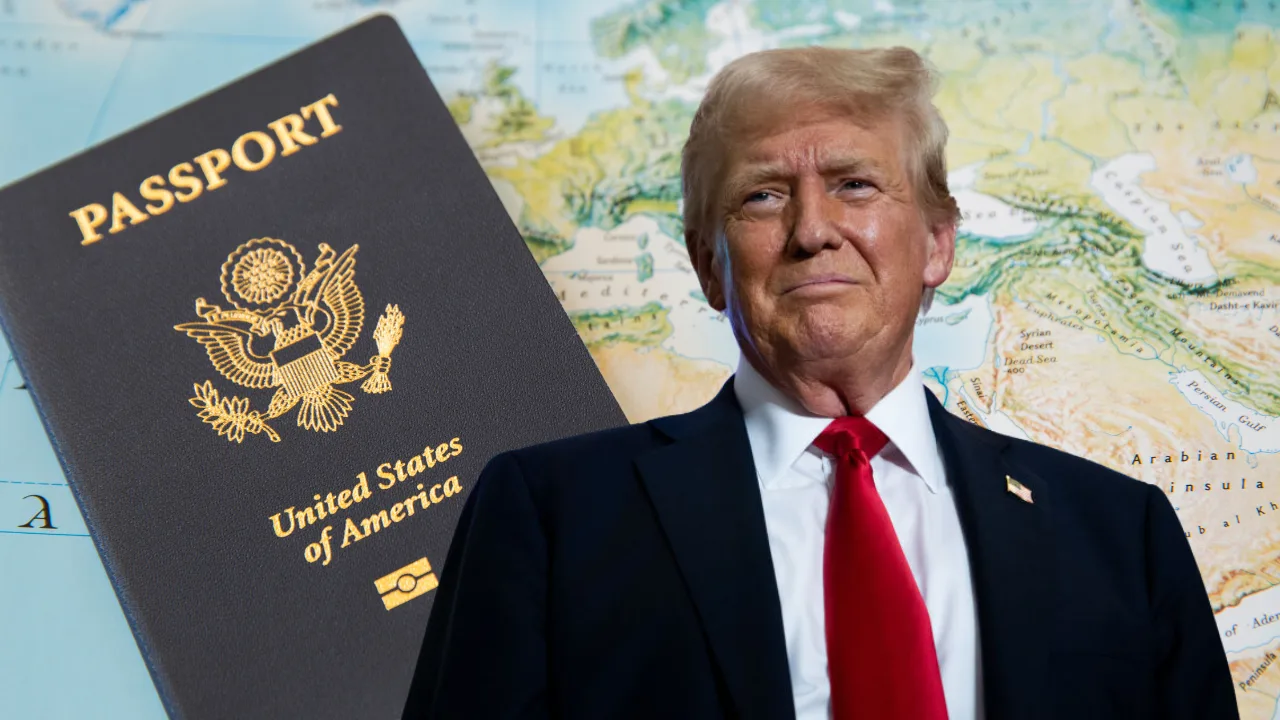
Some Americans renewing their passports this year may notice a very different look on the cover and inside pages. As part of the nation’s 250th anniversary observances, the administration has introduced a limited-edition design that features President Donald Trump’s portrait set against imagery of the US Constitution.
Officials describe the update as a commemorative treatment for the semiquincentennial. The intention, they say, is to mark a historic moment with patriotic symbolism that nods to the country’s founding documents. The new design places the president’s image over a Constitution-themed background, a choice that departs from the more familiar mix of eagles, monuments, and scenic vignettes seen in recent decades.
The move has prompted strong reactions on both sides. Backers view it as a keepsake that ties the modern presidency to the nation’s origins. Detractors see it as unusually personal for a government identification document and worry that it edges away from the nonpartisan appearance Americans are used to.

According to the State Department, these commemorative passports will be limited and, by default, produced through the Washington Passport Agency during the anniversary period. Not every applicant will receive the special version. If you prefer the standard design, applying online or through other passport offices should result in a traditional passport without the presidential portrait.
If you are planning a renewal and want to avoid the commemorative style, it may help to choose a channel other than the Washington agency. Routine by-mail renewals and appointments at regional agencies outside Washington are expected to continue issuing the familiar design. If you are renewing online when available, the standard version should be the outcome as well.
What this change does and does not mean for your travel
Whether your passport has the new commemorative pages or the familiar design, it remains a valid US travel document. The embedded chip, biographic data, and security features function the same way. Airline check-in, TSA screening, and border control systems read the data page and chip, not the decorative elements on the interior pages.
That said, many travelers, especially those who journey frequently or visit places where American politics are closely watched, have wondered how the portrait might be perceived. It is reasonable to expect most border officers to continue focusing on verification and security—not page art. The essentials they care about remain unchanged: identity, citizenship, validity dates, and whether your entry meets that country’s rules.
Still, some travelers worry the image could invite more conversation or scrutiny in destinations where the current president is viewed unfavorably. While outright refusals of entry based on a passport’s commemorative design would be unusual, individual experiences can vary. If you are headed to places where political sensitivities run high, simple preparation can help the process feel smoother.
For older travelers who value predictability at checkpoints, a few calm habits go a long way. Keep your boarding pass, hotel confirmation, and return ticket handy. Have your glasses accessible for reading forms. If you take medications, carry a basic list of their names. Present your passport promptly and answer questions simply and politely. These small steps can ease the interaction regardless of which design you carry.
If you dislike the new look or want to minimize the chance of conversation about it, choose a renewal path that favors the classic design. Consider your travel calendar so you can use routine processing rather than last-minute appointments at the Washington agency, where the commemorative version is likely. If your plans are tight, expedited service through a different regional office may be a better fit.
Why the design is changing this year
America is marking 250 years since independence from British rule, a milestone often referred to as the semiquincentennial. Federal and state institutions are organizing programs, exhibits, and community events throughout the year to celebrate the nation’s history and highlight the people, places, and ideas that shaped it.
Supporters of the new passport pages see the portrait-and-Constitution imagery as a statement of continuity—linking modern leadership to the founding principles. For them, the book becomes both an identification document and a small piece of national memorabilia that captures the moment’s spirit.
Critics take a different view. They argue that US passports have traditionally reflected the country itself rather than any single officeholder. To them, placing a current president’s face inside a document carried by everyday citizens introduces a political note into an item that, in their view, should remain strictly neutral and enduring across administrations.
Public reaction and common questions
Online discussions quickly surfaced practical worries. Some people asked if the design could lead to awkward conversations, heightened inspections, or slower lines at foreign borders. Others questioned whether certain countries might deny entry altogether. While such outcomes are uncommon, the concerns reflect how personal and important passports are to travelers.
Commentators also noted how unusual this step is. To their knowledge, a sitting president has not previously been featured in such a direct way on a US passport. That break from tradition is a major reason the update has drawn attention beyond typical design tweaks and security upgrades.
In places aligned with the United States, most travelers may notice little difference in how they are processed. In regions where American politics are more contentious, some individuals are bracing for added questions or conversation. Experiences will likely vary, much as they already do with any high-visibility news event or diplomatic moment that colors how people abroad view Americans.
People familiar with border procedures often point out that officers are trained to verify identity and intent rather than react to page art. They emphasize that countries assess your eligibility based on visas, return plans, sufficient funds, and compliance with entry rules. Still, even these observers acknowledge that a distinctive design can become a talking point at a counter, particularly in busy seasons or tense times.
Why some Americans are uneasy with the symbolism
Beyond the travel mechanics, a deeper discomfort has emerged among critics who feel that placing a leader’s face on everyday government documents projects a kind of personal branding. They argue that lasting recognition should follow a full record of service rather than arrive during it, and that national milestones ought to spotlight the country’s shared story rather than center on one figure.
Others echo that the 250th anniversary is a powerful opportunity to celebrate communities, veterans, innovators, and the democratic ideals that have carried the nation forward. For these voices, focusing the passport on a single individual risks making an already divided public conversation even sharper.
The White House, for its part, has defended the choice. Officials frame the updated passport as one piece of a much larger effort to refresh national pride during a historic year. Alongside parades, museum programs, student projects, and concerts, they view the commemorative design as a symbolic gesture meant to mark the occasion, not to redefine the passport’s purpose or function.
It is also important to remember that this is described as a limited, time-bound edition. The change is not presented as a permanent overhaul of the US passport system. The standard design remains in circulation, and many applicants will continue receiving it depending on when and where they apply.
Clear, simple guidance if you are renewing soon
If your next trip is on the calendar and you are weighing your options, start with where you plan to apply. Applicants using the Washington Passport Agency during the anniversary period are most likely to receive the commemorative version. Those renewing online when eligible, by mail, or at other regional agencies should expect the standard design.
Eligibility for by-mail renewal usually depends on having an undamaged, recent adult passport and no major changes to your personal details. If that describes your situation, by-mail renewal can be a straightforward way to steer toward the familiar design. If you need to apply in person—such as for your first adult passport, a name change, or a long-expired book—consider booking at a regional office outside Washington if you prefer to avoid the commemorative edition.
Processing times vary with demand. Routine service often takes several weeks, while expedited processing, for a fee, aims to shorten that window. If you have travel within a few weeks, appointments can be limited and may route you to Washington, increasing the odds you receive the commemorative book. Planning a little extra time can help you keep control over which design you receive.
If you already received the commemorative passport and strongly prefer the standard design, you can apply for a replacement, but regular application fees would still apply. There is no widely announced free swap program. Most travelers will find that the practical differences are minimal, and that using the book you have is the simplest path forward.
Holding citizenship in more than one country does not change how a US passport is recognized at the US border, and most foreign authorities focus on validity and visas rather than page artwork. If you normally travel with two passports, follow your usual routine and carry the document each country expects at entry and exit.
Visa processes are unchanged. Embassies and consulates place visas in whichever valid passport you present. If you are renewing and have an unexpired visa in an older passport, many countries allow you to travel with both the new passport and the old one carrying the visa, provided both are intact and the personal details match.
If your passport is lost or stolen, report it promptly and follow the standard replacement steps. These procedures are the same whether your book is a commemorative edition or the traditional version.
What to expect over the coming months
Because this rollout is tied to a specific anniversary, several things may evolve. The number of commemorative books produced could expand or contract based on demand and logistics. Additional guidance may clarify exactly which application paths lead to which design. Early traveler reports will give a clearer picture of how foreign border officials respond in day-to-day situations.
If you like to stay informed, check official notices before you apply to see if anything has changed about where the commemorative version is issued. If you prefer to keep your travel routine as familiar as possible, choose an application route that reliably yields the standard design and build in enough time to avoid last-minute appointments.
Above all, remember that the passport’s strength comes from the country behind it, not from page art. Whether your book carries the commemorative imagery or the classic scenes, it confirms your identity and citizenship, and it opens the same doors to travel. Choose the option that leaves you feeling calm and confident, and then focus on the journey ahead—the people you will see, the places you will enjoy, and the experiences that make travel worthwhile.
For many, this anniversary year will be one to remember. If you receive the commemorative passport, you may decide to keep it as a memento once it expires. If you prefer the traditional look, the standard design remains widely available. Either way, with a bit of planning and patience, your travel should proceed much as it always has.
If you are helping a spouse, relative, or friend through the renewal process, the same simple approach applies. Gather the documents early, choose the application path that matches your preference, and keep an eye on processing times. A little preparation today will help you step into your next trip with less worry and more peace of mind, regardless of which artwork ends up inside your passport.
As the celebrations continue, expect to see more signs of the semiquincentennial in museums, parks, and community events. The passport is just one symbol among many. However you feel about the design, the milestone is an invitation to reflect on the journeys behind us and the ones still to come—across towns, states, and oceans, with a small blue book in hand.



