A candid remark from a former president sets off a familiar national debate
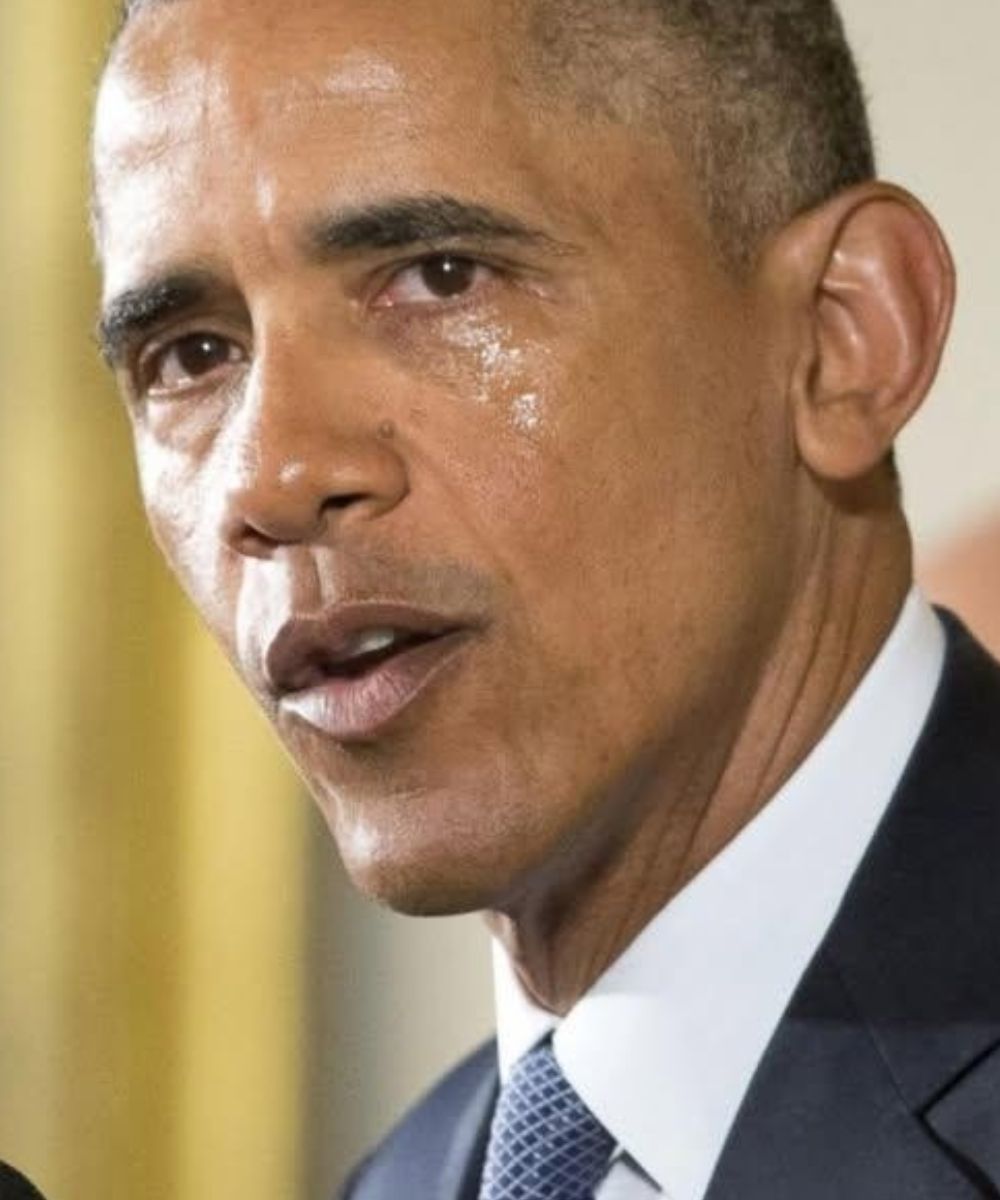
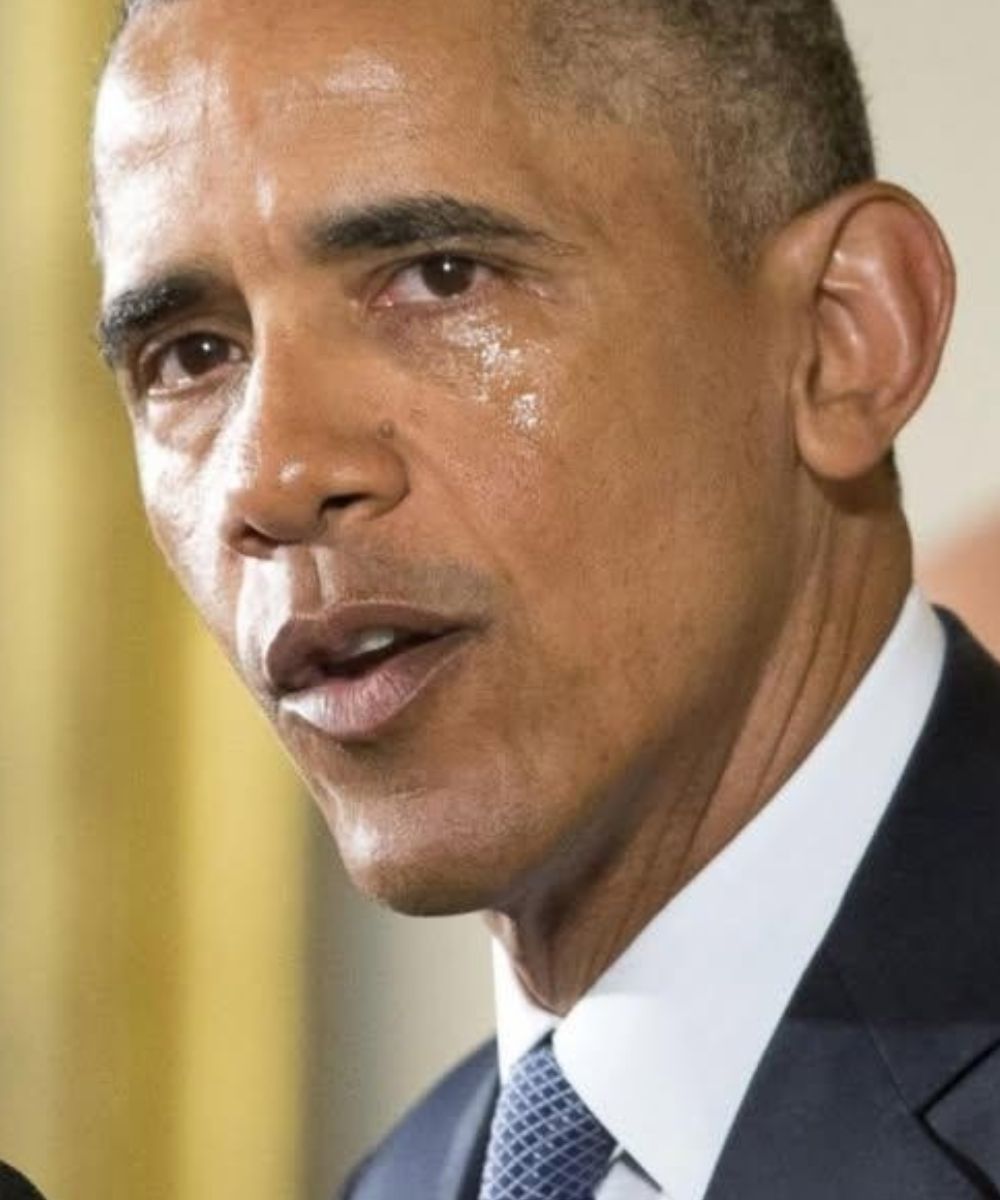
Former President Barack Obama has sparked an intense round of discussion after saying that supporting Donald Trump represents a “disrespect for democracy.” The comment, delivered during a recent public appearance, spread quickly and drew strong responses across the political spectrum. Many applauded the warning as a defense of core American values, while others objected that it dismisses the choices and concerns of millions of voters.
For many people who have watched decades of campaign cycles and changing political winds, the exchange feels both new and familiar. The language is sharper, the pace of reaction is faster, but the underlying argument is an old one: what does it take to sustain a healthy democracy, and where is the line between robust debate and damaging behavior? Obama’s words arrive in a moment when tempers are high, trust is low, and every public statement is measured for what it signals about the direction of the country.
At the center of the conversation is a clear concern from the former president about the guardrails of American self-government. He has long argued that democracy is more than tallying votes. It requires accepting legitimate outcomes, respecting the rule of law, and preserving the reliability of the institutions that settle disputes. In his view, when a leader questions those foundations or encourages people to doubt them without credible evidence, the system itself becomes weaker. For those who agree with him, publicly backing that approach looks less like ordinary political preference and more like a risk to the norms that sustain civic life.
Obama’s critics counter that in a democracy, supporting the candidate who best reflects a person’s values and priorities is not only allowed, it is the point of the process. To them, his words sound like an elite scolding delivered to ordinary citizens. They argue that skepticism of institutions can be healthy, that frustration is often earned, and that one person’s view of what protects democracy may be another’s view of what stifles it.
However one reads his remark, it illustrates a reality that many Americans over 45 recognize from experience: our politics has grown more personal, more urgent, and louder. Statements from prominent leaders quickly harden into symbols of who is “for” or “against” America’s future. The country has been through tense seasons before, and each time, the path forward has depended on both leaders and citizens choosing to steady the ship rather than rock it further.
What Obama appears to be warning about
Obama’s concern builds on themes he has emphasized for years. A functioning democracy expects winners to govern responsibly and losers to concede honorably. It expects courts to weigh disputes without fear or favor. It expects law enforcement to protect the public and the process, not personalities or parties. And it expects citizens, including influential voices, to treat facts and evidence as the basis for debate. When any of those expectations fall away, the system still stands, but it stands shakier.
After the 2020 election, then-President Trump disputed the results, and many of his supporters did as well. Dozens of court challenges failed to change the outcome. Election officials—some Republicans, some Democrats—certified the results under intense scrutiny. The turmoil that followed, including the violent breach of the U.S. Capitol on January 6, 2021, became a lasting symbol of how fragile norms can be when political passion overwhelms process. For Obama and those who share his view, these events are not just history; they are warnings about what happens when respect for institutions yields to mistrust and anger.
Seen through that lens, Obama’s latest comment sounds like a plea to treat small cracks in the system as serious issues before they grow. He is arguing about behavior and standards more than about any single policy. In his framing, supporting a leader who repeatedly tries to delegitimize elections, courts, or independent media encourages more of the same. The worry is not simply that a candidate has sharp elbows, but that the elbows are pointed at the pillars that hold up the building.
At the same time, every voter’s decision reflects a mix of concerns, not a single issue. Many Americans who favor Trump do so for reasons unrelated to election disputes. They cite the economy, border security, inflation, foreign policy posture, judicial appointments, or a belief that his leadership style better matches the challenges of the moment. People are rarely voting for a complete personality or every comment a politician has made. They are choosing among imperfect options in an imperfect world and balancing what matters most to them.
There is therefore a tension built into Obama’s argument. He is pressing a high standard for democratic conduct while millions of voters are weighing a broader set of priorities. That tension is not new. In different eras, leaders in both parties have faced accusations of breaking norms or stretching rules, and their supporters have defended them primarily on outcomes rather than methods. The question today is whether the methods themselves have become too central to ignore.
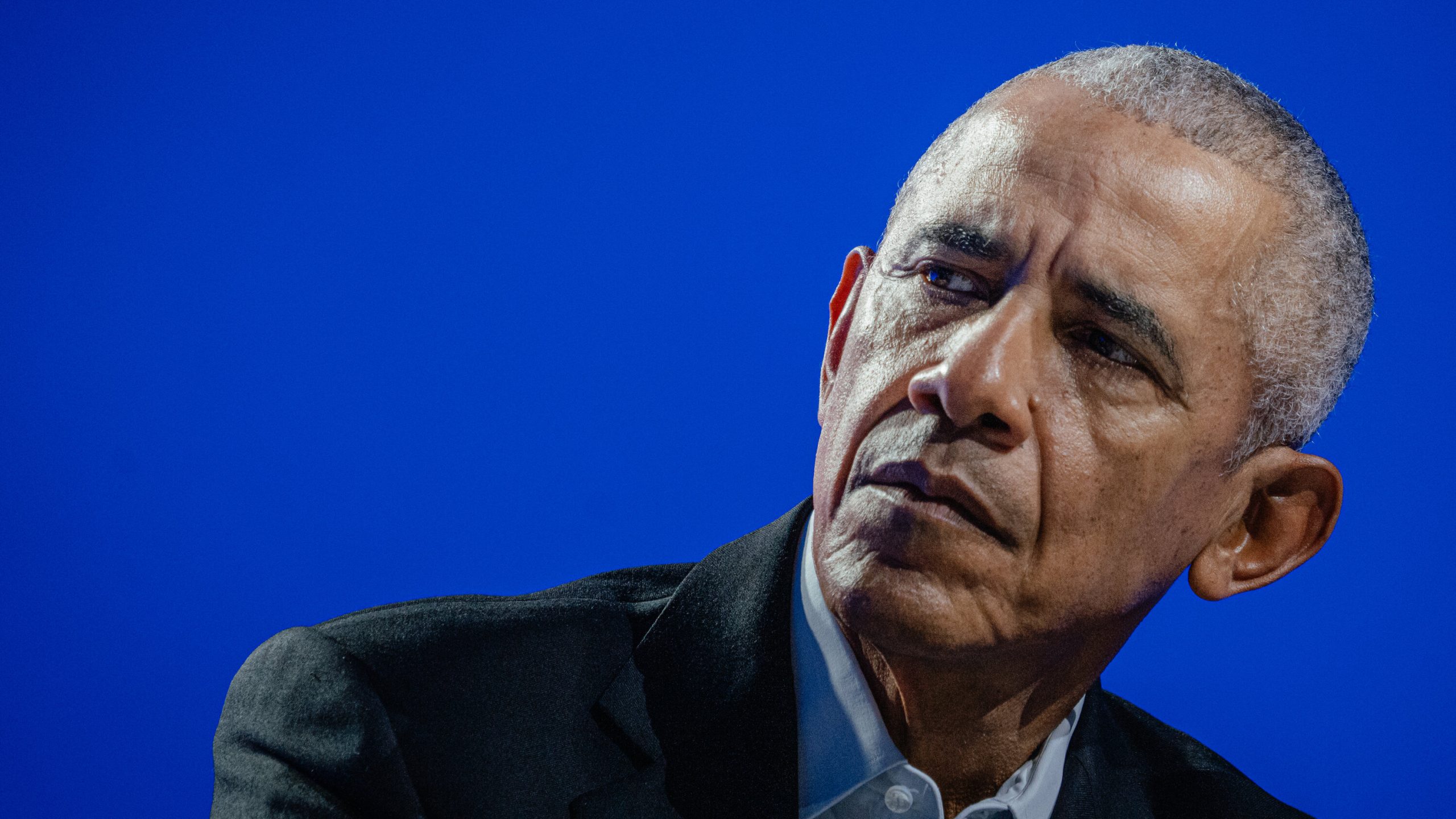
How many Trump supporters are hearing this
For many who back Trump, Obama’s statement lands as a dismissal rather than a defense of democracy. They hear a message that says, in effect, “If you disagree with my view of the institutions, you don’t respect the country.” That interpretation touches a nerve, especially for people who feel that major institutions—media companies, tech platforms, universities, large corporations, and even parts of government—have not listened to them or treated their concerns fairly in recent years.
Some point to the rush of stories, commentary, and policy moves during and after the 2016 election that, in their view, stacked the deck against their candidate and, by extension, against them. Others reference how pandemic rules, social media moderation decisions, and the long fight over the Russia investigations felt to them like proof that insiders play by different rules. To these voters, a sharp critique of institutional behavior is not a rejection of democracy; it is a call to make the system live up to its ideals.
There is also a long American tradition of arguing that deep reforms often begin with pointed criticism. Many conservatives and independents say that questioning federal agencies, public health decisions, or media narratives is well within the boundaries of civic life. They note that protest, whistleblowing, and political pushback are not the same as tearing down the republic. In this reading, support for Trump is a way to force change, not to reject the concept of lawful, ordered self-government.
This is why Obama’s statement is both powerful and polarizing. It reflects an honest fear that the fabric of the system can fray if leaders encourage suspicion of rules and referees. It also brushes against the equally honest conviction that parts of the system sometimes need strong medicine to work as promised. When both of those instincts collide, citizens who share the same love of country can come away feeling accused or unheard.
Why the word “democracy” carries so much weight
Democracy is not a neutral word. It is a source of pride, identity, and belonging. Many Americans grew up pledging allegiance, voting in their first local election, or watching a peaceful transfer of power and feeling the thrill of ownership in the process. Because of that, each side of our modern divide tends to treat the term as both shield and standard.
People who share Obama’s view often emphasize the rules of the road: count all the votes, respect the referees, accept the results, and abide by the law. They see the January 6 attack, ongoing claims of stolen elections, and attacks on the press as threats to the core habits that keep competition fair and outcomes legitimate. In their eyes, failing to challenge those threats amounts to looking the other way while the floor gives out beneath our feet.
Trump’s supporters highlight a different danger. They point to what they consider unaccountable power among bureaucracies, selective enforcement, biased coverage, and a culture that punishes dissent. From that perspective, the greatest threat to democracy is not a loud candidate but institutions that treat certain viewpoints as beyond the pale. In their view, asking hard questions of authorities is the very opposite of disrespect—it is the obligation of a free people.
Both instincts can exist at once. A society needs trusted rules, and it also needs the freedom to challenge power. The art of self-government lies in keeping those instincts in balance, especially when the temperature rises. Political rhetoric, amplified by social media, often shoves them out of balance by rewarding outrage, turning disagreements into moral showdowns, and shrinking the space for patient discussion.
Lessons from other tense moments in American life
Older Americans have lived through several political storms that tested institutions and trust. In the late 1960s and early 1970s, the country faced protests, political violence, and the Watergate scandal. The nation endured impeachment inquiries, a presidential resignation, and reforms meant to strengthen oversight. In 2000, the razor-thin election between George W. Bush and Al Gore went to the Supreme Court, and the concession—disputed by many—still stands as a significant moment of institutional stress and acceptance.
These episodes do not map neatly onto the present, but they offer perspective. In each case, the country ultimately stepped back from the edge because key players accepted the legitimacy of rules they did not always like. Courts issued rulings. Leaders conceded outcomes they believed were unfair. Citizens moved forward, often uneasily. Adjustments followed, and the system tried to improve. The lesson is not that everything works perfectly, but that the habits of restraint and lawful resolution are the anchors in rough seas.
Obama’s comment, then, can be read as an appeal to those anchors. His critics, meanwhile, see it as overlooking the moments when institutions have failed people or used their power unwisely. The friction between these readings is a sign that our arguments are not only about candidates, but about how we decide what is true, what is fair, and who gets to say so.
The 2024 context and why this debate matters now
The coming election will shape policy on the economy, immigration, health care costs, courts, and America’s role in the world. It will also test whether the country can lower the emotional volume enough to accept outcomes and keep faith in the process. Both major campaigns are already defining the contest in sweeping terms. One stresses the need to guard democratic institutions and restore a sense of normal order. The other stresses the need to challenge entrenched power and pursue bold changes where they believe the system has failed ordinary people.
That clash of visions explains why a single sentence from a former president can spark days of conversation. It is not just about a candidate. It is about who decides what is legitimate, and according to which standards. It is about the memory of recent years, the images many cannot shake, the feeling that something fundamental is being decided not just in policy but in the unwritten rules of political life.
Another factor is how quickly messages travel. A short video clip can be shared millions of times before a fuller context catches up. Supporters and opponents often see different edits of the same moment. By the time clarifications arrive, opinions have already set. That speed encourages leaders to speak in sharper terms, and it encourages audiences to hear the worst in their opponents. None of that helps with the kind of trust that democratic life requires.
Alongside all this, public confidence in institutions has dropped across the board in recent years. Surveys regularly show declining trust in Congress, media, large corporations, and sometimes even local schools or city governments. In that climate, any argument that leans on trusting the system will land differently than it did a generation ago. It must be earned anew, often through transparency, accountability, and results people can see in their own lives.
Reading Obama’s statement with charity, and its critics with care
Charitably read, Obama is trying to mark a bright line around practices that he believes pull at the threads of the republic: refusing to accept certified results, undermining the independence of the courts or law enforcement, and encouraging citizens to doubt the system without credible proof. He is urging Americans to treat these as red lines rather than normal partisan fighting.
Charitably read, his critics are defending something precious too: the right of citizens to choose leaders who will disrupt institutions they see as unresponsive, and to challenge authority vigorously when they believe it is being misused. They are saying that criticism of power—be it in media, tech, or government—is a civic duty, not a sign of disloyalty.
Those two instincts collide in complicated ways. The question is less about who loves the country and more about how we hold it together when our definitions of “protecting democracy” differ. Reasonable people will disagree on where to draw the line. That disagreement does not have to break the community. In moments like this, how we talk about the disagreement matters almost as much as the disagreement itself.
What this means for everyday conversations
Politics does not live only on television or in headlines. It lives at dinner tables, on neighborhood walks, and in the quiet decisions people make about when to speak and when to listen. For families, friends, and coworkers who see the world differently, the path through moments like this is less about winning an argument and more about preserving the relationship while stating convictions plainly.
It can help to ask what each person is trying to protect. For some, it is the standards and procedures that make the system fair. For others, it is the freedom to challenge authorities who seem insulated from consequences. Naming those aims can take the temperature down. So can remembering that most citizens are not political professionals. They are people trying to keep their families safe, pay their bills, and make sense of a world that changes quickly.
There is also comfort in historical perspective. The country has faced shouting matches before. It has seen intense campaigns, disputed results, and leaders who tested boundaries. It has also seen people of good will help repair trust afterward. The better angels of our nature do not speak as loudly as the nightly fireworks, but they are still there, and they have not stopped working.
The bottom line
Obama’s claim that supporting Trump shows “disrespect for democracy” will continue to energize some Americans and anger others. It lands at a time when faith in institutions feels fragile and the stakes of politics feel personal. To some, it is a needed stand for the rules that keep the system honest. To others, it sounds like a rebuke of citizens exercising the very right those rules protect.
Democracy asks a lot of us. It asks leaders to show restraint when power tempts them to overreach. It asks institutions to be transparent and accountable so that trust is deserved, not demanded. And it asks citizens to keep caring about truth, to accept lawful outcomes, and to argue hard without breaking what we all share.
We have walked this line before, and we will walk it again. The measure of this moment will not be whether everyone agrees about a single sentence in a single speech. It will be whether, after the election season ends, the country can still do the ordinary work of self-government with patience and good faith. However strongly people feel about their candidates, the habits that carry us from one campaign to the next—acceptance of results, peaceful transitions, and a shared commitment to the rules of the road—remain the surest path to a future we can still recognize.