Before Rod Stewart Spoke, Others Had Already Stirred the Conversation
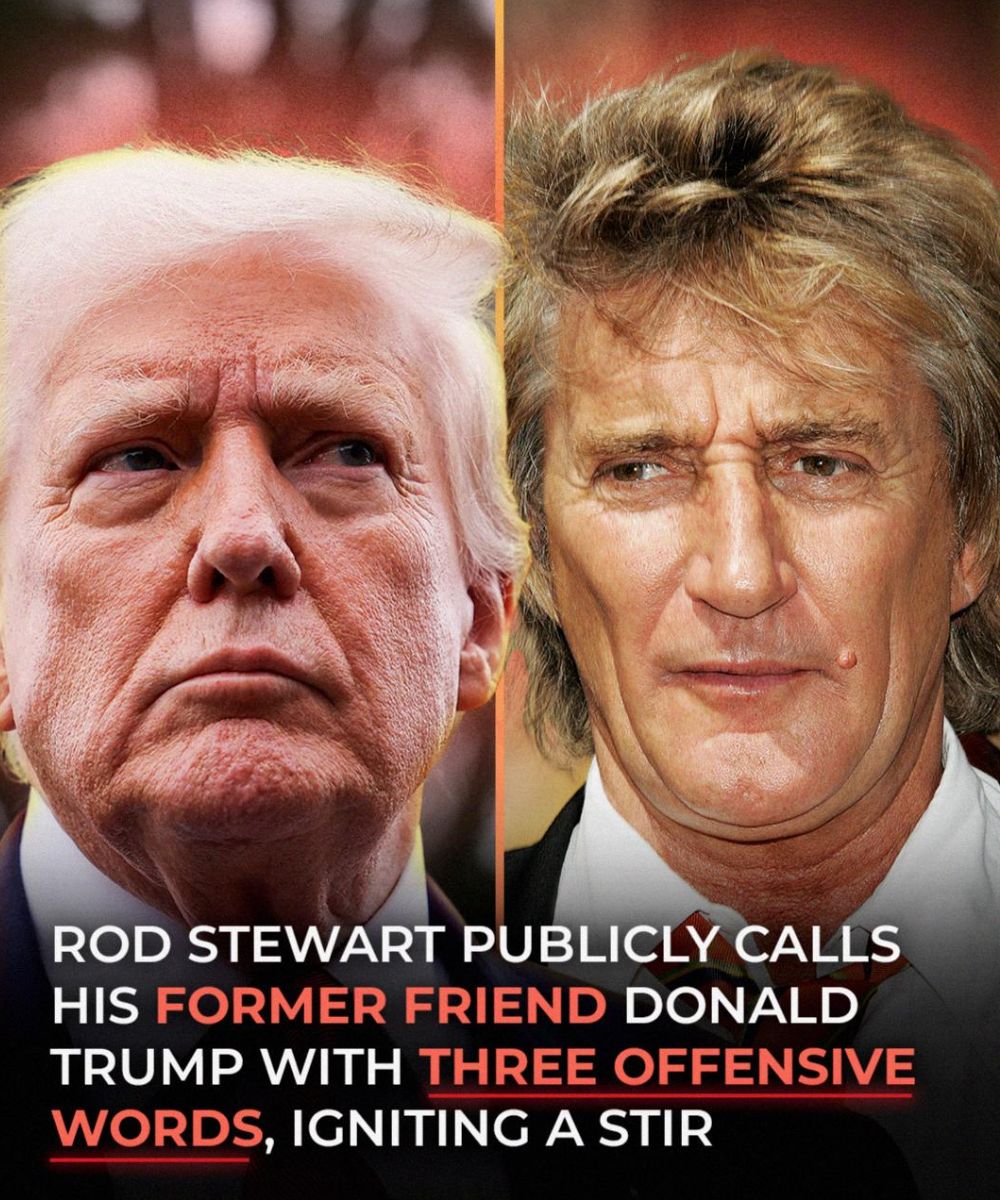
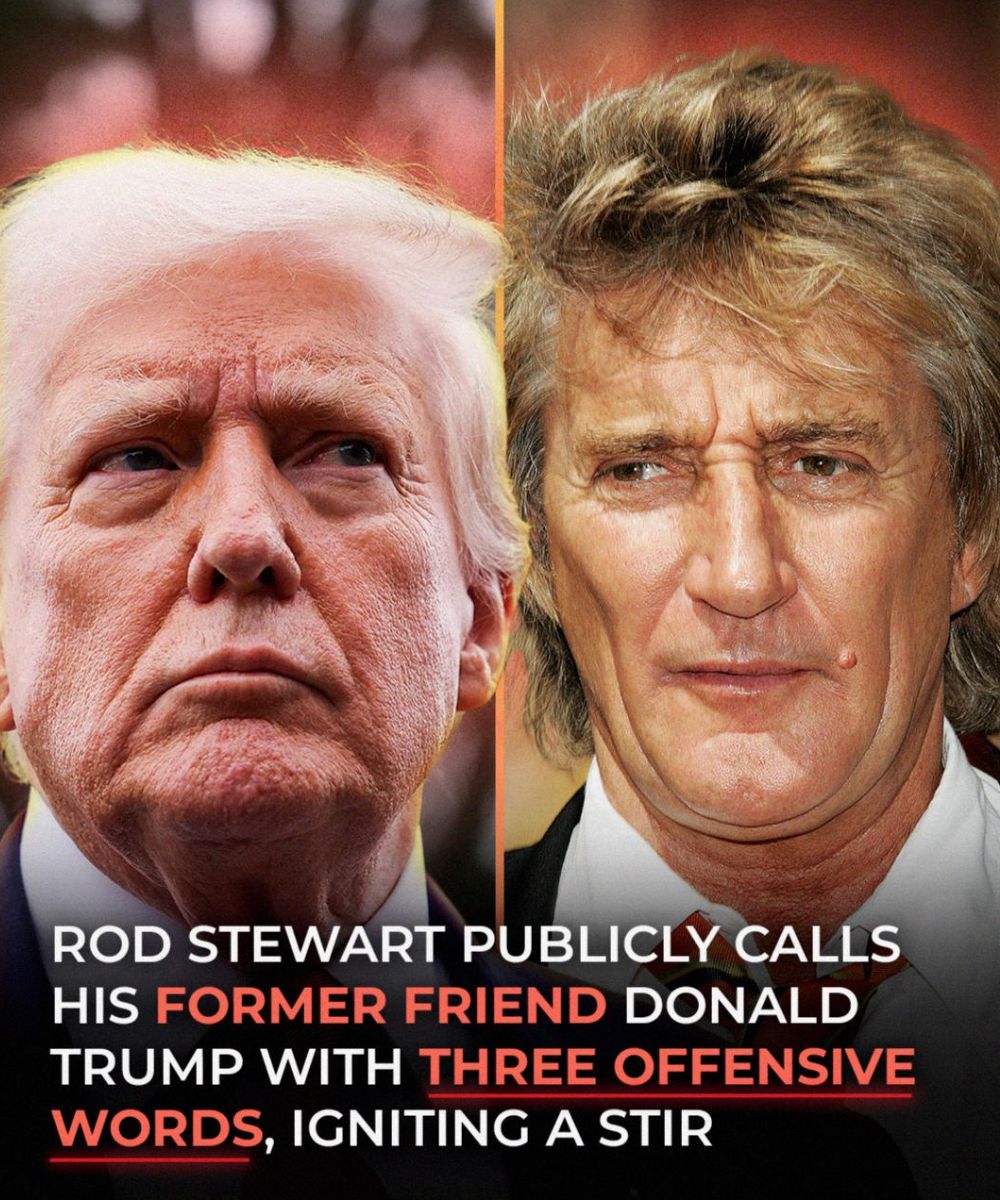
Long before Rod Stewart’s off-the-cuff remark became the internet’s newest point of discussion, well-known entertainers were already weighing in on American politics and Donald Trump. In May 2025, two of the biggest names in music and film—Bruce Springsteen and Robert De Niro—made headlines for their own pointed comments. Their words traveled quickly online, drawing praise, criticism, and plenty of debate. By the time Stewart offered his brief but striking aside, the stage for celebrity remarks on politics had already been set.
For many people who grew up with these artists, it can be surprising to see familiar performers speak so directly about public life. Yet the past few years have shown how entertainers often use their platforms to express concern about issues they care deeply about. Some fans appreciate the candor. Others wish the music and movies would stay separate from political talk. Either way, when figures of this stature speak, audiences tend to listen—and respond.
Bruce Springsteen’s Message in Manchester
On May 14, 2025, Bruce Springsteen addressed the crowd at a concert in Manchester, England, at the start of his “Land of Hope and Dreams” tour with the E Street Band. Over the decades, Springsteen has often written about ordinary Americans, hope, and the ideals of freedom. In Manchester, he revisited those themes while sharing his worry about the direction of the country under Donald Trump’s leadership. He described the administration as harmful and corrupt in his view and urged people who value free institutions to stand up for them.
Springsteen’s remarks were direct and emotional, reflecting the same passion that has marked much of his songwriting. To those who admire him, the comments sounded like a natural extension of the values found in his music. To his critics, speaking on foreign soil about an American president felt inappropriate. The result was a familiar modern scene: a few sentences delivered to a live audience echoing across social media and cable news within hours.
Why Springsteen’s Words Resonated With Many—and Upset Others
What made Springsteen’s message especially notable was his call to defend democratic norms and to resist what he viewed as creeping authoritarianism. He framed the issue not as one party against another, but as a matter of safeguarding long-standing principles like the rule of law and the peaceful transfer of power. Supporters applauded the clarity and saw courage in his willingness to say it out loud. Detractors, however, felt he crossed a line, arguing that performers should avoid political statements during shows, especially when appearing abroad.
These competing reactions highlight how deeply personal and polarizing politics has become. The same sentence can be heard as either a rallying cry or an insult, depending on the listener’s perspective. And when the speaker is a world-famous musician whose songs people tie to their own memories, emotions can run especially high. The conversation morphed into something bigger than a single performance—it became another chapter in the ongoing discussion about the role artists should play in public life.
His Earlier Stance During the 2024 Election
Springsteen’s position in 2025 did not appear out of the blue. During the 2024 campaign, he publicly supported Kamala Harris and Tim Walz, saying they represented a more inclusive vision for the country. Just as clearly, he criticized Trump and JD Vance, arguing that their approach to bedrock civic principles made them, in his view, the wrong choice. Agree or disagree, his position was consistent: he spoke about values—democracy, constitutional respect, and lawful transitions of power—that he believes are essential.
Although Trump Ultimately Won, The Debate Rolled On
Despite Springsteen’s stance, Trump won the election. Even so, the singer’s concern did not fade. He continued to encourage Americans to think carefully about the set of values that once felt widely shared, even among people who voted differently. In interviews and onstage remarks, he returned to a theme familiar to anyone who has followed his career: that the country works best when people fight not against each other, but for the ideals they hold in common.
That point—about common ground—resonates with many people who came of age in an era when neighbors could disagree without becoming enemies. For listeners in their fifties and sixties, this nod to civic respect can feel like a reminder of a time when political differences did not always end friendships or split families. Springsteen’s hope, at least as his words suggested, was to rekindle that spirit even in a bruising climate.
Robert De Niro’s Cannes Speech and Why It Mattered
A day earlier, on May 13, 2025, actor Robert De Niro accepted an honorary Palme d’Or for lifetime achievement at the Cannes Film Festival. Instead of keeping his remarks limited to film, he spoke about democracy and the role of the arts. De Niro said that creativity and free expression can make life uncomfortable for would-be authoritarians. In his view, that is precisely why art matters: it challenges power, asks tough questions, and helps people imagine something better.
De Niro also criticized what he saw as political interference or neglect in cultural institutions, such as the arts, humanities, education, and film. He placed the moment in a global context, urging people everywhere to speak up peacefully, organize thoughtfully, and vote when it is time. As with Springsteen, the reaction split quickly between those who felt inspired and those who felt irritated. The pattern was clear: whenever famous voices step into political territory, reactions tend to arrive in equal and opposite waves.
What Viewers Heard—and How They Reacted
For supporters, De Niro’s Cannes speech sounded like a defense of the creative spirit and a reminder that movies, plays, and books have always played a role in democratic societies. For critics, it seemed like an unnecessary lecture during a celebration of art. But even those who disagreed with his tone acknowledged that he used a major stage to highlight the connection between cultural life and civic life, a link older audiences may recall from earlier eras when artists regularly engaged in public debates about war, civil rights, or social change.
Then Rod Stewart Entered the Conversation in a Very Different Setting
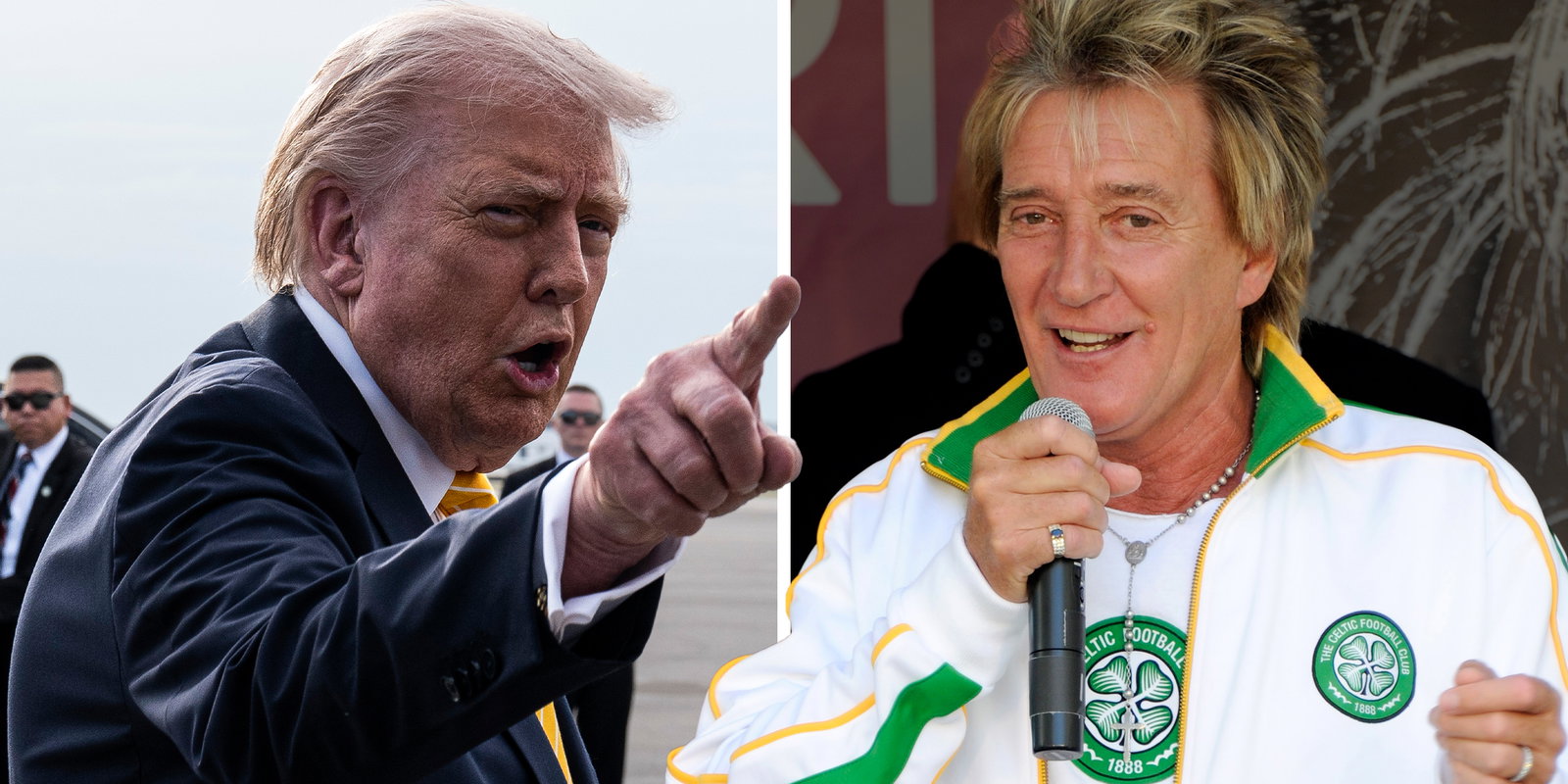
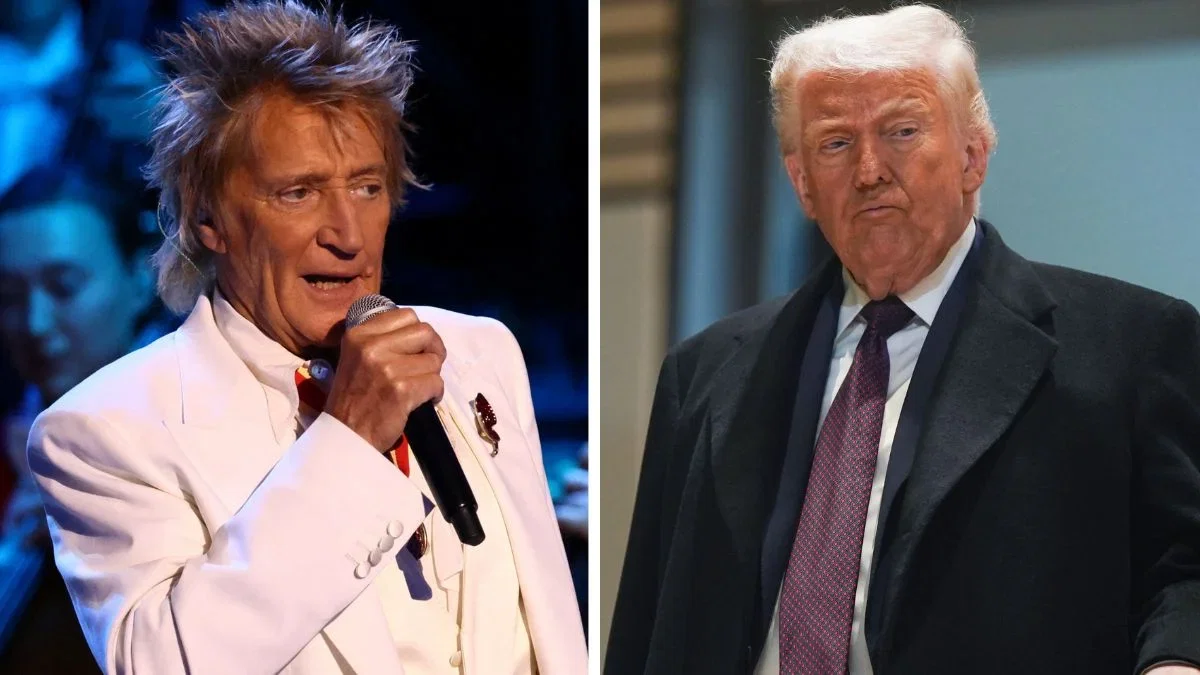
On May 11, 2026, Rod Stewart found himself in a setting very unlike a rock concert or a film festival podium. At the Royal Albert Hall in London, he greeted King Charles III during A King’s Trust 50th Anniversary Celebration. Stewart was there alongside fellow rock legend Ronnie Wood. What followed was brief, informal, and unscripted—yet it traveled the world in a matter of hours.
In a short exchange captured on video, Stewart shook hands with the King, made a complimentary remark about how the monarch had handled matters related to the Americas, and then added a sharp jab aimed at Donald Trump. The moment was polite on the surface but carried a clear sting, and because of the dignified setting, it landed with extra force online. People were intrigued not only by what was said, but by the fact that it was said face-to-face with the King, with Ronnie Wood standing nearby.
A Brief Glimpse, A Big Reaction
Clips of the greeting spread quickly across social media. A longer version showed Stewart, King Charles, and Ronnie Wood chatting calmly afterward, as though nothing especially remarkable had happened. That contrast—between the calm demeanor in the room and the storm of comments online—added to the fascination. Viewers rewound, replayed, and analyzed body language, the smiles, and the timing of the words, as if examining a scene from a movie frame by frame.
Part of the reason the moment felt so striking is that royal events are typically careful, formal, and nonpolitical in tone. Royal greetings usually don’t become viral talking points. So when Stewart’s aside included a pointed remark about an American political figure, it created a jolt. It left some people amused and others uncomfortable, especially those who feel that interactions with members of the Royal Family should avoid political heat.
Why The Setting Made Stewart’s Remark So Memorable
Context matters. The Royal Albert Hall is one of the most storied venues in the world. A King’s Trust celebration honors charitable work, service, and tradition. In that environment, a casual political aside stands out. Even if delivered with a light touch, it can color how the whole exchange is remembered. Had Stewart said the same words backstage at a rock show, they likely would have caused far less stir.
There is also the symbolism of speaking to King Charles III, a figure expected to remain carefully neutral in public matters. Whether one felt Stewart’s remark was cheeky good fun or an awkward breach of protocol, the presence of the King gave the moment added weight. For many viewers, the snapshot of Stewart smiling, Ronnie Wood at his shoulder, and the King listening attentively became the picture that summed up the entire story.
What People Said Online
Reactions poured in from all directions. Some viewers laughed and said Stewart, a veteran rocker with decades of success, had earned the right to say exactly what he thinks. Others argued that his words risked placing the King in an uncomfortable spot. There were also those who linked Stewart’s remark with the comments made by Springsteen and De Niro, seeing all three as part of a broader wave of entertainers voicing concerns about Trump and the state of democracy.
The discussion highlighted a truth of the digital era: a single sentence, especially one delivered in an unexpected place, can launch days of debate. Some people praised Stewart’s candor; others bristled at the timing. In the end, what people took from the clip often said as much about their own views as it did about Stewart’s.
How This Fits a Longer History of Musicians Speaking Up
For older audiences, it may be helpful to remember that musicians and actors have waded into political waters for generations. From folk singers of the 1960s to rock stars of later decades, entertainers have used their stage microphones to talk about wars, elections, civil rights, and social change. Sometimes the results were unifying. Other times, they were polarizing. The thread connecting all these cases is the unique power famous people have to draw attention to what they say—whether audiences agree or not.
Springsteen’s Manchester remarks, De Niro’s Cannes speech, and Stewart’s royal aside are three versions of the same story told in different places. One happened in front of concertgoers enjoying beloved songs. Another unfolded at a film festival honoring a long career. The last arrived in a historic London hall during a celebration of service and charity. Each setting shaped the reaction, but the core theme remained: these public figures felt compelled to speak about the direction of civic life.
Why These Moments Linger
What makes these short moments endure is the mixture of personality, place, and timing. Springsteen’s decades-long image as a voice for working people gave his political statements a familiar ring that supporters found inspiring and opponents found grating. De Niro’s reputation for intensity on screen carried over to his acceptance speech, giving it dramatic punch. Stewart’s effortless charm and offhand delivery, set against the ceremonial backdrop of a royal event, turned a simple greeting into big news.
In the modern information stream, where video snippets and quotes travel at lightning speed, such moments become touchstones. People replay them, argue about them, and build wider narratives around them. That is why a few words from a musician or actor can ripple so far: in a crowded conversation, fame acts like a megaphone.
For Fans Who Prefer the Music to the Politics
Many listeners and viewers in their forties, fifties, and sixties remember when concerts and movies provided a welcome break from everyday stress. It is perfectly understandable to want entertainment to remain an escape. The challenge today is that artists increasingly feel a responsibility to comment on the world around them, especially when they think core principles are at stake. Whether one applauds or disagrees, recognizing this impulse can make it easier to understand why these statements keep happening.
It can also help to remember that an artist’s political comment does not erase the memories tied to a favorite album or film. You can still enjoy the songs that made you dance, the ballads that saw you through difficult days, and the movies that became family traditions. Opinions about politics come and go. The music and stories that helped define different stages of your life remain, and they can continue to mean something personal regardless of any headline.
What To Take Away From This Moment
Rod Stewart’s brief, pointed words drew outsized attention because they were delivered in a place where political remarks are rare, while greeting a head of state who must remain neutral, and with another rock legend beside him. The same dynamic explains why Springsteen and De Niro’s comments also traveled far: millions of people feel connected to these artists, so their opinions carry weight.
In the end, the central meaning is straightforward. A cluster of well-known performers—Bruce Springsteen, Robert De Niro, and Rod Stewart—publicly criticized Donald Trump in the span of a year, each in his own way. Their words sparked divided reactions, from applause to frustration. And yet, beyond the heat of the moment, their comments invited a familiar reflection: what values do we want to uphold together, even when we disagree? That question has no easy answer, but it is one that continues to draw the attention of artists and audiences alike.
Whether you viewed Stewart’s aside as a witty quip or an awkward breach, it undeniably became one of those small flashes that reveal something larger about our times: how quickly a casual remark can circle the globe, how hungry people are to debate public life, and how enduring the bond remains between entertainers and the generations who grew up with their work. For better or worse, that bond ensures that when stars speak, the world tends to listen—and to talk back.