
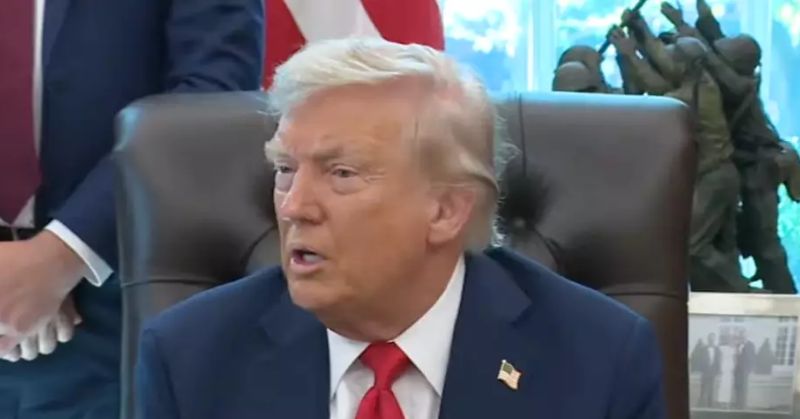
Donald Trump Faces Backlash After Comments About Baltimore
Former President Donald Trump is no stranger to controversy, often making sweeping statements about various cities across the United States. Recently, Baltimore, Maryland found itself in the spotlight as Trump labeled it a “terrible death bed” riddled with crime. Such assertions stirred significant responses, notably from Maryland’s Governor, Wes Moore.
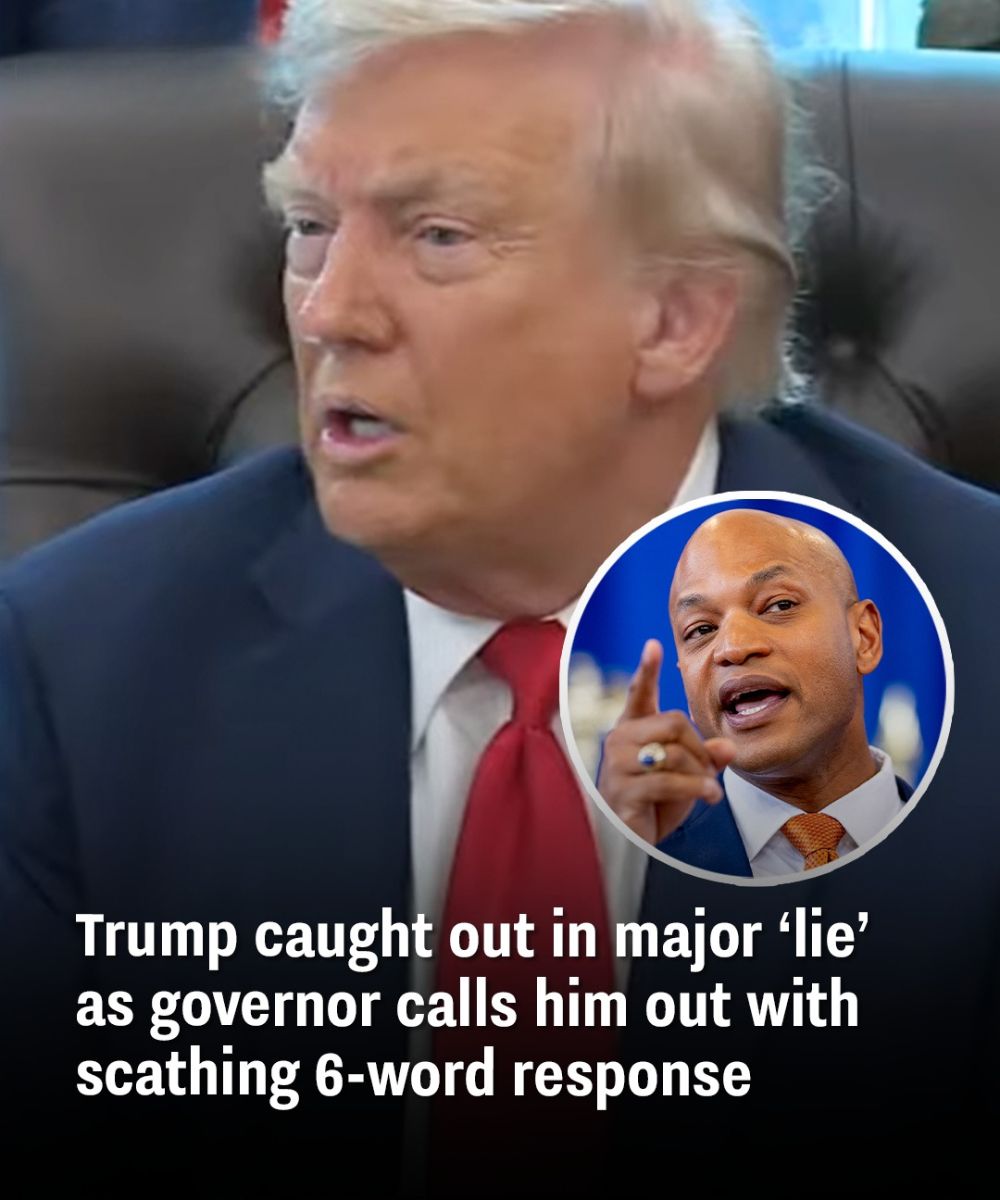
In response, Governor Moore suggested that Trump should come visit Baltimore and experience the city first-hand instead of labeling it from afar. This statement was part of a larger discourse where Moore countered Trump’s narrative, showing firm resistance to what he called a misrepresentation of his state.
The Alleged Private Conversation
Amidst the exchanges, Trump claimed that Governor Moore had privately praised him, allegedly stating to Trump that he was “the greatest president of my lifetime.” Trump recounted, “He came over to me, hugged me, shook my hand and said, ‘Sir, you’re the greatest president of my lifetime.’” However, Moore was quick to dispute this event, asserting firmly that the conversation never took place.
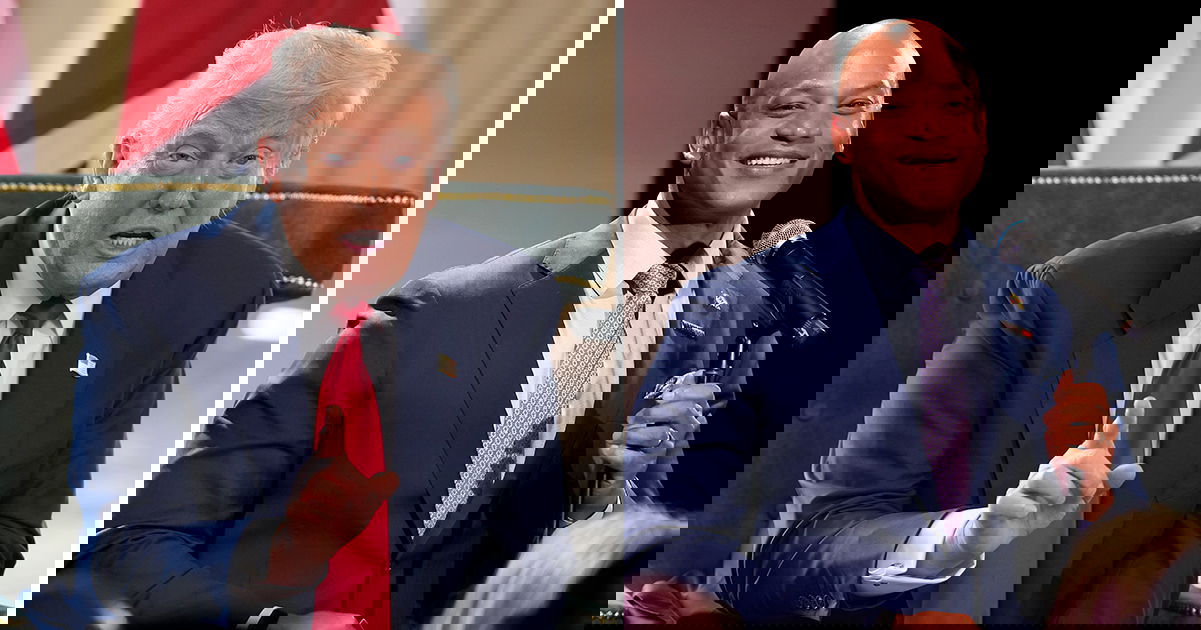
A video clip of Trump’s claim circulated widely, sparking further debate. Moore’s communicative team echoed his denial, reinforcing that while Moore and Trump did meet, the exchange described by Trump was purely fictional.
“Keep Telling Yourself That, Mr. President”
Moore maintained his stance publicly and even took a light-hearted jab on social media. His six-word retort to Trump, “Keep telling yourself that, Mr. President,” captured attention for its brevity and punch. The response quickly gained traction among media outlets and social media platforms.
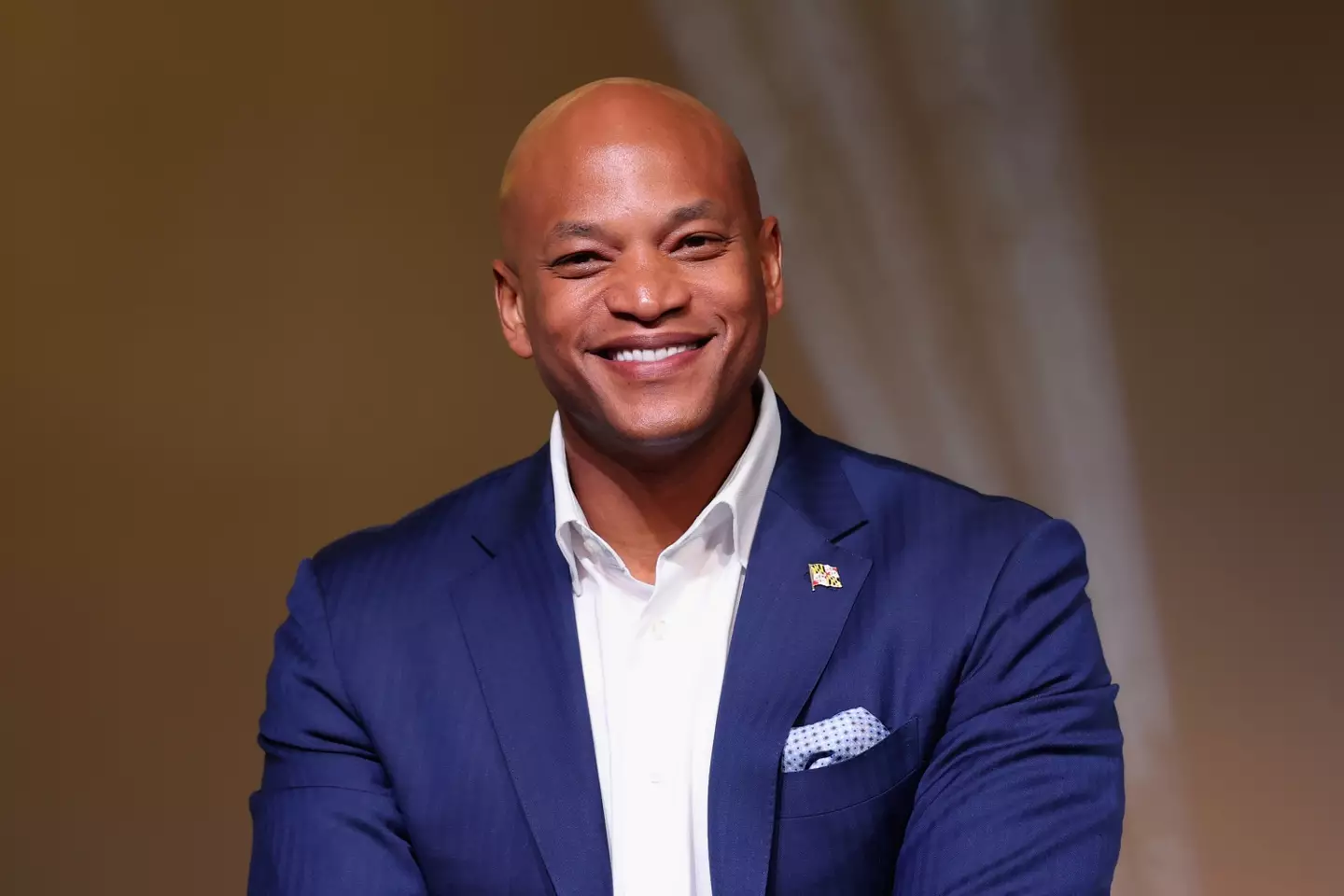
Even though Trump criticized Moore by suggesting he lacked the ability to address Maryland’s crime issues, Moore remained unfazed. While the debate marked another chapter in the ongoing political theater between Trump and Democratic leaders, it also highlighted the polarized perspectives on crime and governance.
Looking to the Political Future
Governor Moore’s name has surfaced in conversations about the 2028 Democratic presidential candidate, a potential bid he has not confirmed nor denied. Meanwhile, current Vice President JD Vance is a prominent figure in the Republican Party. In a recent interview with NBC, Vance, often seen as a successor to Trump’s policies, laughed off speculation while emphasizing a focus on current governance rather than future elections.
Vance stated, “Before we talk about anything three-and-a-half years down the road, let’s take a break from politics, focus on governing the country, and when we return to politics it’s gonna be to focus on those midterm elections.”
As the political landscape continues to evolve, these exchanges contribute to the tapestry of narratives shaping both present and future United States political discourse. It’s a testament to the vibrant yet divisive nature of modern American politics.



