A tense exchange between Washington and Berlin
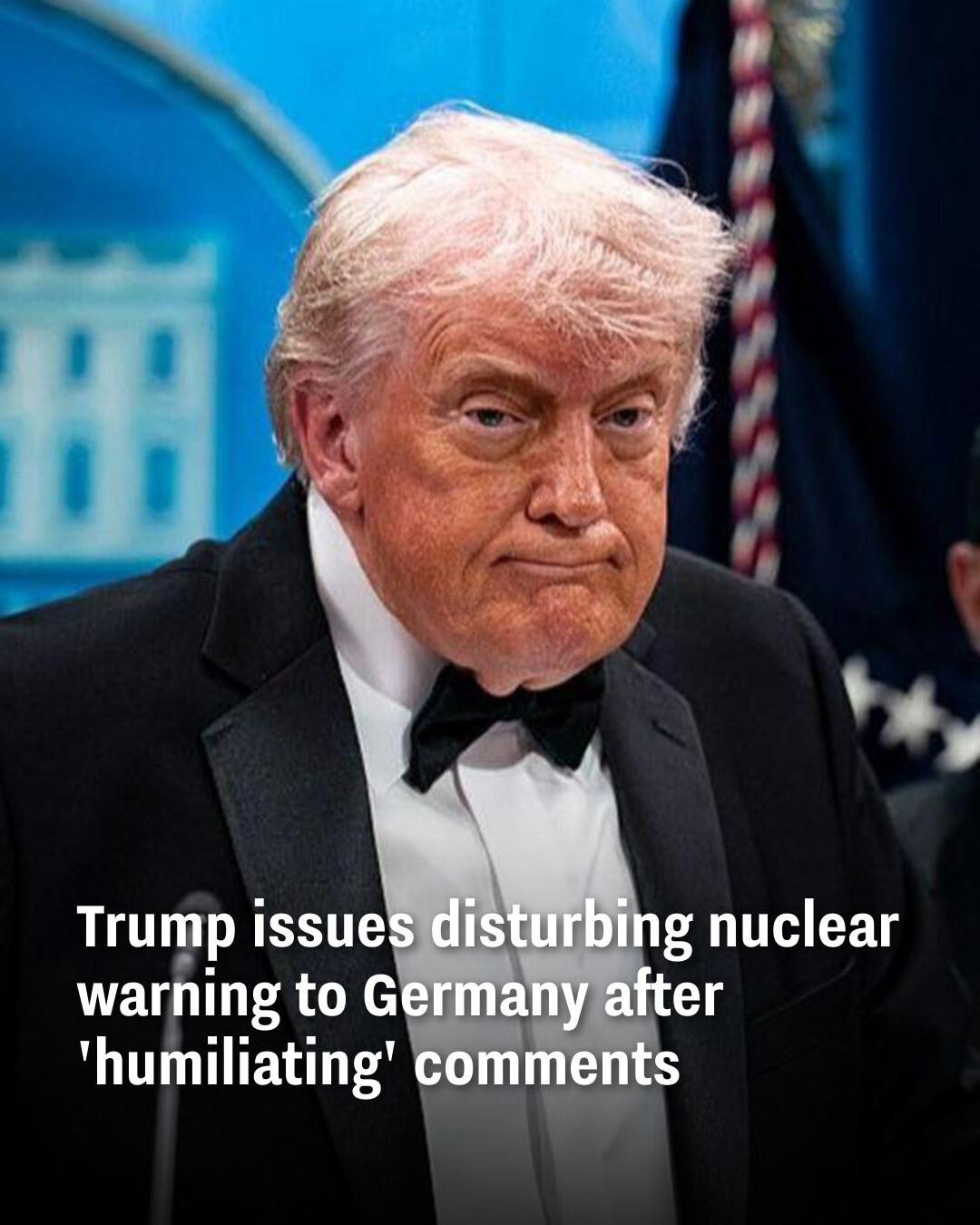
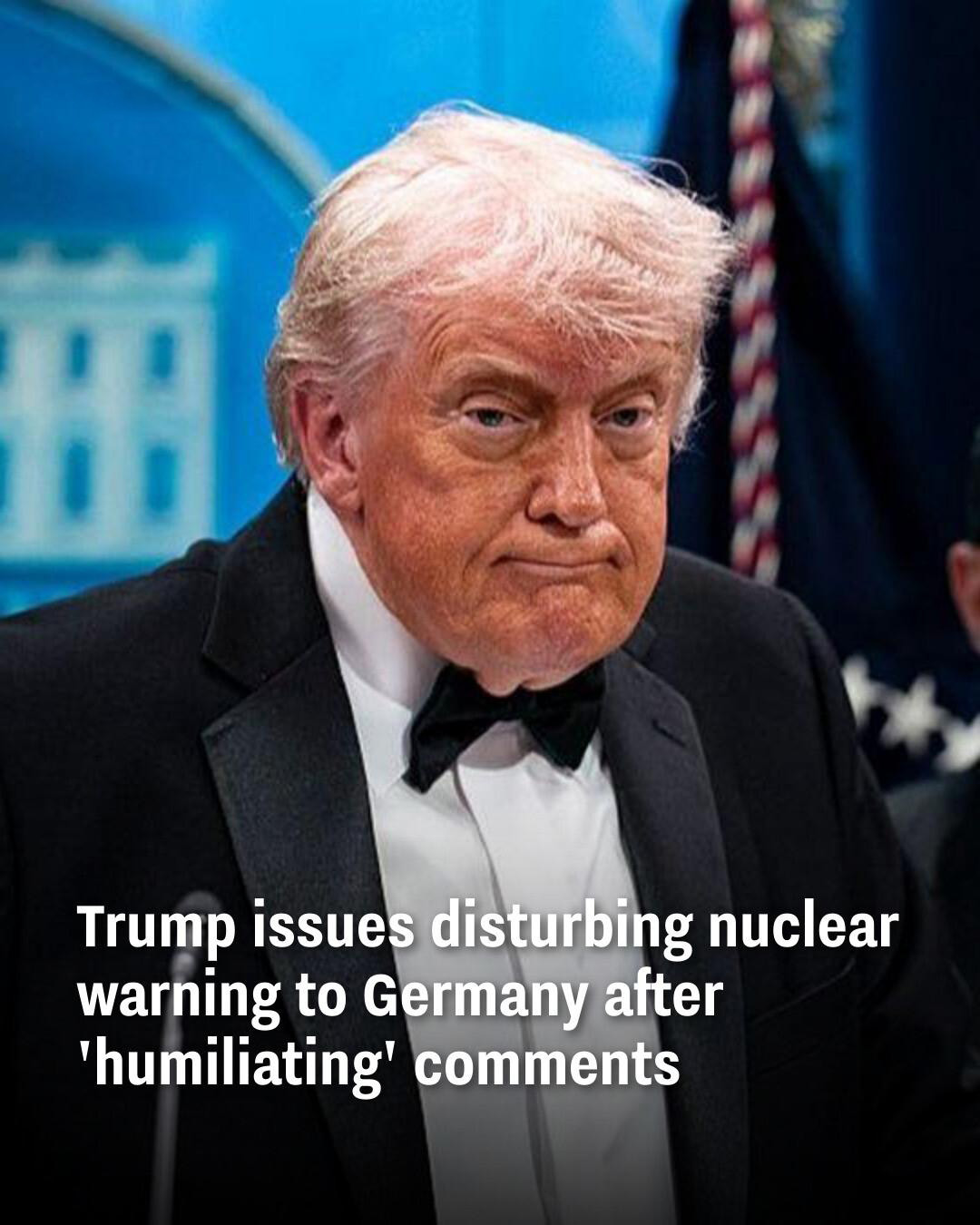
Donald Trump has issued a forceful nuclear warning to Germany after remarks by German Chancellor Friedrich Merz suggested that Iran has been humiliating the United States during the ongoing war. The back-and-forth underlines how sensitive and fragile diplomacy can be during a conflict, especially when allies disagree in public.
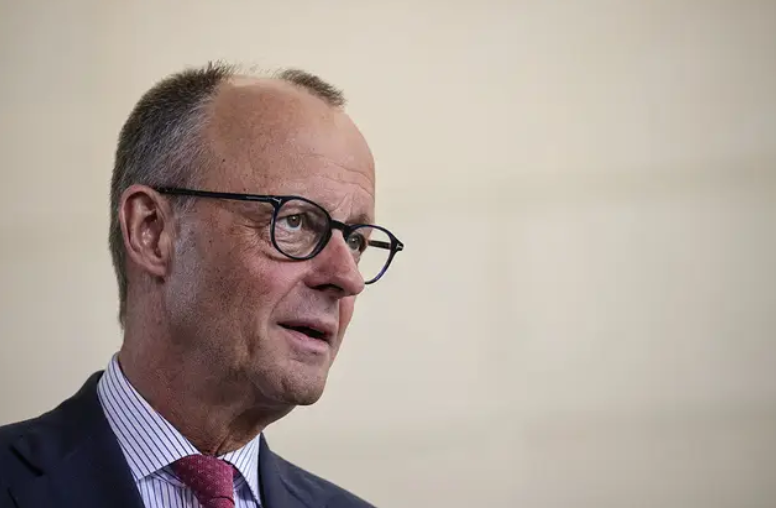
Speaking with students in the German town of Marsberg on April 27, Chancellor Merz said that Iran had been embarrassing the United States by drawing American diplomats into talks in Pakistan that did not lead to progress. He pointed to the way Iranian negotiators handled the meetings as evidence that Tehran was outmaneuvering Washington for show, rather than working toward real solutions.
Merz described the Iranians as very skilled at the art of appearing to negotiate, saying they let American officials travel to Islamabad, then watched them leave again with nothing to show for the effort. He added that the situation was demeaning for the United States, especially at the hands of Iran’s Revolutionary Guards, and expressed hope that this phase of the war would end as soon as possible.
Those comments came amid a dangerous period in the region. In February, the United States and Israel launched a joint attack on Iran. Iran responded with strikes aimed at Israel and U.S.-aligned states in the Gulf, raising the risk of a wider confrontation. Against that tense backdrop, words from national leaders carry extra weight—and can quickly echo across alliances.
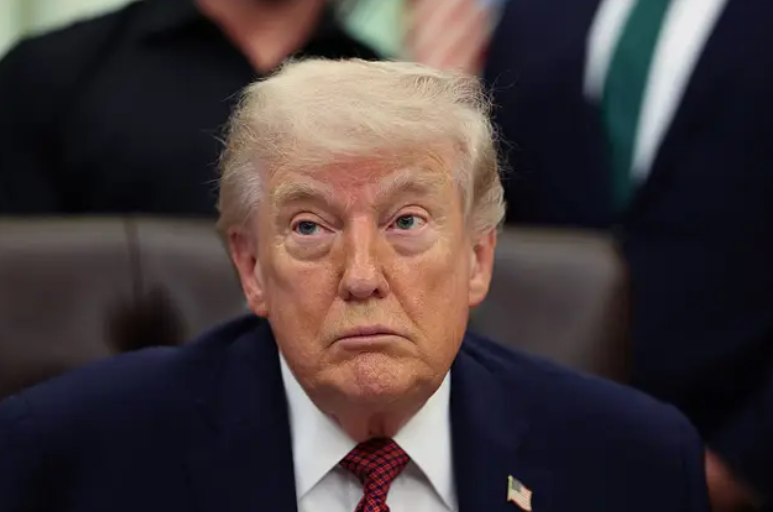
Trump, who had met with Merz at the White House in March, reacted swiftly to the chancellor’s remarks. He answered on his platform, Truth Social, pushing back on the suggestion that Washington was being outclassed or shamed. In his view, even implying that Iran could gain the upper hand in such a way sends the wrong signal at a critical moment.
He argued that it was unacceptable for any ally to downplay the dangers posed by a nuclear-armed Iran, insisting that if Tehran were to obtain such a weapon, the entire world would feel the threat. Trump framed his current approach to Iran as steps that others should have taken earlier, and he coupled his warning with criticisms of Germany’s broader performance, pointing to economic challenges and what he cast as weak resolve.
Why the dispute matters for NATO unity
The exchange lands at an especially delicate time for coordination among NATO allies. According to reports of a leaked Pentagon email, U.S. officials have been weighing how to respond to allies they believe have not been fully supportive of the war effort against Iran. Reuters reported that this internal discussion looked at possible ways to hold partners accountable in the wake of disagreements related to the conflict.
A U.S. official told the outlet that members of the administration felt let down by several countries when it came to supporting U.S. operations. The leaked email allegedly considered serious measures, including the possibility of suspending Spain from alliance activities and reviewing America’s stance on the United Kingdom’s claim to the Falkland Islands. While such ideas were described as part of internal exploration, not formal policy, their mention shows the level of frustration accompanying the diplomatic rifts.
What this episode underscores is how disagreements can spill into public view during a crisis and how quickly language can harden. For older readers who have watched decades of transatlantic cooperation, it may be jarring to see allies spar in this way. But even among close partners, differences over strategy and timing are common. Leaders face competing pressures at home while trying to show unity abroad. When words like humiliation and nuclear weapons enter the conversation, the stakes—and the emotions—both rise.
For Germany, Merz’s comments were likely aimed at signaling frustration with diplomatic dead ends. For the United States, Trump’s response appeared designed to warn not only Iran, but also allies, that Washington expects messages of firmness and solidarity. Such signaling, while blunt, is part of how governments try to shape outcomes during fast-moving events.
A royal moment when relations felt strained
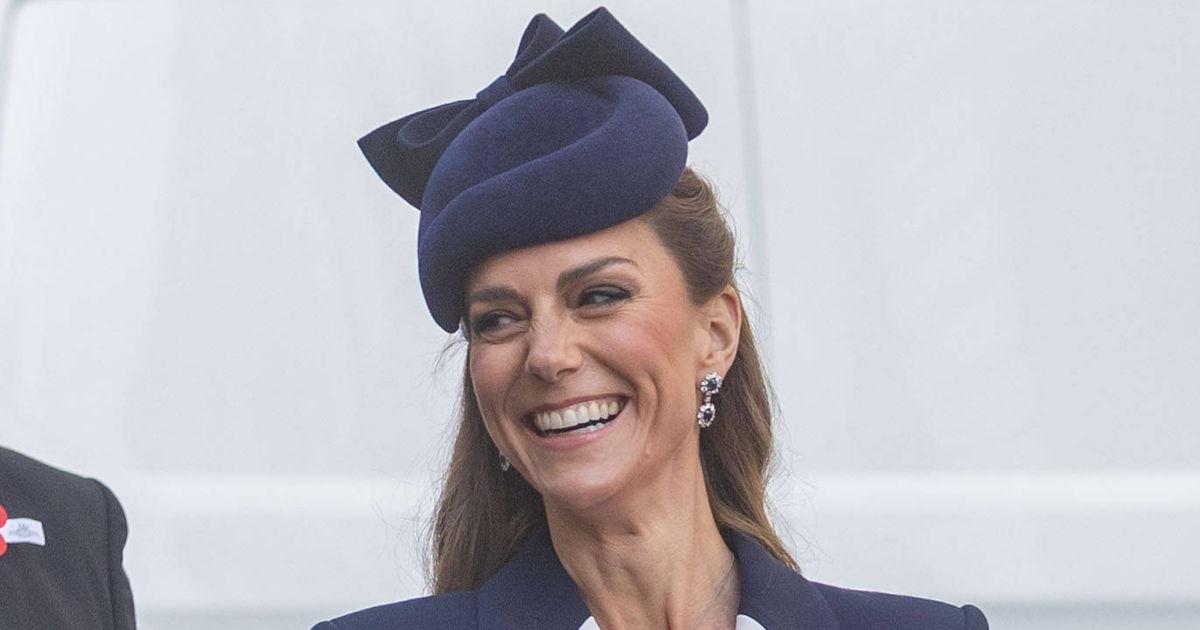
Even as tension ran high, a historic royal visit offered a softer counterpoint in the U.S.–U.K. relationship. King Charles and Queen Camilla traveled to Washington earlier this week for an official visit, which included a meeting with President Trump at the White House. The King also addressed the U.S. Congress, evoking the long friendship between the two nations.
In his speech, King Charles reminded lawmakers that, time and again, the United States and the United Kingdom have found ways to come together even when circumstances were difficult. For many observers, the royal presence helped cool anxieties at a time when the special relationship had seemed to be under unusual stress.
The visit, the first official trip by a British monarch to Washington since Queen Elizabeth II in 2007, served as a reminder that beyond immediate debates lies a deeper partnership built over generations. Ceremonial occasions do not erase policy disagreements, but they can help reframe conversations and encourage leaders to focus on shared interests.
What Merz said—and why Trump pushed back
Chancellor Merz’s criticism centered on the optics of diplomacy. He suggested that Iran was setting the stage and the tempo, leaving American officials to appear as if they were chasing talks that were never meant to bear fruit. In classroom terms, it looked like showing up prepared for a meeting only to realize the other side preferred theater to progress.
Trump’s reply zeroed in on the mention of humiliation and the sensitive issue of nuclear weapons. He argued the very idea that Iran might be permitted to get closer to a nuclear weapon is intolerable, because it would put the entire international community at risk. He portrayed his current actions as overdue corrections, saying others should have acted sooner. The contrast between the two messages—Merz’s frustration with stalled talks and Trump’s emphasis on deterrence—reveals how even allies can talk past one another when emotions run high.
For those familiar with Cold War history and the many diplomatic standoffs that followed, this moment may feel like déjà vu. Allies often debate how hard to push, when to talk, and which incentives or penalties to use. As difficult as the discussion can be, it is not unusual. The key is whether leaders can disagree without weakening the unity that adversaries expect to see.
Memorable moments from Trump’s second term that raised eyebrows
Some of the most widely discussed moments of Trump’s second term have come not from formal policy but from unexpected comments and colorful asides. Early in 2025, when asked whether he planned to deport Prince Harry amid questions about the Duke of Sussex’s immigration status, Trump said he would not. He added that he would leave Harry alone because the prince had enough problems to deal with already, taking a swipe at Meghan as he did so. The remark combined a policy answer with a personal dig—something that quickly dominated headlines.
At a meeting in the Oval Office in 2025, Ukrainian President Volodymyr Zelenskyy wore his now-familiar black long-sleeved polo with the Ukrainian trident, a symbol he has often chosen during the war rather than a formal suit. As they greeted one another, Trump quipped, “Oh look, you’re all dressed up,” a line that many found striking given the gravity of Ukraine’s fight against Russia. It was a moment that captured Trump’s instinct for off-the-cuff commentary and the way small remarks can overshadow carefully planned meetings.
Another exchange that drew attention involved Greenland. Years after the controversy over a proposed purchase of the island, Trump revisited the theme by asserting that Denmark did not have the right to Greenland, even though Greenland is a self-governing, autonomous territory within the Kingdom of Denmark and has been linked to Denmark for centuries. The statement reignited a debate about sovereignty, history, and how blunt talk from a U.S. president can be received abroad.
Trump also leaned into an old culture-war topic: plastic straws. In 2025, echoing sales of branded straws during his 2020 campaign, he criticized paper straws as unreliable, saying they dissolve and break apart. The comments played to supporters who see such rules as overreach and highlighted Trump’s habit of using familiar, everyday objects to make a point about regulation and personal choice.
One of the more controversial claims came during his March 2025 address to Congress, when Trump said the Biden administration had spent $8 million on experiments to make mice transgender. PBS later examined the assertion and found it to be false. As PBS NewsHour correspondent Laura Barrón-López explained, researchers were looking at the effects of gender-affirming hormones on conditions such as asthma and on questions related to breast cancer risk. In other words, the studies were focused on medical outcomes, not on creating what the claim suggested.
Trump also signed an executive order on his first day back in office in January 2025 to rename the Gulf of Mexico as the Gulf of America in U.S. federal materials. The change applies to federal communications and maps, not to international naming conventions. While symbolic, the move drew intense reaction, with critics calling it unnecessary and supporters framing it as a patriotic gesture. The episode showed how even a name on a map can become a national talking point when it carries a political message.
During his 2024 campaign, Trump also advocated what he called a tough, short burst of police action to drive down crime immediately. His language—describing a very rough and even violent day—reminded many of the film The Purge, which imagines a night of lawlessness. The comparison was not accidental in the public’s mind, and it sparked debate over how law enforcement should be used, what is constitutional, and where the line lies between strong rhetoric and responsible leadership.
He did not shy away from sharp personal attacks, either. On the trail in 2024, he referred to his opponent, then–Vice President Kamala Harris, in harsh terms and declared her the worst vice president. It was the kind of language that divides audiences: some cheer the bluntness; others worry it lowers the temperature of political life even further. Either way, it consistently ensured that his words would lead the evening news.
Stepping back: what older readers may want to watch
For those who have seen several American administrations come and go, it can be helpful to step back and consider the themes that run through these stories. First, tone matters. When a European leader says America is being humiliated, or when an American president warns another country not to underestimate nuclear risks, they are not only speaking to each other. They are sending signals to domestic audiences, to allies in the region, and to adversaries who are listening closely.
Second, disagreements among allies are not new. NATO partners have weathered arguments over defense budgets, regional wars, and trade. What is different today is the speed and spread of information. A single comment to students, a post on a social platform, or a leaked email can ripple across capitals within minutes, shaping headlines and the mood of entire countries. That makes careful wording more important—and more challenging—than ever.
Third, symbolism still counts. A royal visit, a military uniform, the name on a map, or even a straw can carry meaning that outlasts the initial news cycle. Symbols help people frame complex issues in everyday terms. That can bring clarity, but it can also oversimplify. The task for leaders and citizens alike is to remember the substance behind the symbol, especially when lives and alliances are at stake.
Finally, it is worth remembering that diplomacy almost never moves in a straight line. Talks stall. Tempers flare. Allies exchange sharp words and then return to the table. The measure of success is not whether every conversation is smooth but whether, over time, partners can keep their common purpose intact. As today’s conflict with Iran unfolds, that will be the test for Washington, Berlin, and the rest of the alliance.
Where this leaves the U.S., Germany, and the wider alliance
In the near term, do not be surprised if both sides try to lower the temperature. Germany will want to show it is a reliable ally while still voicing concerns about the course of the war. The United States will continue to press for unity and resolve—especially on the question of Iran’s nuclear ambitions. Behind the scenes, officials will keep working to align strategies, knowing that public unity can deter adversaries and reassure nervous partners.
For now, Trump’s warning and Merz’s critique sit side by side as markers of a difficult moment. They capture the friction of wartime diplomacy, the glare of public scrutiny, and the challenge of keeping allies in step when every word can become a headline. What comes next will depend on decisions made quietly in meeting rooms far from the cameras—and on whether leaders can balance firmness with the steady hand that long-lasting partnerships require.