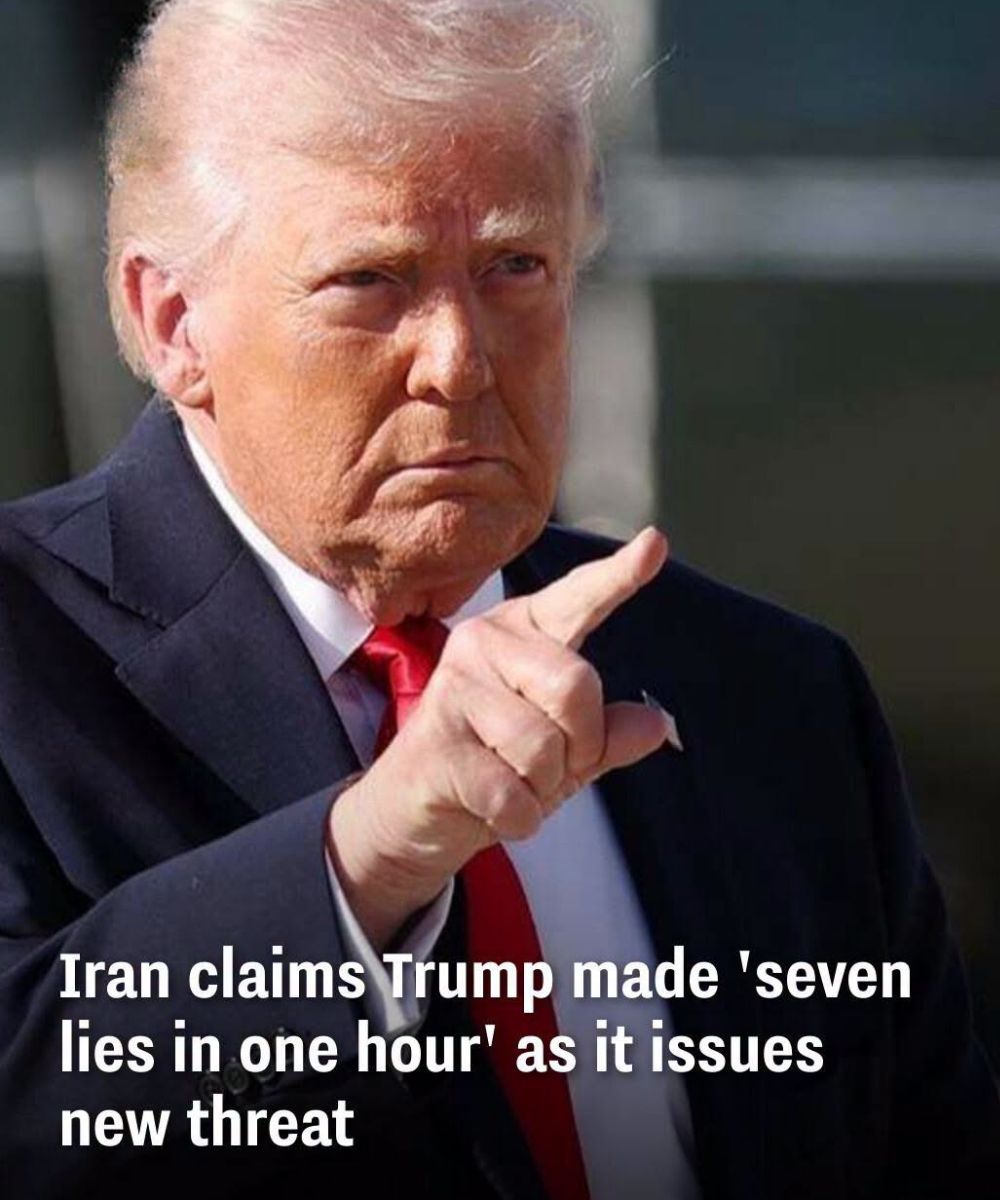
Ceasefire or not, tensions between the United States and Iran are escalating, with Tehran warning Washington and accusing former President Donald Trump of spreading several falsehoods in a very short span of time.
In the wake of the April 8 ceasefire, which Pakistan helped mediate, the world might have expected a calmer atmosphere. Missile launches have paused, but the underlying dispute has not eased. Instead, the focus has shifted to control of the Strait of Hormuz, a narrow but vital waterway that serves as a lifeline for the global energy market. The United States has kept up pressure on Tehran, and Iran has responded by tightening conditions for passage and warning that the situation remains fluid.
Iran has limited activity in the Strait since the conflict began, slowing commercial traffic and disrupting some oil shipments, including routes that eventually supply the United States. These moves have spilled over into daily life through higher fuel prices, shipping delays, and added uncertainty for businesses and consumers alike. Even so, Donald Trump has publicly insisted that Iran is on the back foot—comments that Iranian officials dispute forcefully.
Tehran’s reaction was swift. Iranian authorities said the former U.S. president made a string of inaccurate statements, going so far as to characterize them as “seven false claims” delivered within a single hour. While the ceasefire eased immediate military tensions, the war of words has only intensified, raising questions about what comes next on the water and at the negotiating table.
Why the Strait of Hormuz matters so much right now
To understand this standoff, it helps to picture the Strait of Hormuz as a narrow doorway linking the Persian Gulf with the wider world. A significant share of the world’s oil—about one-fifth by many estimates—flows through this channel on tankers that must pass close to Iran’s shores. Because the strait is narrow, any restrictions, slowdowns, or new rules can quickly ripple across global markets. When traffic tightens, insurers raise rates, shipping companies reroute vessels, and energy prices respond almost immediately.
For families and retirees, these issues show up not in distant headlines but at the gas pump, in heating oil bills, and in the cost of everyday goods. When oil gets pricier, transportation and production costs follow suit. If you notice that filling the tank costs more or that airfare has inched up, the bottleneck at the Strait of Hormuz is part of the reason.
Talks after the ceasefire: Progress on paper, uncertainty at sea
Negotiations have continued in the two weeks since the ceasefire, and both sides have explored ways to prevent a return to open confrontation. Still, the absence of missile fire has not guaranteed smooth sailing for commercial vessels. Iran’s restrictions, even when partially lifted, have been calibrated to signal that access is conditional and dependent on the behavior of other players—chiefly the United States.
Officials in Tehran point out that the strait was reopened for commercial use after the ceasefire, but they also stress that this openness should not be taken for granted. Their message is that the door can close as quickly as it reopened if they feel provoked or pressured. In other words, the shipping lanes are not just a trade corridor—they are also a bargaining tool.
Iran calls out Trump’s statements and sets its own terms
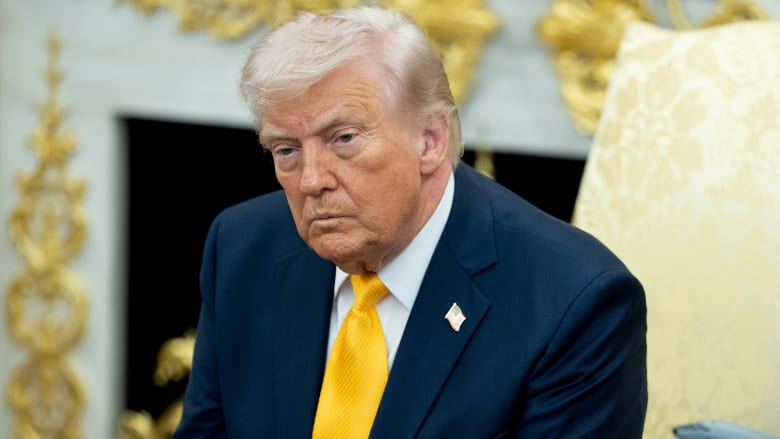
Mohammad Bagher Ghalibaf, the Speaker of Iran’s Parliament, voiced the strongest rebuke yet to Trump’s remarks. He argued that all of Trump’s recent claims about the situation were false and that such rhetoric does nothing to help either side—whether in conflict or in negotiations. Ghalibaf also warned that the Strait of Hormuz may not stay open indefinitely. According to him, any passage needs to follow routes approved by Iran and may, in time, require explicit Iranian clearance.
That stance is not purely about pride or politics. Control of chokepoints like the Strait of Hormuz offers leverage in international affairs. For Iran, signaling that access can tighten or loosen is a way of shaping the talks. It is also a reminder that, despite military and diplomatic pressure, Tehran retains tools that can influence global markets and the pace of international trade.
Iran’s message stressed that decisions about the strait will be based on concrete conditions at sea and on the ground—not on online exchanges or public statements. In other words, posts on social media will not determine policy. Practical developments, inspections, and the presence of foreign navies will likely matter more than any headline or viral claim.
Trump’s counterclaims and the reality at sea
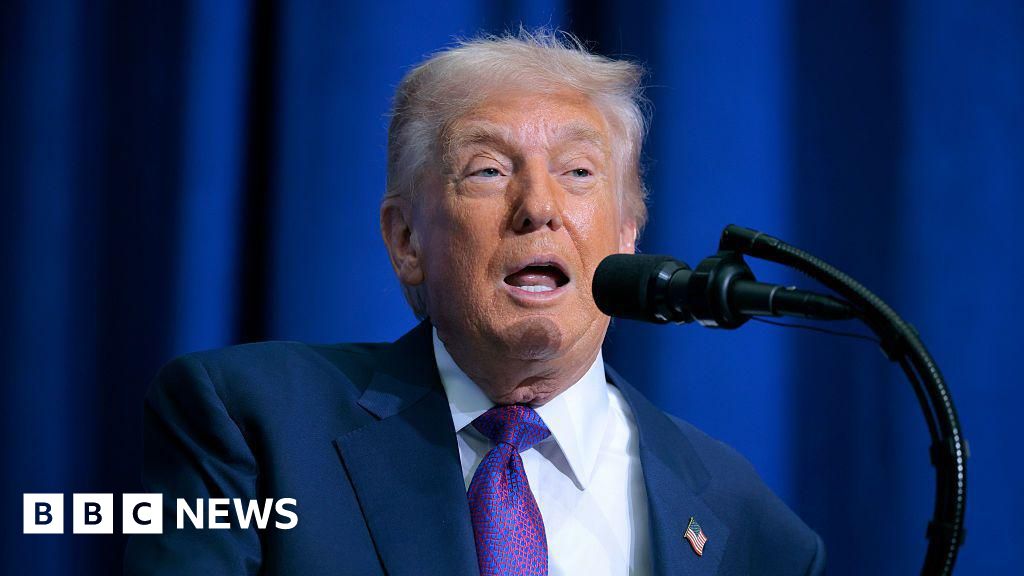
On his platform, Truth Social, Donald Trump has kept a steady stream of updates coming. He has said that many issues in the talks have already been resolved and has claimed that Iran has made a long-term commitment. In another message, he suggested that Iran has limited leverage beyond temporary disruptions to shipping and that, sooner or later, Tehran would be bound to negotiate in earnest.
The trouble for that narrative is the hard geography of the Strait of Hormuz. With roughly one-fifth of the world’s oil passing through these waters, even “temporary” slowdowns can carry a punch. For investors, energy companies, and importers, days and weeks matter. Schedules slip, costs rise, and risk accumulates. At that scale, Iran does not need to shut the door completely to exert influence; simply changing the rules of passage or insisting on new procedures can have global effects.
None of this means that a full closure is inevitable. It simply means that Tehran retains the power to make the world pay attention, and that power shows up in higher prices and longer delivery times. When policy choices in distant capitals change what happens in a narrow channel of water, households feel the impact in everyday expenses.
What the ceasefire did—and did not—achieve
The April 8 ceasefire reduced the immediate risk of missile exchanges and gave negotiators space to work. That was a meaningful step. But ceasefires are not peace treaties. They freeze portions of a conflict without resolving the core disagreements. In this case, the arguments over security, sanctions, regional influence, and control of key waterways continue.
Pakistan’s mediation helped the sides pause the most dangerous escalations, yet the balance remains fragile. Each day without fresh hostilities is valuable. Still, both sides are probing for advantage, and they are using statements, warnings, and the management of shipping lanes to do it. In that context, even optimistic claims need to be weighed against the reality on the water.
How these tensions reach everyday life
For people between 45 and 65, the connection between a strait halfway around the world and the household budget can feel abstract—until the monthly statements arrive. Gasoline and diesel costs filter into grocery prices, delivery fees, and airfare. If you heat your home with oil or drive frequently, you may already be noticing a pinch. And if you follow markets, you know that energy uncertainty often triggers swings in stocks and bonds, including those in retirement portfolios.
Shipping companies factor in maritime risk with something called “war risk premiums,” and insurers do the same. When tensions rise, those premiums go up, and carriers pass some of the extra cost along to consumers. Because major shipping lanes are tightly scheduled, even short disruptions can cause a backlog. That backlog can mean slower deliveries of imported goods—from electronics to medicines.
Iran’s conditional reopening and the possibility of new rules
Tehran’s limited reopening of the Strait after the ceasefire was a sign that talks matter, but the fine print is important. Iranian officials have repeated that this status is not guaranteed. Access may hinge on how the United States and its partners act in the days ahead. If Washington increases pressure, Iran may respond by tightening inspections, altering allowed routes, or redefining which vessels get priority.
Ghalibaf’s warning that passage could require Iranian approval is a strong marker. It suggests potential changes to how captains file transit plans, what documentation they present, and which corridors they can use. Even if such measures remain within the bounds of international law, they can slow down traffic enough to nudge markets upward. In high-volume waterways, minutes add up to hours, and hours to days.
International law, national control, and a narrow channel
The Strait of Hormuz sits at the crossroads of geography and law. Under widely recognized maritime rules, key straits are generally open to transit passage. Iran, however, argues that its security concerns require a say over how that passage is managed. The result is a gray zone where global expectations and national claims collide. Navies patrol, diplomats negotiate, and shipmasters track each new instruction carefully.
When politics collide with shipping, a steady routine becomes a series of judgments. A tanker captain must weigh speed against safety, a government must balance pressure against escalation, and markets must price risk against demand. All of this can change quickly, which is why both businesses and households benefit from staying informed and flexible.
Signals from Washington and Tehran
The United States has framed its position around keeping global trade moving and preventing Iran from using the strait as leverage. Iran has framed its position around sovereignty, security, and a demand that outside pressure ease. Into this mix comes the rhetoric of high-profile figures. Trump’s statements, and Iran’s reply that he delivered “seven lies in one hour,” are part of a broader contest to shape public opinion and negotiating leverage.
Yet beyond the sharp words, ships still need to sail, and oil still needs to move. Both sides know that a full shutdown would have severe consequences, including for countries far from the Gulf. That shared understanding is one reason the strait has not fully closed, despite the warnings. It is also why negotiations continue, even when the tone at the microphone grows harsher.
What to watch in the days ahead
Signs of easing would include fewer delays at checkpoints, clearer guidance from maritime authorities about routes, and a plateau in insurance premiums for tankers. Signs of tightening would include new transit rules, redirected traffic to alternative paths, and an uptick in escorted convoys. If either side announces military exercises near the strait, expect shipping timetables to wobble and prices to react.
On the diplomatic side, look for mentions of third-party mediation, not just from Pakistan but potentially from other regional players. Track whether statements shift from broad claims to concrete steps, like joint deconfliction hotlines or shared verification measures at sea. Practical mechanisms often tell you more about the direction of talks than slogans do.
Staying grounded amid bold claims
It can be difficult to sort fact from spin when headlines pile up. As Iranian officials emphasized, what happens on the water matters more than what appears online. If you are watching this as a consumer, a retiree, or someone budgeting carefully, keep your eye on the indicators you can verify: prices at the pump, notices from your utility, and updates from shipping and energy firms that report to investors. These tend to cut through the noise.
Remember, too, that markets often react quickly and then settle. A worrying headline may push prices up for a few days, only for them to drift back as new information arrives. That is not a reason to ignore the news, but it is a reminder that short-term jolts do not always turn into long-term trends.
The bottom line as of today
The ceasefire has reduced immediate danger, but it has not dissolved the dispute. Iran is pushing back on Trump’s claims, accusing him of multiple falsehoods in a short span, and warning that the Strait of Hormuz may not stay fully open if tensions climb. Trump, for his part, says many issues are already settled and that Iran’s leverage is limited, arguing that negotiations are the logical path forward.
Between those positions lies the daily reality of ships moving through a narrow, highly sensitive waterway. About one-fifth of the world’s oil still depends on this passage. For now, traffic continues, but Iran insists that the terms of passage are linked to what happens next in talks and on the geopolitical stage. As long as that remains the case, fuel prices and shipping schedules will reflect not only supply and demand, but also diplomacy and deterrence.
What it means for you
If you drive often, heat your home with oil, or keep a close eye on your retirement accounts, it is sensible to expect occasional bumps in energy costs while this dispute plays out. Plan for some volatility, and remember that sudden spikes can ease if talks make headway. Keep an eye on practical updates from energy companies and transportation providers, which often communicate changes in schedules, surcharges, or availability ahead of broader news coverage.
As the situation evolves, the most reliable guide will be measurable developments at sea: clearer rules for passage, steadier traffic flows, and consistent reporting from crews and carriers. Until those settle, officials in Tehran will continue to remind the world that the strait’s openness depends on real-world behavior, not just words on a screen, and Washington will continue to insist that global trade must not be held up by pressure tactics. That tug-of-war is why this narrow stretch of water remains in the center of the world’s attention today.