Trump highlights cognitive testing as proof of sharpness and urges screenings for candidates
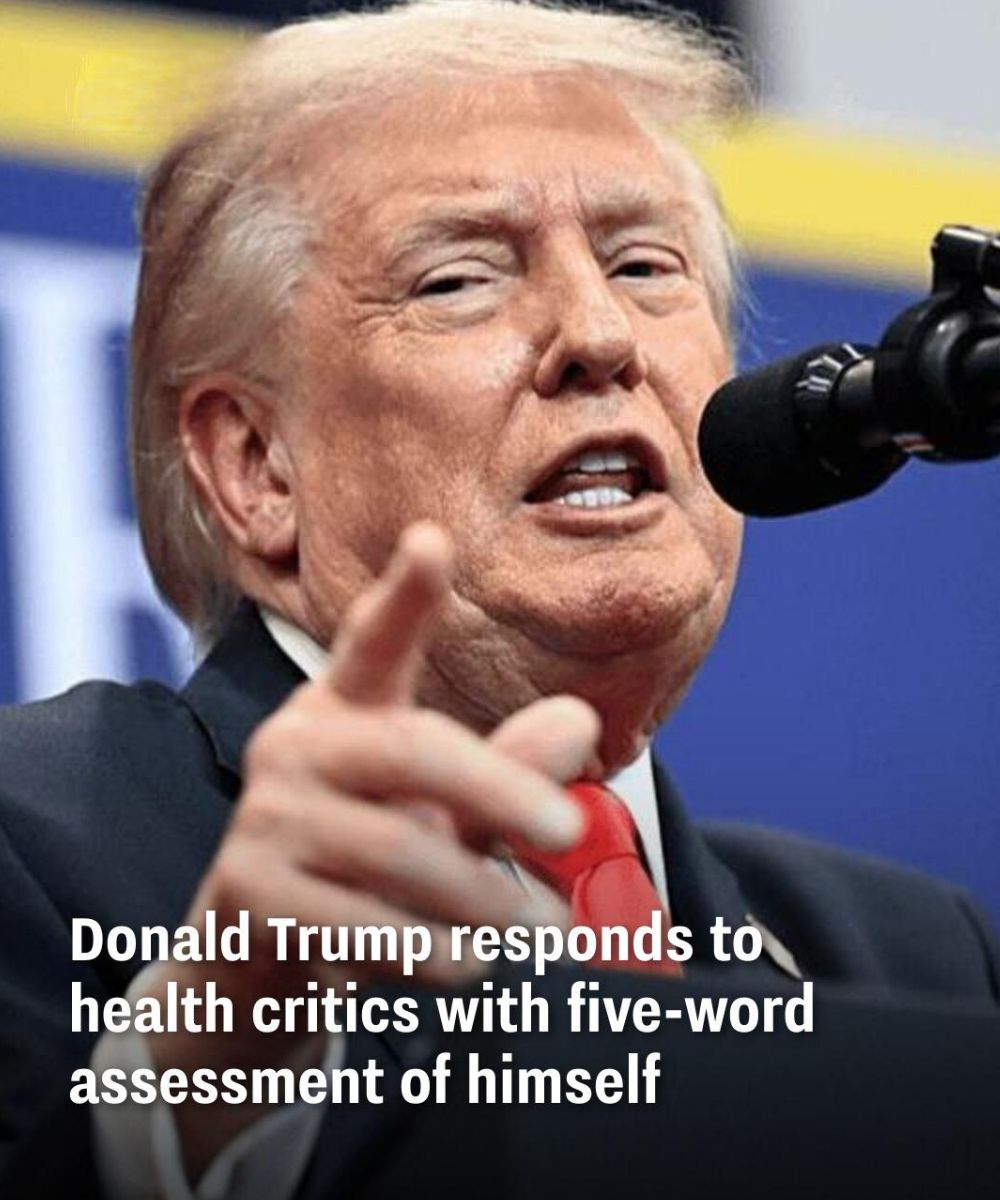
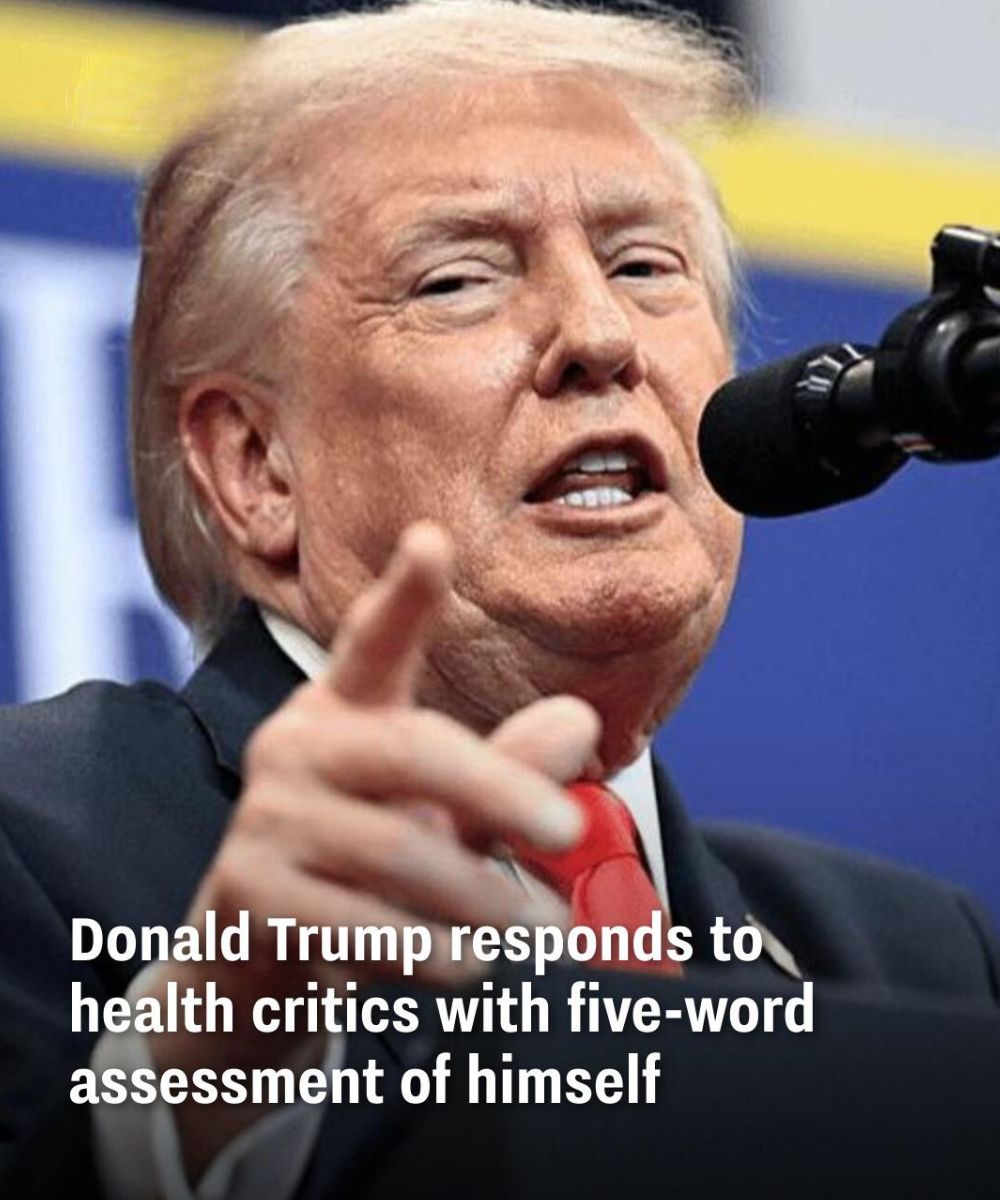
Donald Trump has once again addressed questions about his health, using a new message on Truth Social to emphasize that he recently took multiple cognitive tests and, in his words, passed them with top results. At 79 and soon to turn 80, he presented these scores as evidence of strong mental sharpness. He also repeated a proposal he has floated before, saying that anyone running for president or vice president should complete a cognitive exam before entering the race.
In his post, Trump framed the idea as a way to prevent election surprises and suggested that such a requirement could help voters feel more confident about the mental readiness of the nation’s leaders. He referenced past figures, including Barack Obama and Joe Biden, while arguing that a standardized test could serve as a neutral check. He further stated that he had taken the exam three times while in office and performed exceptionally well each time. In making his case, he also used language that seemed to imply he had served three terms as president, a phrasing that drew attention for being at odds with the historical record.
Alongside those claims, Trump described his performance as unusually strong and said doctors told him that doing so well on the exam is rare. The overall message he delivered was simple and direct, summed up in a short five-word self-assessment that he used to underline his confidence. He positioned the proposed testing requirement as common sense and something that could be applied to both major parties and any future candidates.
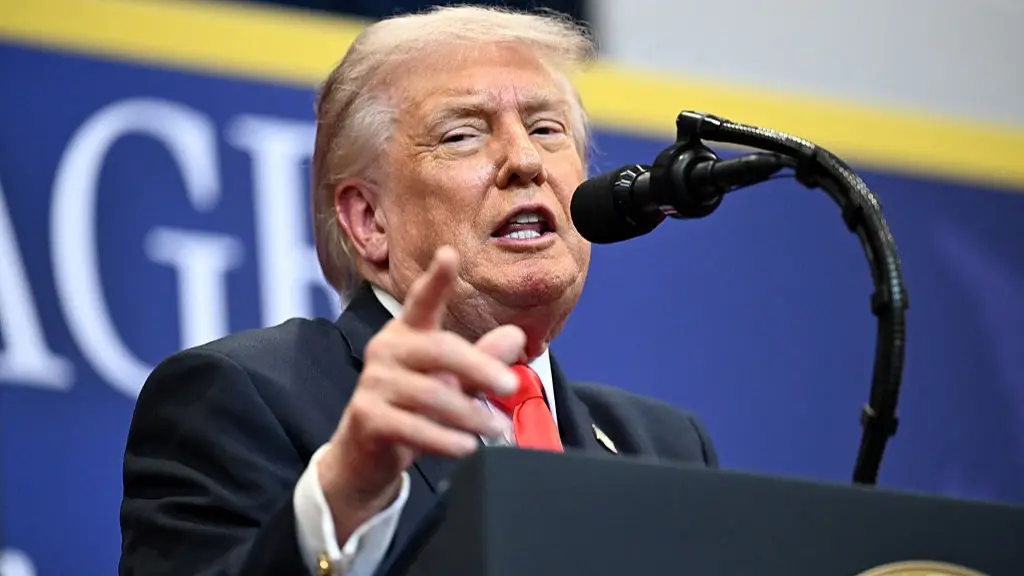
Not everyone agrees with the significance of those test results. Some medical professionals and psychologists have cautioned against reading too much into any single cognitive screening. While a strong score can be reassuring, they note that it is only one data point and does not capture the full picture of a person’s cognitive health, let alone their overall fitness to handle the daily demands of national leadership.
What the MoCA is designed to do, and what it is not
Although Trump did not name the specific exam he took, many observers believe he was referring to the Montreal Cognitive Assessment, often shortened to MoCA. The MoCA is a well-known screening tool used by clinicians to check for potential signs of cognitive decline. It is widely used because it is brief, practical, and covers several basic skills, including memory, attention, language, and the ability to follow simple instructions.
Importantly, the MoCA is meant to be straightforward for people who are in generally good cognitive health. It is not a high-level intelligence exam or a measure of expertise in complex problem-solving. Instead, it is a quick screening that can flag whether further evaluation is warranted. Doctors might use it if a patient or family member brings up new worries about forgetfulness, confusion, or changes in thinking. In some clinics, it can also appear as part of routine wellness checks for older adults, much like a blood pressure reading for the brain.
Clinical psychologist Dr. John Gartner, among others who have commented on these issues, has explained that doing well on the MoCA is typically not a grand accomplishment in itself. Rather, it generally indicates that the person tested is not showing clear signs of significant cognitive impairment at the time of testing. In other words, a high score is reassuring, but it doesn’t rule out all mild or early-stage issues, and it certainly doesn’t measure the broader traits that public service demands, such as judgment under pressure, emotional steadiness, strategic thinking, or the stamina needed for long hours.
The tasks on the MoCA are intentionally simple. A person might be asked to draw a clock showing a specific time, identify common animals from pictures, repeat a short list of words, or remember those words after a brief delay. The test also includes small attention exercises, like repeating a sequence of numbers forward and backward, or connecting dots in a standard pattern. Trouble with these tasks can be an early sign that a more thorough assessment would be wise, but for most healthy individuals, the tasks are not intended to be difficult.
Understanding this purpose helps put any claim of an “ace” score into perspective. For most people without cognitive impairment, clinicians expect a relatively strong performance. That does not make the test useless; it simply means that a normal result is, by design, what clinicians often anticipate. Abnormal results are what prompt concern and follow-up. A screening like the MoCA is a starting point, not a finish line.
Why this debate keeps bubbling up
Public conversation about Trump’s cognitive fitness has ebbed and flowed for years, and it has picked up again in recent weeks. Much of this renewed attention stems from incidents that critics point to as concerning, such as moments in speeches where names, places, or timelines appear to get jumbled. Supporters, on the other hand, argue that isolated slips happen to everyone, especially during long, unscripted remarks, and they say that those moments are no reason to draw sweeping conclusions.
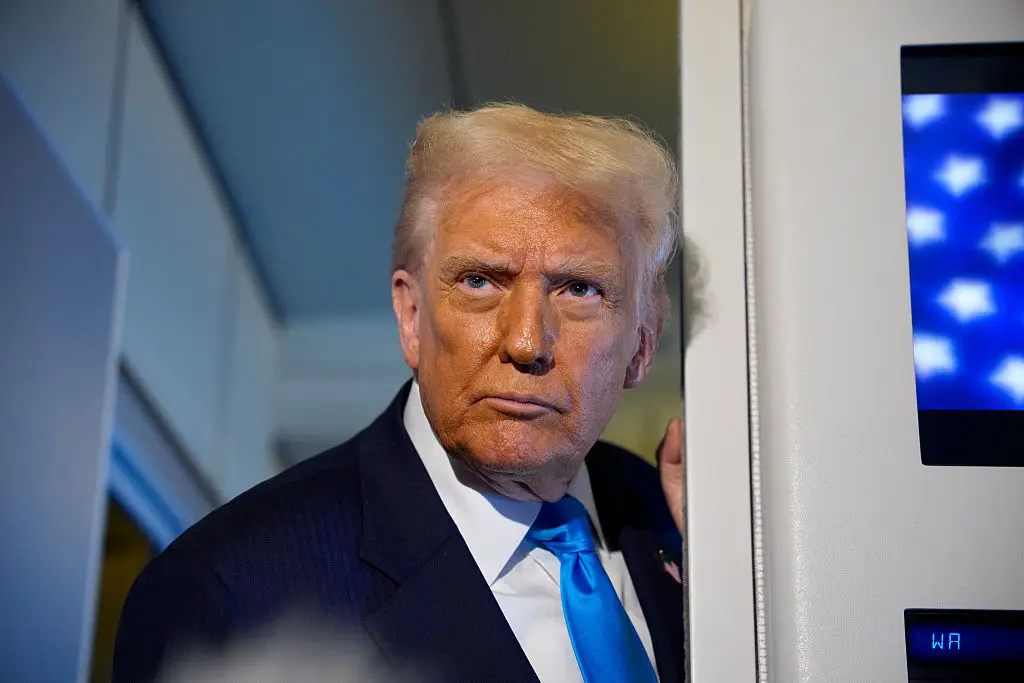
Some of the recent chatter followed a speech in which Trump appeared to confuse Ukraine and Iran, a mix-up that opponents seized upon and that allies downplayed. These episodes tend to dominate the news cycle because they are easy to replay in short clips and fuel broader debates about age, endurance, and readiness. The same cycle often plays out for leaders of both parties, particularly as more candidates in their seventies and eighties seek or hold high office.
Adding to the conversation, Defense Secretary Pete Hegseth sidestepped a direct yes-or-no answer when questioned in Congress about whether he believes the president is mentally fit to serve. During a House Armed Services Committee hearing, Representative Sara Jacobs asked about the president’s stability, and Hegseth responded by redirecting the discussion toward whether former President Joe Biden had faced comparable scrutiny. His response reflected a familiar pattern in Washington, where questions about one figure quickly expand into a broader, partisan tug-of-war over standards and fairness.
Should candidates be required to take cognitive tests?
Trump’s suggestion that all presidential and vice-presidential candidates undergo cognitive screening has obvious appeal to many voters. On its face, it sounds practical, like checking the oil before a long road trip. People want reassurance that anyone seeking the most demanding job in the country can handle the pressures that come with it. At the same time, the idea raises questions about how such tests would be used, interpreted, and enforced.
There is the issue of what exactly a cognitive screening can tell us. A quick exam like the MoCA can catch red flags, but it is not a full portrait of a candidate’s mental capacities, judgment, or leadership qualities. A person could pass a screening and still struggle with the relentless pace, the weight of high-stakes decisions, and the scrutiny that defines the presidency. Conversely, a person who stumbles on a portion of a brief screening might nonetheless excel in complex strategic thinking, team building, and crisis management. The presidency demands far more than the skills captured in a ten-minute test.
Privacy also matters. Candidates, like all patients, have medical information that historically has been treated as private, even if the press and the public pressure them to disclose more. Some voters would welcome strict, standardized disclosures; others worry that the process could turn into a public shaming contest rather than a meaningful assessment. How to set fair, nonpartisan rules is a major challenge, as is deciding what any abnormal finding would mean in practice. Would one abnormal score end a campaign, or would it require follow-up evaluations? Who would administer the test, and how would the results be communicated to the public so that they are informative rather than inflammatory?
These questions do not have easy answers. Still, the instinct behind Trump’s proposal resonates with many Americans who simply want confidence that their leaders are up to the job. The difficulty lies in building a system that is medically sound, respectful of privacy, and protected from political gamesmanship.
Screenings versus full evaluations: knowing the difference
For context, it helps to distinguish between a brief screening like the MoCA and a comprehensive neuropsychological evaluation. A screening is short, often ten to fifteen minutes, and its primary purpose is to detect signs that something might be wrong. It is similar to a smoke alarm: if it goes off, you investigate further, but if it stays silent, you do not assume the building is fireproof. A full evaluation, by contrast, can take hours and include a wide range of tests that examine memory, attention, processing speed, language, problem-solving, and more. It may also consider mood, sleep, medications, and medical history, because all of these can influence how a person thinks and feels day to day.
Even a detailed assessment, though, is not a crystal ball. It can describe a person’s strengths and weaknesses, suggest diagnoses, and guide treatment. It cannot predict perfectly how someone will perform under the unique stresses of high office. Leadership is about more than test scores. It involves experience, resilience, decision-making under uncertainty, communication skills, and the ability to build and guide a capable team. Those qualities are hard to capture on paper, which is why debates about age and cognitive testing continue to be so complicated.
What older adults should know about cognitive health
For readers in midlife and beyond, it is natural to tune in closely when public figures talk about memory and brain function. Many people notice small changes as the years pass, such as occasionally misplacing keys, needing more time to recall a name, or briefly losing a train of thought while juggling tasks. These experiences are common and, by themselves, not a sign of disease. When changes become frequent, interfere with daily routines, or are noticed by family and friends, that is the time to speak with a clinician. A quick screening can be a sensible, low-stress way to decide whether further evaluation would be useful.
It is also worth remembering that cognitive health is influenced by everyday habits. Managing blood pressure, staying physically active, keeping socially engaged, getting enough sleep, and addressing hearing or vision problems can all support clearer thinking. Medications, untreated depression or anxiety, and even dehydration can affect memory and concentration. If a clinician recommends a brief cognitive screen, there is no need to be alarmed. The goal is to get a snapshot and, if necessary, chart a course for follow-up. For many people, the result is simply reassurance.
When public figures highlight their test scores, it can be tempting to treat those numbers as a full verdict on their capabilities. In reality, these tools are just that—tools. They help guide doctors and patients in a practical, respectful way. They are not the final word on anyone’s future.
The politics of medical disclosures
American politics has a long history of tug-of-war over candidates’ health. Voters want to know that the person in the Oval Office can do the job. Candidates and their teams often prefer to release information selectively, highlighting strengths and downplaying vulnerabilities. As the average age of leading politicians has climbed, the spotlight on health and cognition has grown brighter, and moments on the campaign trail are dissected in real time.
In this environment, a short five-word self-assessment, like the one Trump used to frame his latest message, travels quickly. It is catchy and easy to remember. But even a confident slogan does not resolve the bigger questions. These issues will likely keep surfacing, not just for Trump but for many high-profile figures. The public will continue to balance a desire for transparency with respect for personal medical privacy, and the debate over what to test, how to test, and what to share will remain lively.
Where the discussion stands now
As of today, Trump is leaning into the idea that his recent cognitive tests show he is mentally sharp and ready for the rigors of leadership. He presents his scores as proof and argues that similar tests should be required of every serious candidate. Critics counter that the MoCA, if that is the test he took, is a simple screen that cannot settle complex questions about presidential fitness. They argue that governing ability involves qualities that no quick exam can measure and that a broader, more nuanced view is needed.
That disagreement is unlikely to fade soon. The country remains closely divided, and health has become a persistent thread in how voters think about candidates of all ages. Social media magnifies the most memorable lines and the briefest clips, sometimes crowding out quieter, more careful discussions. Against that backdrop, it is understandable that Trump would highlight a test he says he aced, and equally understandable that professionals would urge caution about what those results mean.
Bottom line for readers
Trump’s message is straightforward: he says he has taken several cognitive tests, passed them with top marks, and believes everyone running for the highest offices should do the same. Medical experts note that a strong score on a short screening can be reassuring but is not, by itself, a judgment on overall fitness to serve. The recent public focus on this topic has been fueled by moments on the campaign trail, questions from lawmakers, and broader concerns about age and stamina in national leadership.
If you are following the headlines, the best approach is to keep both ideas in mind. Quick tests are valuable tools, and they have a rightful place in clinical care and, possibly, in political disclosure. At the same time, they are only one piece of a much larger puzzle. Judgment, experience, resilience, and the ability to make sound decisions under pressure are every bit as important, and those qualities cannot be captured in a few minutes with pen and paper.
For everyday life, if you or someone you love has questions about memory or thinking, a conversation with a healthcare professional is the smartest next step. A simple screening can offer clarity, and if more information is needed, a thorough evaluation can provide it. As the national conversation continues, separating the headline-friendly claims from the medical reality will help all of us make sense of what these tests can—and cannot—tell us.