Today, the White House released the official summary of President Donald Trump’s 2026 physical examination, providing fresh details at a moment when many Americans have been wondering how he is doing. The update arrives after several weeks of speculation and follows a period where questions about age, stamina, and day-to-day performance have been front and center in the national conversation.
According to the summary prepared by Captain Sean Barbabella at Walter Reed National Military Medical Center, the president remains in excellent overall health. The statement highlights healthy heart and lung function, steady neurological performance, and strong general fitness for his demanding role. The message from the medical team is straightforward: he is fully capable of meeting the requirements of the job.
For those watching closely, this report is intended to offer reassurance. The schedule of a sitting president can be punishing, with long days, frequent travel, and a steady stream of high-stakes meetings. The evaluation suggests that, despite that pace, the president continues to manage his responsibilities well.
What Happened During the Visit and Why the Delay Drew Attention
The examination itself took place earlier in the week at Walter Reed. When the release of the results took longer than some expected, it fueled a new round of chatter. Delays like this are not unusual—medical teams often review data carefully before making anything public—but the pause did raise eyebrows. Not long after the visit, the president was back at the White House and posted that his checkup looked perfect, signaling that there was nothing in the results that concerned him.
The report also acknowledged a change many people notice with age and busy schedules: President Trump has gained about 17 pounds since his last exam. His doctors offered the standard advice most of us have heard at one time or another—keep an eye on nutrition, maintain activity, and stick with healthy routines that support good sleep and stress management. None of this came across as alarming, and the tone of the update remained largely positive.
Age in Focus, Common Conditions Explained
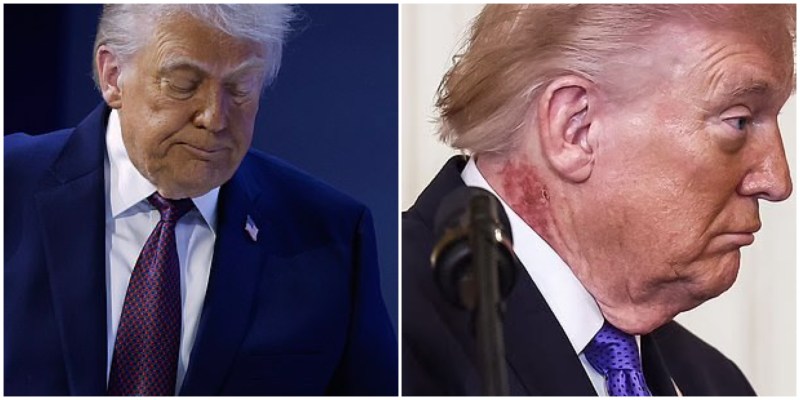
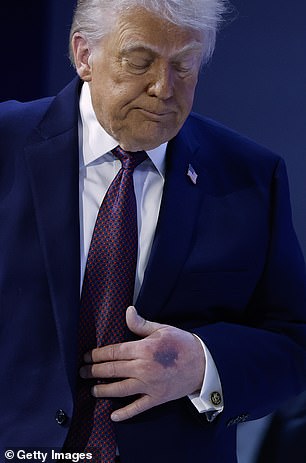
As the president approaches 80, health observers naturally pay close attention to small details. That includes visible bruising on his hands that has popped up from time to time. The White House attributes this bruising to a daily aspirin regimen combined with the sheer number of handshakes in a typical day. For many older adults, aspirin can make bruises more likely because it affects how blood clots. While it can be surprising to see, it is a well-known and fairly common side effect for people who use aspirin regularly under medical guidance.
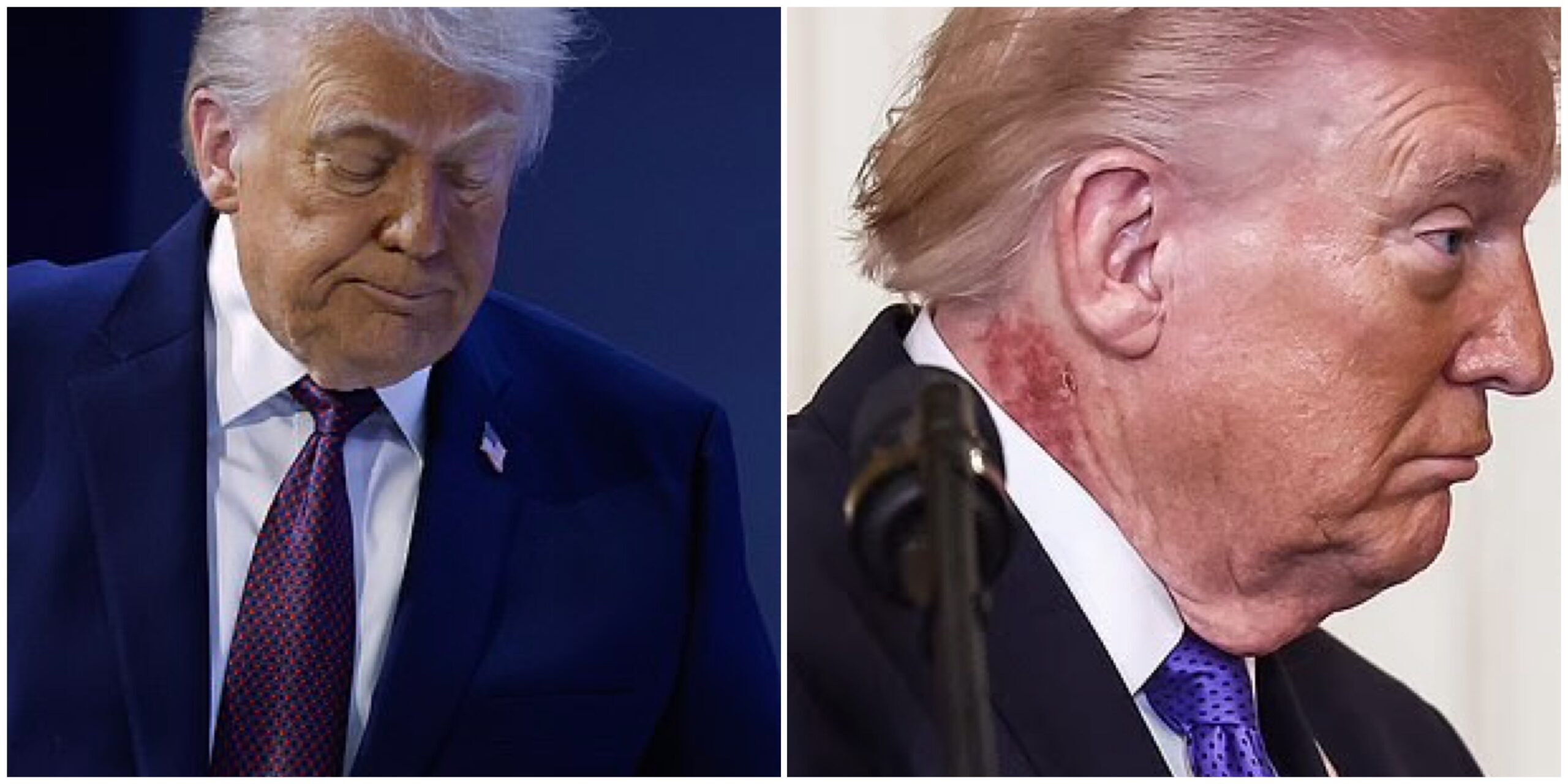
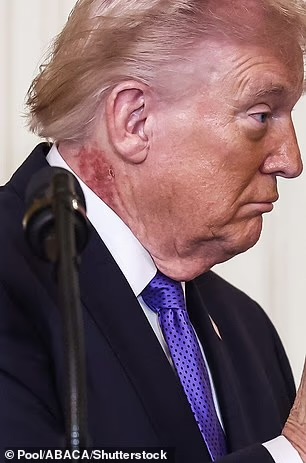
Earlier this year, a rash on the president’s neck led to questions online. According to officials, that rash was the temporary result of a medicated cream used in a preventive skin treatment—an approach many dermatologists use to manage sun damage or reduce the chance of future skin problems. These treatments can look worse before they look better, but they are often part of routine preventive care, especially for people who spend a lot of time outdoors or under bright lights.
Another item noted previously by his medical team is swelling in the ankles, which they have linked to chronic venous insufficiency. If you are unfamiliar with the term, it means the veins in the lower legs are not moving blood back to the heart as efficiently as they once did. It is a condition doctors see frequently in older adults and in people who spend long hours on their feet or sitting. The swelling can come and go, often improving with elevation, compression, or periodic movement. While it is something to monitor, it is not unusual and does not on its own point to a more serious issue when managed appropriately.
These details, taken together, help frame a simple picture: routine age-related issues may appear, but the overall report still characterizes the president’s condition as strong. Many readers may recognize these same themes from their own checkups or from conversations with their doctors—ordinary reminders to keep moving, watch the diet, and follow a sensible plan.
The Broader Conversation and Inevitable Comparisons
The public is no stranger to discussions about a president’s health. In recent years, questions surrounding fitness and transparency followed high-profile moments and late-breaking updates, whether about President Joe Biden during his tenure or other modern presidents who faced medical procedures while in office. Whenever these stories trend, the scrutiny can feel intense. Now, with President Trump serving in his second term and standing as the oldest sitting president on record, the spotlight naturally returns. Every stumble, cough, or photograph invites analysis—fair or not, that comes with the territory.
Even small signs can capture outsized attention: a slow walk down steps, a thoughtful pause at a microphone, or a photo angle that looks unflattering. That is not unique to any one person. Age adds context, and in American politics, age has become a point of debate. People want reassurance that the individual holding the job can handle its pace and pressure day after day, year after year.
On this front, the medical summary aims to steady the conversation. It communicates that the president’s vital systems are sound and that his performance meets the demands of office. That reassurance, combined with adjustments to routine health habits where helpful, is the basic message coming from Walter Reed.
The day of the visit provided another visual reminder of the presidency’s logistics. The presidential motorcade transported him to Walter Reed National Military Medical Center, a trip that takes the better part of an hour depending on traffic and security. The images from the day underscored the routine nature of the event—highly choreographed, familiar, and built around the tight security that always surrounds a commander in chief.
Images showed the president in the back of the presidential limousine, often called the Beast, on the way to his appointment. Later, a White House photo circulated to confirm the trip and maintain the sense that this was all standard practice, repeated almost every year in a similar way, no matter who occupies the Oval Office.
How the White House and the President Describe the Findings
In response to concerns that surface periodically, the White House has offered straightforward explanations. Bruises on the hands have been linked to frequent handshakes and a daily aspirin routine. Moments that some have interpreted as dozing off in meetings, aides say, are better understood as times when he is listening intently with eyes closed. The president himself frequently highlights strong results on cognitive screening, and he has shared stories about taking and acing those assessments.
For anyone unfamiliar with what those screenings involve, they are not advanced IQ tests but rather brief, practical exercises that check everyday thinking skills—things like recalling a short list of words after a few minutes, drawing a simple clock face to show spatial thinking, naming animals, or identifying patterns. Doctors use these tools to flag signs that more extensive testing might be helpful. Good performance is reassuring, and that is the point the president and his team often emphasize when questions come up.
What Polls and Supporters Are Saying Right Now
Polling over the past year suggests that more Americans, across the political spectrum, are weighing the president’s mental and physical sharpness than they did before. That shift is part of a larger conversation about age and leadership that touches many elected officials. At the same time, supporters point to the president’s energy at rallies, his frequent public appearances, and his pace of travel as evidence that he remains vigorous. Public figures such as Dr. Mehmet Oz have previously highlighted favorable aspects of the president’s records, helping back the message that the fundamentals look strong.
It is worth remembering that polling is a snapshot. Views change with new information, with the news cycle, and with what people see in their own lives. Medical reports like today’s are one piece of the puzzle. The day-to-day impressions people form—through speeches, interviews, and unguarded moments—are another. Together, they form the narrative that voters carry with them.
How Presidential Health Disclosures Usually Work
In the United States, there is no law that forces a president to publish a complete medical record. Instead, administrations typically release a summary that emphasizes the headline findings, major procedures, and doctor recommendations. That has been the custom for decades, and it gives the public a broad understanding without opening every detail of a private medical chart.
Because these summaries are meant for public consumption, they tend to focus on the positive. That does not mean they are false; it simply means they are curated. Medical teams choose what is relevant, confirm facts carefully, and present the information in a clear way. For the average reader, the key questions are simple: Is the president able to do the job? Are there any red flags that demand attention? Today’s report answers those with a steadying “yes, he can” and “no, there is nothing alarming,” while acknowledging normal age-related issues that are being monitored and managed.
Transparency is always a balance. Presidents deserve the same basic privacy as anyone else, but the public also has a legitimate interest in the health of the person holding the highest office in the country. Over time, that balance can shift, depending on circumstances, recent events, and what people see with their own eyes. For now, today’s release appears designed to calm nerves and move the conversation forward.
Making Sense of the Medical Notes in Plain Language
If you found yourself wondering about a few of the terms and details mentioned around this exam, you are not alone. When doctors talk about cardiovascular health, for example, they are looking at the heart, the arteries that carry blood away, and the veins that bring it back. Normal readings in this area are a good sign, especially for someone with a demanding schedule. Lungs are assessed through listening to breath sounds, reviewing imaging if needed, and looking at how comfortably a person exhales and speaks during examination. Neurological function is checked through simple tests of strength, balance, eye movements, speech, and memory.
Weight changes often attract attention, and the report’s note about a 17-pound increase will be the fact many people remember. For older adults, managing weight can be trickier than it used to be. Metabolism slows, mobility can change, and schedules are not always under our control. Doctors typically suggest practical, familiar steps—more walking when possible, mindful portion sizes, staying hydrated, and choosing foods that are satisfying without being heavy. The president’s team framed their advice in just this everyday way: stick with habits that work and fine-tune where helpful.
Bruising tied to aspirin is another point people ask about. Aspirin affects platelets, the tiny cells that help blood clot. That can be beneficial for certain heart and vascular risks, which is why some doctors recommend it, but it also means bumps can leave more visible marks. For anyone on aspirin, that kind of bruising is not uncommon, especially if they are shaking hands hundreds of times a week.
As for chronic venous insufficiency, picture a pair of soft, flexible tubes trying to push water up a hill all day. Over time, those tubes can get tired, and a little fluid may collect near the ankles. Doctors usually suggest elevating the legs when convenient, staying active, or wearing compression socks. Many people live comfortably with this condition by following simple routines and staying in touch with their healthcare providers.
The Bottom Line and What to Watch Next
Stepping back, the newest White House summary lands where many expected it would. It says the president is in excellent health, capable of performing his duties, and it notes a few ordinary, age-related items that are being managed with standard steps. The timing and the attention are not surprising—health is always a hot topic when it comes to presidents, especially as birthdays accumulate and the job never seems to slow down.
Will this report put all questions to rest? Probably not. In a media environment this lively, the conversation does not end with a single document. But the people closest to the president want the public to understand two core points: his vital systems look good, and his doctors remain comfortable with how he is handling the rigors of the office.
For those following along at home, the best indicator in the months ahead will be what you see and hear. Does he keep the pace he has set? Does his team share regular, clear updates? Are any new issues raised and addressed promptly and plainly? Today’s report offers a reassuring answer to the immediate questions. As the year unfolds, continued transparency and steady performance will matter just as much.
In short, the 2026 physical exam paints a picture of an active, engaged, and closely monitored president whose health remains solid. With sensible guidance from his medical team—eat well, stay active, and keep up with healthy routines—he appears positioned to continue meeting the demands of the job. The discussion about age and fitness will continue, as it always does, but for now, the headline is simple and clear: the latest checkup looks good, and the work goes on.