A simple guide to understanding fatty liver disease
Fatty liver disease is far more common than most people realize, especially for adults in their 40s, 50s, and 60s. The good news is that, in many cases, it can be improved and even reversed with steady, practical changes. If you have been told your liver tests are a bit high, or you have risk factors like weight gain around the middle, high blood pressure, high cholesterol, or type 2 diabetes, this friendly guide will help you spot warning signs and take clear steps to protect your liver.
Many people feel worried when they first hear the words “fatty liver.” Try not to panic. Your liver is remarkably resilient. With the right habits and support, it often heals. This article explains what to watch for, when to talk with your doctor, and how to make changes you can actually stick with. You do not need complicated diets, expensive supplements, or harsh “detoxes.” You need simple, consistent actions that your body will thank you for.
What fatty liver disease means
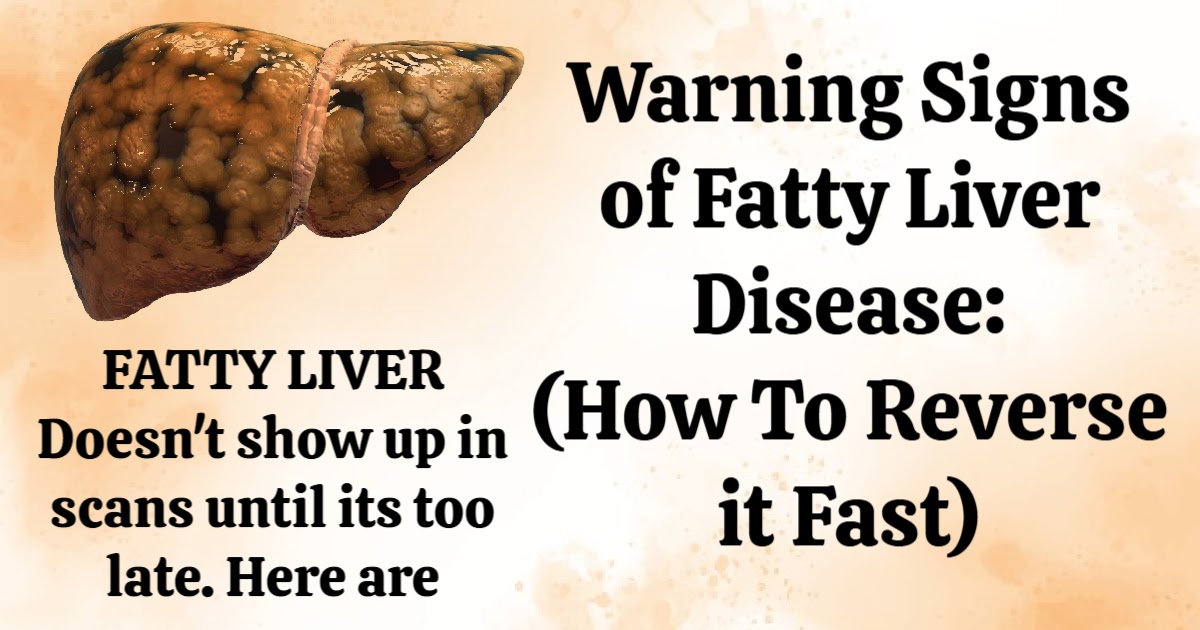
Fatty liver disease happens when extra fat builds up inside the liver. Doctors used to use the term NAFLD for “nonalcoholic fatty liver disease.” Today you may hear newer names such as MASLD (metabolic dysfunction-associated steatotic liver disease) and MASH (for the inflamed form). The main idea is the same: the liver stores too much fat, usually linked to weight gain, insulin resistance, and other metabolic issues. Alcohol can also cause fatty liver, but many people with fatty liver drink little or no alcohol at all.
The liver is your body’s hardworking filter and factory. It helps manage blood sugar, build proteins, process medicines, and clear out waste. When it is loaded with fat, it cannot do its jobs as well. Over time, this may lead to inflammation and scarring. Caught early, however, the fat and inflammation can often improve. That is why recognizing warning signs and acting promptly is so important.
Common warning signs to watch for
One of the tricky parts of fatty liver disease is that it is often silent at first. Many people feel perfectly fine. That said, there are clues your body may give you. Pay attention to ongoing tiredness that does not match your usual level of activity. If you notice a persistent sense of fatigue even after a good night’s sleep, it may be a signal to check your health, including your liver.
Another possible sign is a feeling of pressure or discomfort in the upper right side of your abdomen, where the liver sits. This is not typically sharp pain, but more of a fullness or mild ache. Some people notice their waistband getting tighter or their belly growing rounder, even if their weight on the scale has not changed much.
Skin and digestive changes can also be hints. Itching without a clear cause, bloating after meals, or a sense of heaviness may appear. These symptoms are not specific, and many other conditions can cause them too, so do not jump to conclusions. Think of them as gentle nudges to get a checkup.
Several warning signs come from routine blood tests more than from symptoms. If your doctor mentions that certain liver enzymes, such as ALT or AST, are higher than expected, or your triglycerides, LDL cholesterol, or blood sugar are creeping up, these can be early flags of trouble in the liver and metabolism. Finding these changes early is a gift, because it gives you time to turn things around.
Who is most at risk
Age and lifestyle can both play a role. Adults between 45 and 65 often experience shifts in metabolism and muscle mass that make it easier to gain fat around the middle. Weight gain, especially at the waist, increases the odds of fat building up in the liver. Type 2 diabetes, prediabetes, high blood pressure, high triglycerides, high LDL cholesterol, sleep apnea, and a family history of these issues also raise risk.
Alcohol matters too. Even if you do not drink heavily, regular drinking can add stress to the liver, especially when combined with other risk factors. Certain medications and medical conditions can contribute as well. This is why a complete conversation with your healthcare provider is so valuable. They can help you sort out what applies to you and design a safe plan forward.
When to seek medical help sooner
Call your healthcare provider promptly if you notice yellowing of your skin or eyes, swelling in your legs or belly, easy bruising, confusion, or very dark urine. These can be signs of more serious liver trouble and deserve urgent attention. If you have vomiting with blood or black, tarry stools, get immediate care. These symptoms are uncommon with early fatty liver, but they should never be ignored.
How doctors check the liver
Your doctor may begin with blood tests to look at liver enzymes and overall metabolic health. An ultrasound can show whether there is extra fat in the liver. Some centers also use specialized scans, such as FibroScan, to estimate stiffness of the liver, which helps check for scarring. These tests are painless and quick. In most people, they are all that is needed to make a plan and monitor progress.
How to reverse fatty liver safely and as quickly as your body allows
There is no overnight cure, but the liver can improve surprisingly fast once you remove the pressure it is under. Many people see better lab results within a few months, and clear improvements in liver fat within three to six months. The key is steady, realistic steps you can keep doing. The following areas have the strongest evidence and are both safe and practical for most adults.
Weight and waist management
Modest, steady weight loss has powerful effects on the liver. Even a small loss, around five percent of your body weight, can reduce liver fat. Losing closer to seven to ten percent can calm inflammation and begin to heal damage. The goal is not rapid, extreme dieting. Gentle, consistent progress works best and is kinder to your heart, muscles, and mood. Think in terms of gradual changes that you do not mind repeating day after day.
If the scale feels discouraging, measure your waist at your belly button and track that number every few weeks. As your waist shrinks, the liver usually benefits. Celebrate small wins, like one notch tighter on a belt, steadier energy in the afternoon, or waking up feeling more refreshed.
Eating in a liver-friendly way
You do not need a complicated meal plan. A Mediterranean-style pattern is well-studied and practical. Focus on vegetables, fruits, beans, lentils, whole grains, fish, olive oil, nuts, and seeds. Choose lean protein like poultry, fish, eggs, and low-fat dairy, and make most of your fats come from olive oil and other plant sources. This style of eating helps your body use insulin better, lowers harmful fats in the blood, and gradually reduces fat in the liver.
Certain foods are especially helpful to limit. Sugary drinks, including sodas, sweet teas, energy drinks, and many fruit juices, load the liver with quick sugars. The liver then turns that sugar into fat. Choosing water, sparkling water with a squeeze of citrus, or unsweetened tea or coffee gives your liver a much-needed break.
Refined carbohydrates like white bread, pastries, and many snack foods also drive liver fat. Swapping to whole-grain bread, oats, barley, quinoa, brown rice, or a baked potato with the skin helps slow sugar surges. It is not about being perfect. It is about improving the average of your choices, meal by meal.
Some people notice that cutting back on processed meats and fatty red meats makes a difference in how they feel and what their lab results show. Choosing fish two or three times a week, especially salmon, sardines, or trout, can be a smart move. These contain omega-3 fats that support heart and liver health. If you enjoy dairy, go for plain yogurt or lower-fat options more often.
Coffee, in moderation, can be helpful for many people with fatty liver. Studies suggest that regular coffee drinking is linked with less liver scarring. If your doctor says caffeine is okay for you, a couple of cups a day may be beneficial. If caffeine bothers your sleep or your heart rhythm, choose decaf or skip it entirely.
Moving your body most days
Activity acts like a powerful medicine for the liver. It improves how your body handles sugar, lowers fat in the liver, and boosts energy. Aim for regular movement that feels doable. A brisk walk, cycling on a stationary bike, water aerobics, or a gentle swim are all excellent choices. Many people feel comfortable targeting about 30 minutes on most days, but starting lower and building up is perfectly fine. Even ten minutes after meals can help your body manage blood sugar better.
Strengthening your muscles is just as important as cardio. Simple bodyweight moves, light dumbbells, or resistance bands two or three times a week help maintain muscle, support joints, and improve balance. Stronger muscles make it easier for your body to store and use sugar correctly, taking pressure off the liver.
Do not worry about hitting a specific number right away. The habit matters more than the total. If you have joint pain or other conditions, ask your clinician for tailored ideas. Many people find that short, frequent sessions fit better into a busy day and feel easier on the body.
Alcohol and the liver
Alcohol can add extra strain, especially for a liver already storing fat. If you have fatty liver disease, it is wise to avoid alcohol, or at least pause it, until you and your doctor feel it is safe. This single change often moves lab numbers in the right direction and can speed improvement.
Managing blood sugar, blood pressure, and cholesterol
Because fatty liver is closely tied to metabolic health, bringing your blood sugar, blood pressure, and cholesterol into healthy ranges is one of the best ways to protect your liver. Many people benefit from medications that target insulin resistance or lower blood sugar, such as certain newer diabetes treatments. These may also help with weight and can reduce fat in the liver. Talk with your clinician about what makes sense for you.
If you take a statin for cholesterol, do not stop it because of fatty liver. In most people, statins are safe and helpful, and they protect your heart, which is especially important if you have metabolic risks. Always discuss medication changes with your doctor before making them.
Supplements and “detox” products
It is understandable to look for a quick fix, but be cautious with supplements that promise liver cleansing. Many are unproven, and some can actually harm the liver. Vitamin E may be considered in certain specific situations under a doctor’s guidance, but it is not right for everyone. When in doubt, keep it simple: focus on food, movement, sleep, and medical care you trust.
Sleep, stress, and the liver
Good sleep is a quiet superpower for liver and metabolic health. Aim for a regular bedtime and wake-up time. Keep electronics and bright lights out of the bedroom when possible. If you snore loudly or feel very sleepy during the day, talk to your doctor about sleep apnea, which is common and treatable, and addressing it can help your liver and heart.
Stress can nudge us toward comfort eating, poor sleep, and less activity. Gentle stress management—like a daily walk outside, a few minutes of deep breathing, or calling a friend—can make healthy choices easier. Small routines add up more than you might expect.
What kind of progress to expect, and how fast
Most people notice early changes in how they feel within a few weeks. Energy often steadies, sleep improves, and clothes may start to fit differently. Blood tests can begin to shift within one to three months. Scans of the liver usually show the clearest changes by three to six months. If you keep going, the benefits continue to build. Remember, it took time for fat to accumulate in the liver; giving it a few months to heal is both realistic and kind to your body.
Set yourself up for success with practical goals. Prepare simple, familiar meals you enjoy. Keep healthy snacks on hand so you are not caught hungry with only poor choices nearby. Plan your activity at the same time each day if you can. Celebrate progress, not perfection. A few off days do not erase your hard work. Just pick up where you left off.
Simple daily routines that support your liver
Starting the day with a protein-rich breakfast can help prevent mid-morning cravings and keep your blood sugar steady. A bowl of plain yogurt with berries, a vegetable omelet, or oatmeal with nuts can be satisfying choices. Drinking water throughout the day helps many people feel more energetic and avoid mistaking thirst for hunger. If afternoon tiredness is common for you, a brief walk or light stretching after lunch can renew your energy without relying on extra caffeine or sweets.
Planning your dinner plate can be as easy as filling half with colorful vegetables, adding a portion of lean protein, and including a modest serving of whole grains or starchy vegetables. If you enjoy dessert, try fresh fruit most days and save richer treats for special occasions. Over time, your taste buds adapt, and you may find that lighter, fresher foods are more appealing and easier on digestion.
Keep medications, vitamins, and health records organized so you can track your progress. Write down your waist size, weight if you follow it, and any lab results in a small notebook or on your phone. Revisiting these notes every few weeks can be wonderfully motivating and helps your clinician guide your care.
Myths to leave behind
One common myth is that the liver needs a special detox. Your liver is itself the body’s detox center. What it needs most is less burden, not a harsh cleanse. That means fewer sugary drinks and ultra-processed foods, and more simple, real meals. Another myth is that you must follow a perfect diet to make progress. In truth, improving the average of your choices over time is what makes the difference. You also do not need to work out intensely. Gentle, consistent movement works beautifully for most adults, and it is easier to maintain.
Partnering with your healthcare team
Regular check-ins with your healthcare provider help you stay on track, find the right medication plan if needed, and monitor your liver safely. Ask whether you should be vaccinated for hepatitis A and B if you have not been previously; this is a simple way to protect your liver from infections. Review your current medications and over-the-counter pain relievers to make sure the doses and combinations are safe for your liver and other conditions. If you have questions about vitamins, herbs, or any product that promises quick results, bring them to your appointment for a clear, personalized answer.
Encouraging closing thoughts
If you are in your 40s, 50s, or 60s, you are not alone in facing fatty liver disease. Millions of people your age share this experience, and many have turned things around with practical, steady steps. The liver has an amazing ability to heal when you give it the right environment. You do not have to do everything at once. Choose one or two actions to begin this week, such as replacing sugary drinks with water and adding a 15-minute walk after dinner. As your energy grows, add the next small step. Over a few months, these small steps add up to big change.
If you notice warning signs like unexplained tiredness, right-sided belly discomfort, or rising lab numbers, take them as a friendly nudge to check in with your doctor. Together, you can make a plan that fits your life, protects your liver, and supports your overall health. With patience, consistency, and support, you can help your liver release excess fat, calm inflammation, and get back to doing its many jobs well. That is a future worth working toward, and you can start today.