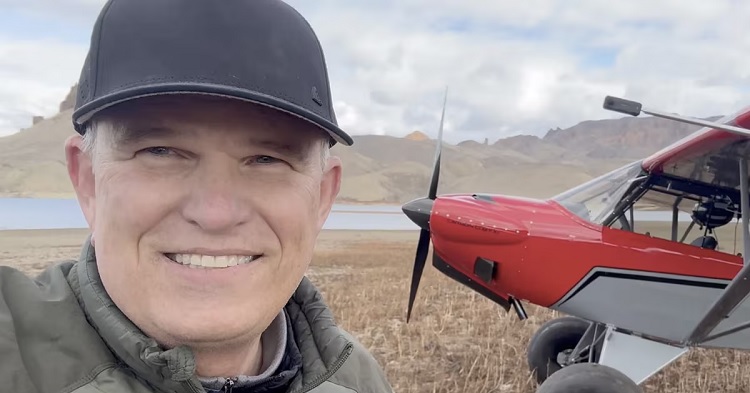
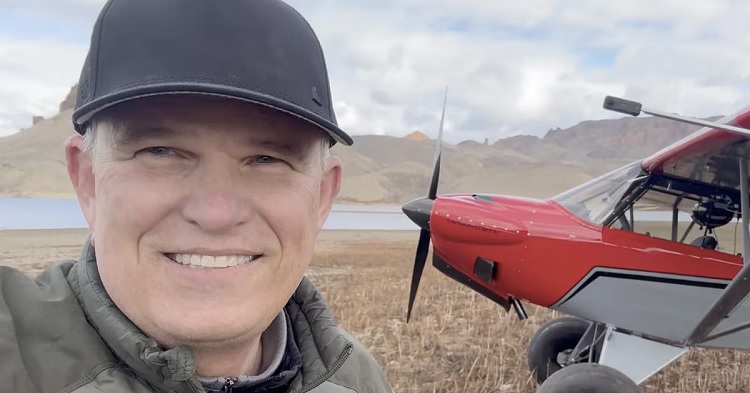
A peaceful winter morning in rural Idaho turned somber when a small airplane went down on the ice-covered Payette River near Emmett. The crash claimed two lives, including that of Roland Steadham, a respected CBS2 meteorologist, seasoned pilot, and cherished husband, father, and grandfather. For countless viewers across the Treasure Valley, he was more than a familiar face on television—he was a steady guide through Idaho’s fiercest weather and a reassuring presence during long winters and blistering summers.
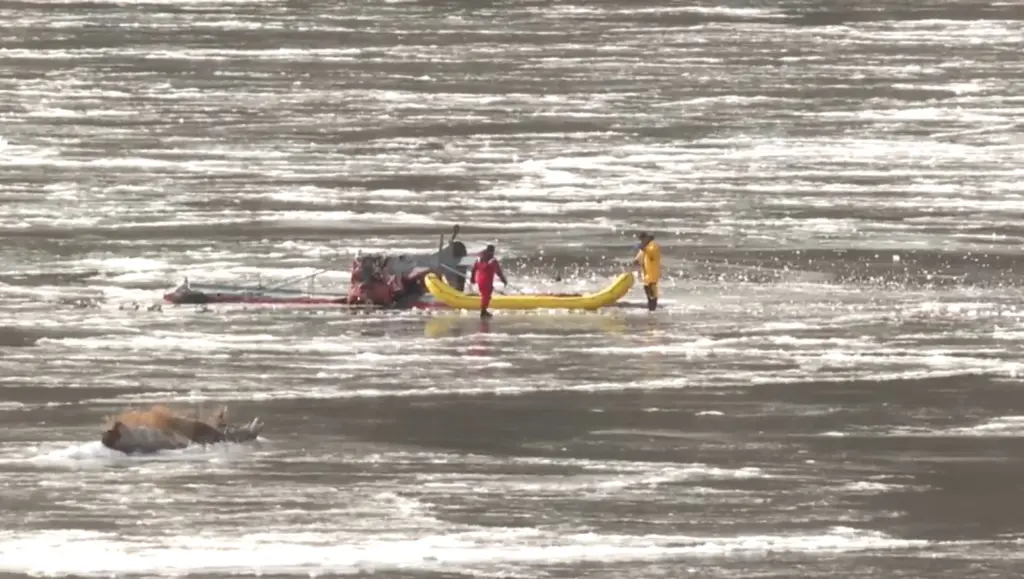
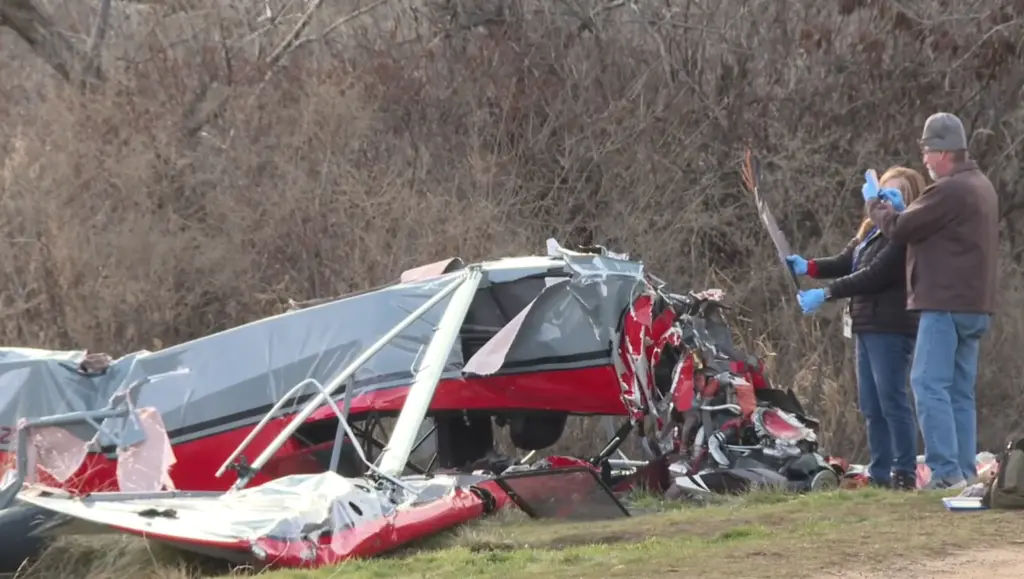
Authorities reported that the aircraft lost contact at approximately 10:55 a.m., roughly twelve minutes after departing from the Emmett Airport. Early indications from the Gem County Sheriff’s Office suggest the plane clipped a power line before coming down on the frozen surface of the Payette River. Rescue teams braved frigid conditions in an urgent effort to reach the wreckage, but tragically, there were no survivors. Officials have not yet released the identity of the second person on board, and the community waits with heavy hearts for more details.
In the hours after the crash, images from the scene showed crews working from the water and along the riverbanks, navigating biting winds and freezing spray. It was a stark reminder of how quickly the Idaho landscape can turn from beautiful to unforgiving, even for those who know it well. As the news spread, homes and workplaces across the region fell quiet. People paused, remembered, and shared their stories of a man who had guided them through severe storms and sunny days alike.
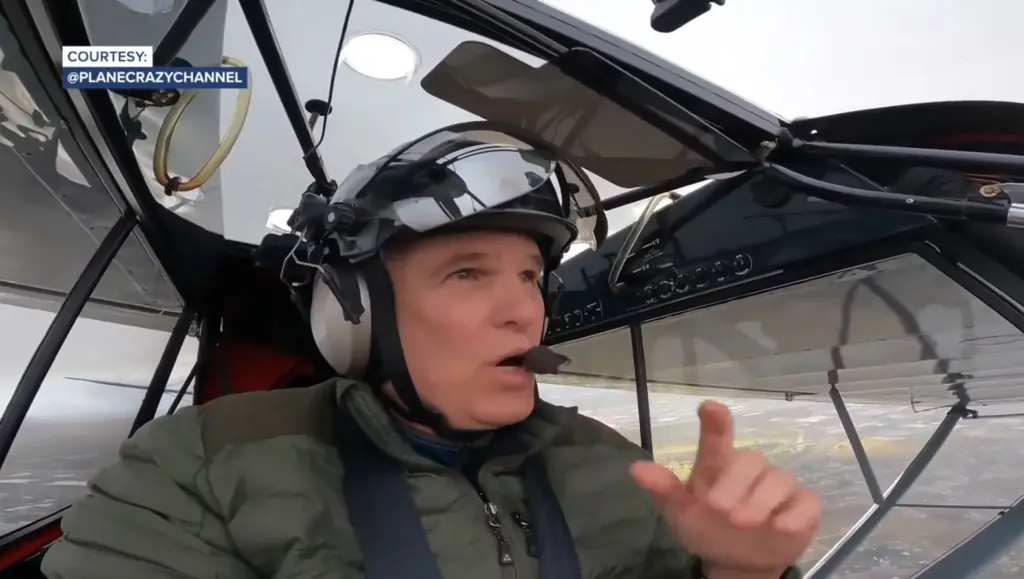
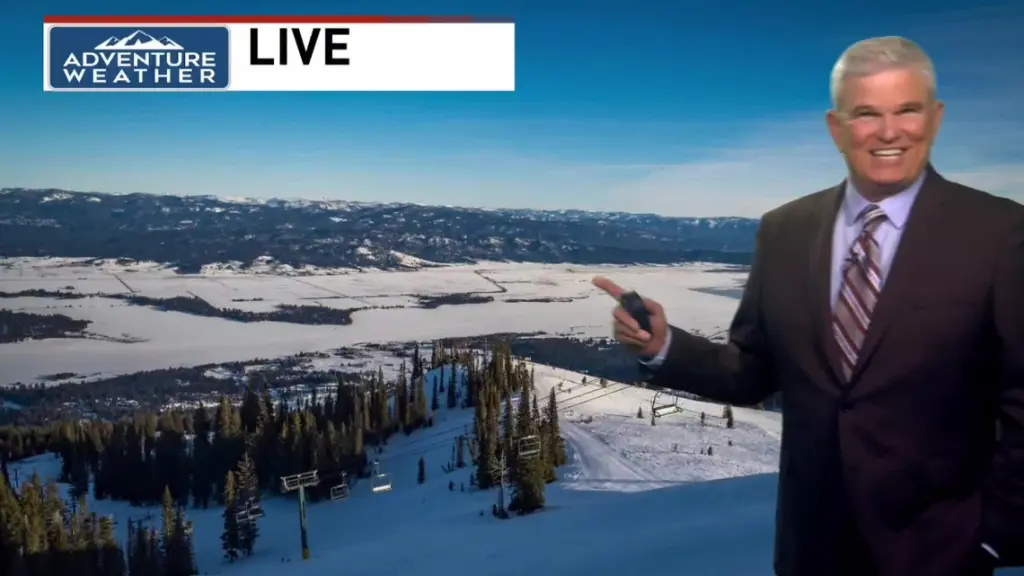
Roland Steadham was 67 years old. To Boise-area viewers, he was a trusted professional whose forecasts felt like friendly visits. He had a gift for turning complex science into everyday wisdom, helping families plan school days, commutes, and backyard barbecues. His calm voice and warm smile steadied nerves when winter snow threatened travel or summer heat brought wildfire smoke and poor air quality.
Alongside his broadcasting career, Steadham nurtured a lifelong love of flying. Those who knew him say the sky was his second home. CBS2 reported that he regularly flew a small aircraft out of Emmett and had logged more than 3,000 hours in the air. That level of experience reflects dedication and care—hallmarks of a pilot who treated aviation not as a pastime, but as a craft. Colleagues and friends emphasized that flying was a source of wonder and focus for him, a place where precision and joy met.
Just a week before the crash, Steadham visited the aviation program at the Payette River Regional Technical Academy. Instructor Jim Baker remembered how he encouraged students to reach toward their dreams. “The last thing he said before leaving class was, ‘I’ve enjoyed years of flying … it’s been so good to me … and I’d really encourage you guys to pursue aviation,’” Baker recalled. Those words, once a gentle nudge for young people taking their first steps into the air, now read like a final blessing from a mentor who wanted others to find the same inspiration he had found above the clouds.
Steadham’s sense of adventure wasn’t confined to the cockpit. He was an avid skydiver who embraced life with optimism and courage. Education mattered to him, and he pursued it fully—earning degrees from Brigham Young University and the University of Utah. His broadcasting journey took him across the country: Miami’s NBC affiliate WTVJ, Salt Lake City’s CBS affiliate KUTV, and ABC affiliate KTVX, before he made Boise his home and became an integral part of CBS2’s team.
Viewers who welcomed him into their living rooms for years have been sharing heartfelt tributes. One Idaho resident reflected, “He always had time to talk about the weather and his love of flying his plane.” Another person wrote, “We lost a beautiful person today doing what he loved.” The messages echo a common theme: Roland didn’t simply appear on screen; he made connections that felt neighborly and sincere. He translated wind patterns, storm tracks, and pressure systems into simple decisions—what coat to wear, whether to delay a road trip, when to water the garden, and when to hunker down.
Professionally, he was admired for accuracy and clarity. Personally, he was admired for kindness. Those who worked beside him describe a colleague who lifted others up, listened closely, and shared credit easily. Viewers saw that generosity, too, in the way he congratulated kids after a snowy school closure, or reminded families to check on older relatives during a heat wave. He used his platform to help people prepare, protect, and plan—a form of service as vital as it was humble.
As investigators examine what happened on the river, authorities will work step-by-step to understand the chain of events. Federal and local teams typically review radar and tracking data, inspect aircraft components, and interview witnesses. They gather weather information, look at maintenance records, and study the environment around a flight path—including obstacles like power lines. These comprehensive reviews often unfold over weeks and months, and preliminary findings are followed by more detailed reports. For families and friends who are grieving, the process can feel achingly slow; yet it is designed to bring clarity, prevent future tragedies, and honor those who were lost.
Winter flying can present unique challenges that even experienced pilots treat with deep respect. Cold air is dense and can benefit lift, but icy conditions on the ground, along rivers, and aloft demand careful planning. Pilots evaluate temperature, wind, visibility, and the possibility of icing—tiny layers that can form on wings and propellers. Navigating near power lines or other obstacles, particularly in unfamiliar terrain or during low-level flight, requires caution and clear visibility. These are general considerations that aviation communities continually discuss and train for, reinforcing the principle that skill and vigilance go hand in hand.
Steadham’s life is a reminder that expertise and curiosity can live side by side. He invited viewers to share that curiosity, whether it meant learning how cold fronts bring snow squalls or understanding why a calm fall morning might suddenly turn gusty. He seemed to delight in the everyday science of our skies, and in doing so, he helped people feel a little more at home in a state known for dramatic weather shifts. In the Treasure Valley, where one hillside might be sunny while a neighboring canyon sees fog, that local knowledge and steady delivery made a difference.
The newsroom he helped anchor is now reflecting on his legacy. Across broadcasts and in quiet moments off-camera, colleagues are remembering a teammate who treated the work with seriousness and the people around him with warmth. Viewers have written about the comfort of his voice, the way his smile put them at ease, and the feeling that he was looking out for them. It is a rare thing when a public figure becomes part of the daily rhythm of a community—and rarer still when that presence is as trusted and grounded as Roland’s.
Above all, he loved his family. Roland Steadham leaves behind his wife, six children, and grandchildren who were the heart of his world. Those closest to him speak of a dedicated husband and father who celebrated milestones big and small—a first bike ride, a college graduation, a new job, a holiday table crowded with stories and laughter. The ache of his absence will be felt most deeply at home, but the gratitude for his life will be shared by many who knew him through the screen and in person.
In moments like this, communities often gather in simple, meaningful ways. Candles and flowers appear. A quiet riverbank becomes a place to say a prayer or whisper thanks. People hold doors, make casseroles, and check in on neighbors. Idaho is known for this kind of kindness—the practical kind that shows up, listens, and stays a while. Steadham’s passing has brought out that spirit once again, as viewers, colleagues, and friends reach for one another and remember what he gave them: calm within the storm.
While the official cause of the crash remains under investigation, what is certain is the imprint he leaves behind. He taught without lecturing. He prepared people without frightening them. He made the weather feel understandable and manageable, even during difficult days. That is no small gift. It builds confidence over time, especially for older adults and families who relied on dependable information to make safe choices when the forecast turned rough.
Longtime viewers can likely recall specific broadcasts—a sudden snow squall that snarled traffic, a series of summer lightning storms that raked the foothills, a late spring freeze that threatened gardens. In each case, Steadham’s clear explanations and steady tone gave people the information they needed to protect themselves and look out for loved ones. Many Idaho families will remember a moment when they changed a plan, left work early, or brought pets indoors because of something he said on-air. It is in those quiet choices that his legacy will continue.
For younger people who met him as students, the inspiration he offered may prove lasting. A simple conversation about careers in aviation or meteorology can open a lifetime of learning. The encouragement he gave at the Payette River Regional Technical Academy was not a one-time gesture but part of a larger pattern: showing up for others, sharing what he knew, and inviting the next generation to dream. In classrooms and hangars, and in living rooms where kids asked why the sky looks different after a storm, his approachable style made science feel welcoming.
In time, when reports are complete and headlines have faded, the clearest memories will be personal ones: a reassuring forecast before a big trip, a brief chat in a grocery aisle about cloud cover, or the way he celebrated a sunny weekend after a long wet spell. Those everyday interactions reveal the heart of public service. Steadham served not only by speaking, but by listening—hearing what people needed to know, and answering with patience and care.
The Idaho landscape that he loved—the rivers, valleys, and mountains that shaped his work and play—will keep changing with the seasons. As winter loosens its grip and the Payette flows again, many will think of him. They will remember a man who embraced challenge and discovery, who treated colleagues like friends, and who spoke clearly and kindly in good times and hard ones.
For now, the community grieves and gives thanks. Grieves, because a good man is gone far too soon. Gives thanks, because his life offered so much to so many—steadiness in storms, joy in blue skies, and encouragement for those just starting out. In the days ahead, investigators will do their careful work, families will gather, and friends will share stories. Through it all, the memory of Roland Steadham will remain a touchstone, reminding us to take care of one another and to look up, even on the coldest days, with a little more wonder and a lot more grace.
May his family find comfort in the love surrounding them. May colleagues and viewers carry forward his example of service. And may the skies he loved so much now hold him in peace.