A quiet New England childhood that shaped a future star
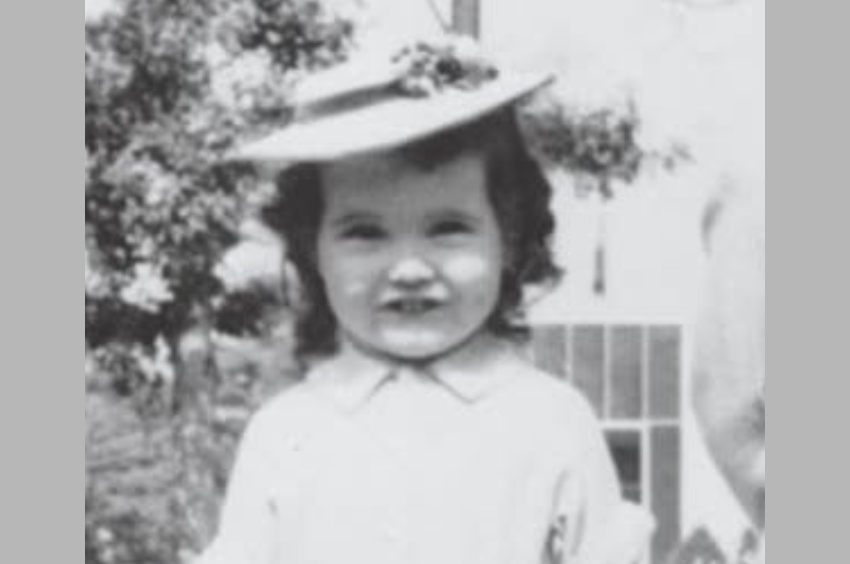
For many movie lovers, her face is instantly familiar. She is an Oscar-winning talent whose work has delighted audiences for decades. Yet long before the magazine covers and the warm glow of red carpets, she was a reserved, thoughtful girl from a small town in Massachusetts, learning big lessons about life, kindness and resilience the old-fashioned way.
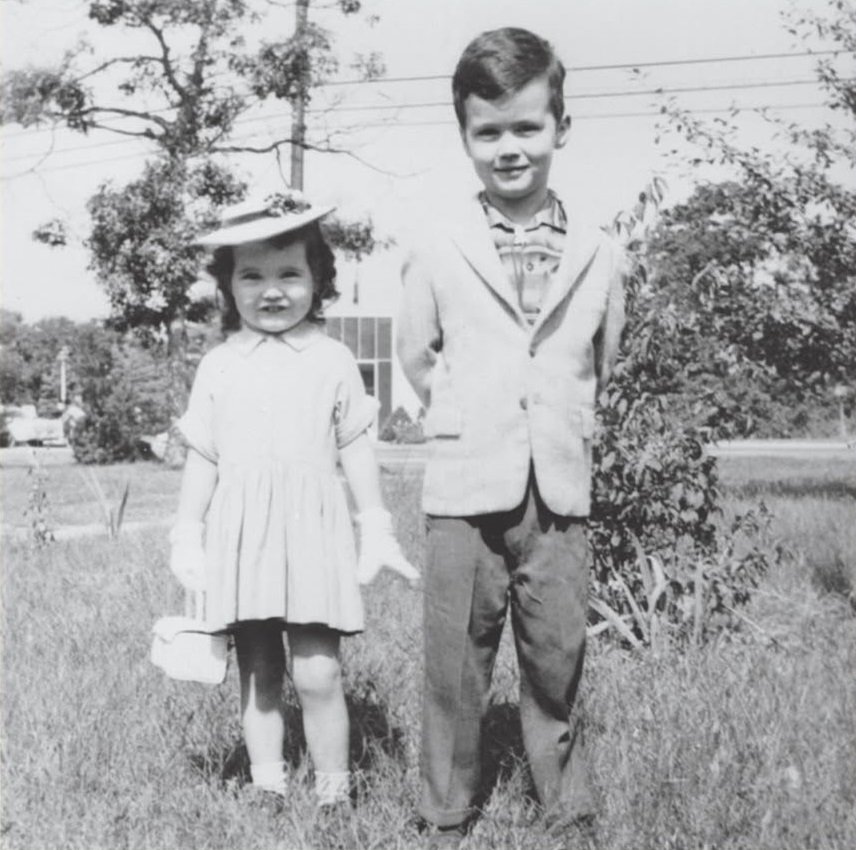
Her home life was simple and steady. The family valued hard work, good manners and modesty. They heated the house with wood, planted and picked food from the garden and counted on one another. It was a life with few frills and plenty of grit, the kind of upbringing that asks you to pitch in, keep your word and treat people with respect. As she would later share, that foundation stayed with her through every twist and turn that followed.
Even as a child, she was drawn to stories. While some children dream of singing onstage or dancing in the spotlight, she found herself fascinated by the act of becoming someone else and giving life to a character. Pretending felt like a safe way to explore the world. It helped her make sense of feelings that were sometimes hard to name and gave her a quiet confidence she did not always feel in everyday life.
A frightening brush with danger at eight years old
One childhood memory stands out for its fear and its lesson. She was eight years old, riding in a car with an elderly relative. Somewhere along a familiar route, the car began to drift toward oncoming traffic. In the split second when everything seemed to slow down, she felt both terrified and unsure of what to do. The danger passed by a hair, but the moment stayed with her.
In the household where she grew up, politeness and deference to adults were expected. That day left her with a complicated thought that would take years to untangle: sometimes, being too quiet can carry its own kind of risk. She later understood that speaking up, even when it feels uncomfortable, can be an act of care—for yourself and for others. That small yet powerful idea would guide her again and again as she faced challenges much larger than an ordinary afternoon drive.
Pain carried in silence—and the strength to name it
In time, she revealed another chapter that had lived in the shadows of her childhood. In her memoir, she shared that she had been abused by a neighbor when she was young. It was a painful truth and not one she could speak about easily for many years. Like so many who have experienced harm, she carried it quietly, not wanting to upset others, unsure how to find the right words and uncertain whether she would be believed.
When she eventually chose to speak, she did so with care and courage. Naming what happened did not change the past, but it changed the weight she had been carrying. It opened the door to healing, to better boundaries and to a deeper empathy for the stories other people keep tucked away. Her willingness to be honest, without sensational detail, became part of her broader purpose: using her visibility to make space for difficult truths and for the possibility of recovery.
Standing tall in more ways than one
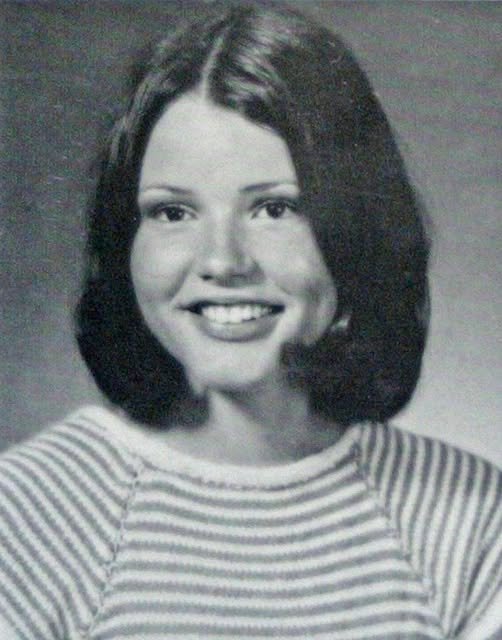
School brought its own set of challenges. She sprouted up fast and stood taller than many of her classmates. For a young person already wrestling with shyness, the attention felt unwelcome. Teasing about her height chipped away at her confidence and made the hallways feel longer than they were. She often felt out of step, as if everyone else knew the dance and she had missed the first lesson.
And yet, height gave her something useful too. It helped her recognize what it feels like to be singled out, which sharpened her sense of fairness and gave her a warm regard for anyone who seemed different or left out. She found comfort in reading and in the school plays, where the stage made room for complicated feelings and where being different could become an advantage rather than a burden.
After college, she decided to bet on herself. She packed her patience and her ambition and made her way to New York City. Those first years were anything but glamorous. She worked the kinds of jobs that keep the lights on and the rent paid, and she knocked on a lot of doors. Modeling began to open a few of them. Little by little, she found work with well-known brands and in catalogs. Each job became a stepping stone to the next.
That growing exposure brought her to the attention of people who make movies, people who were always on the lookout for fresh talent and a certain spark you can’t quite teach. The curiosity that had drawn her to storytelling as a child was beginning to find its outlet on a bigger stage.
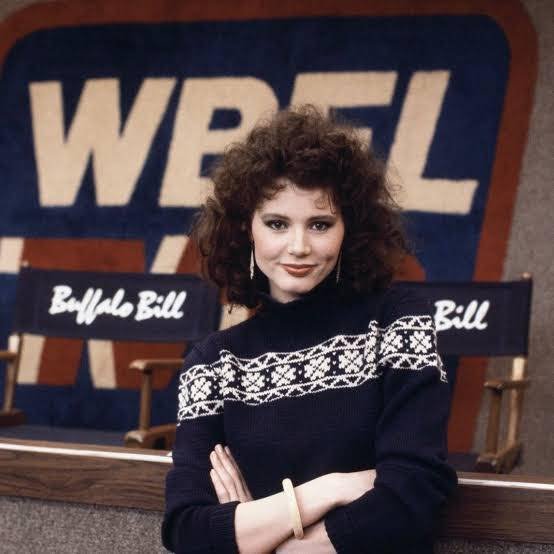
The first big break and a door that swung wide open
Her early efforts soon led to a turning point: director Sydney Pollack cast her in Tootsie, a clever and highly regarded film that introduced her to a wide audience. The part was not the biggest in the movie, but it was memorable, and it did what a first break is supposed to do—it made the next break possible. Casting agents took notice. Directors took meetings. And she, who had once felt so unsure of her place in the world, discovered that the camera could be a welcoming home.
From there, the projects grew in size and scope, and so did the trust that audiences placed in her. She moved with ease between comedy and drama, between grounded stories and larger-than-life adventures. In time, one performance earned her film’s highest honor, the Academy Award, a moment that recognized not only talent but also years of persistence, preparation and quiet courage.
Along the way, she helped create some of the big-screen moments that moviegoers still talk about. She showed that strength and vulnerability can live comfortably in the same character, that wit can be as powerful as a dramatic monologue and that a woman can drive the story forward with both heart and command. Those roles gave people a way to see themselves and to dream a bit bigger.
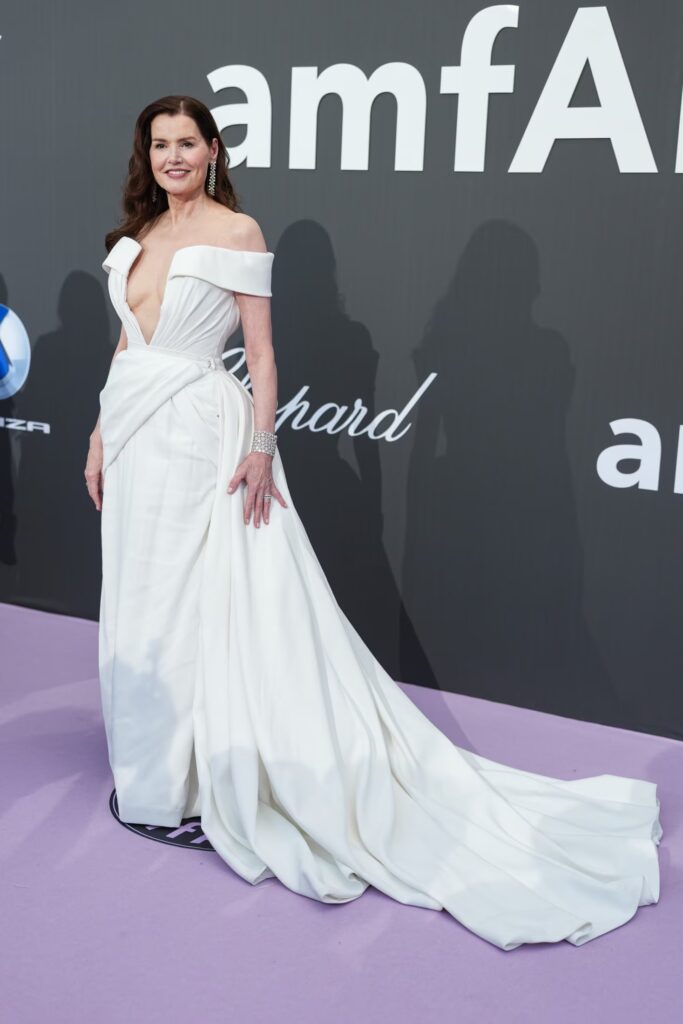
A calling larger than the spotlight
As her career matured, her focus widened. Becoming a mother later in life gave her a new lens on the stories we tell and the messages those stories send to children. Watching television and movies with young eyes beside her made certain questions feel urgent. Who gets to be the hero? Whose voice is heard? How do we shape expectations—about girls and boys, about leadership and friendship—without even noticing?
Rather than simply wishing for change, she built the tools to measure it. She founded the Geena Davis Institute on Gender in Media to study representation in film and television. The idea was straightforward but powerful: count what you see so you can change what you make. With research in hand, studios and creators could no longer say, we did not realize. They could see the numbers. They could see the gaps. They could choose to do better.
Her institute championed practical solutions. If a crowd scene is mostly men, that can be adjusted. If the doctor is always a man and the nurse is always a woman, that can be flipped. If a script has a dozen named characters but only two are women with lines, that can be rewritten. None of these changes harm a story. In fact, they enrich it and open the door to bigger audiences who feel welcomed and recognized.
In interviews and speeches, she often returned to a simple message: when people see themselves on screen, they can imagine more for themselves in life. That belief echoes her own path, from a quiet girl in Massachusetts to a performer whose work helped shape how an entire generation thought about possibility. She used her fame not as a finish line but as a platform to invite others up to the stage.
Continuing to create, to advocate and to inspire
Now in her seventies, she remains a thoughtful, steady presence in entertainment. She still chooses roles that interest her, and she continues to lend her voice to conversations about inclusion and opportunity. Age, for her, is not a limit but a vantage point. It gives her perspective on how far she has come and clarity about the work still to do.
People who meet her often describe a calm confidence and a quiet curiosity. Those qualities are not accidents. They were forged in the routines of her childhood home, in the frightening moment on the road when she was eight, in the silence she finally turned into speech and in the many rooms where she was once the tallest, least certain person. Each chapter gave her something she would need later—patience, bravery, empathy and a love of craft that does not fade with time.
Her story resonates with anyone who has ever felt out of place or underestimated. It speaks to anyone who has carried a private hurt and still found a way to build a generous life. It reminds us that manners and modesty can live alongside a clear, strong voice and that we can honor where we come from even as we step boldly into something new.
Lessons she offers to anyone building a second, or third, act
There is comfort in the way her life unfolded. She did not have it all figured out at twenty. She tried things, learned, tried again and took the long view. That can be reassuring to anyone standing at a crossroads, especially later in life. You are never too old to start learning a new skill, to speak up for yourself, to look at a familiar path with fresh eyes or to use what you have lived through to help someone else.
Perhaps the most enduring lesson is this: resilience is not about never being knocked down. It is about getting back up, sometimes slowly, with grace. It is about asking for help when you need it and offering help when you can. It is about choosing to believe that your story matters and that telling it might light the way for someone walking behind you.
In her case, the rewards of that resilience are plain to see. A career rich with variety. The respect of peers and fans alike. A lasting impact on an industry that now measures what it once overlooked. And beyond those achievements, there is the quieter victory of a life aligned with her values, the same values that were stacked like firewood in her childhood—work hard, be decent, tell the truth and leave things better than you found them.
A life that honors both where she began and where she chose to go
From a small New England town to the soundstages of Hollywood, her journey has carried both pain and triumph. She nearly lost her life as a child, and she endured harm that no child should ever face. Yet she found a voice and a craft that allowed her not only to survive but to thrive. She forged a career that entertained millions and then used that success to make the path wider for those who would come after her.
The name behind this story is Geena Davis. Her work on screen has become part of our shared memory, and her work off screen continues to ripple outward in ways that will benefit the next generation. She has shown that a person can be many things at once—an artist, a parent, an advocate—and that stepping into each role with integrity can change more than a résumé. It can change an entire culture’s understanding of who belongs in the story.
Today, when she appears on a set or at a podium, she carries all of her chapters with her. The quiet child who loved to pretend. The young woman who took a risk on New York. The actor who seized her moment and made the most of it. The mother and advocate who turned questions into research and research into action. Each one is still there, still learning, still teaching. And together, they form a life that feels both remarkable and deeply human.
Her path reminds us that the past does not have to define the future, that the scars we carry can become sources of wisdom and that a voice first learned in a modest home can, with time and care, be heard around the world. For Geena Davis, the script has always been larger than fame. It is a script about courage, kindness, opportunity and the simple belief that when stories include more of us, they enrich all of us.
That is a legacy worth celebrating, not only on awards night but on the quieter days too, when someone sits down to watch a favorite movie and feels, perhaps without quite knowing why, a little more seen and a little more hopeful about what might be possible next.