
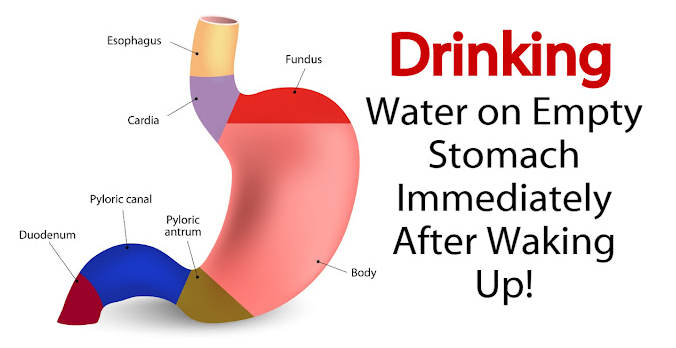
There is something wonderfully simple about starting the day with a glass of water. After a night of sleep, your body has gone several hours without fluids, and a gentle drink helps you wake up, feel refreshed, and prepare your system for the day ahead. Many people call this practice water therapy or simply morning hydration. No matter what you call it, it is an easy habit that fits into any routine and takes only a few minutes.

For adults in midlife and beyond, small daily practices can make a big difference in how you feel. Morning hydration is one of those quiet helpers. It is not a miracle cure, and it does not replace good medical care, balanced meals, or regular movement. But it can support comfort, regularity, and overall well-being in a safe, straightforward way.
Think of it as a morning reset. Water helps your body switch from resting to ready. By rehydrating first, you give your digestive system, circulation, and brain the signal that the day is beginning, and you do it in the most natural way possible—without stimulants, supplements, or complicated steps.
THIS IS HOW TO DO PERFORM THE WATER THERAPY:
Begin by making water easy to reach. Place a clean glass or a refillable bottle by your bedside or in the kitchen where you brew your morning tea or prepare breakfast. As soon as you rise, sit comfortably and take your time. Sip your water slowly rather than gulping it down. Many people find that one medium glass—about eight to twelve ounces, or 250 to 350 milliliters—feels just right first thing in the morning.
If you prefer, you can start with a smaller amount and build up gently over a week or two. Your body will tell you what feels comfortable. The goal is not to force a large volume, but to rehydrate in a calm, steady way. When you finish your glass, give yourself a short pause before coffee, tea, or breakfast. Many people like to wait about twenty to thirty minutes to allow the water to settle and to notice how their body feels.
Continue drinking water throughout the day according to your thirst, your activity level, and the weather. Morning hydration is the first step, not the only step. If you take medications in the morning, follow your clinician’s guidance on timing and whether to take them with water on an empty stomach or with food. A simple routine that fits your health needs is the most effective routine.
Why a Morning Glass of Water Helps After Sleep
Overnight, most people go six to eight hours without any fluids. Even if you do not feel parched, you are naturally a bit low on water by morning. A glass of water helps replace what you have used through breathing and normal body processes while sleeping. This gentle rehydration can help ease morning grogginess and support clear thinking as you start your day.
Water also helps your digestive system wake up. When you drink, your stomach and intestines receive a friendly signal to get moving. Many people notice that a morning drink makes their digestion feel more regular, particularly when paired with a balanced breakfast and a comfortable amount of daily movement. If occasional constipation is a concern, consistent morning hydration can be a helpful part of your toolkit.
Your circulation benefits as well. Blood is largely water, and a well-hydrated body circulates nutrients and oxygen more efficiently. For some, that first glass helps ease the transition from lying down to standing up, reducing that light, heady feeling some people notice after getting out of bed too quickly. Taking a moment to sit, breathe, and sip also creates a calm start, which sets the tone for the hours ahead.
How Much Water Is Right First Thing?
The ideal amount varies from person to person. A good general starting point is about one glass, which is around eight to twelve ounces or 250 to 350 milliliters. If that feels like too much at once, begin with half a glass and add a little more each day. If you wake up very thirsty or live in a hot, dry climate, a bit more may feel natural. The key is comfort and consistency rather than chasing a specific number.
Be mindful if you have a medical reason to limit fluid intake. Some health conditions, such as certain heart or kidney issues, or specific medications, may call for fluid limits. If a clinician has asked you to track or restrict your fluids, check with them before changing your routine. Morning hydration can still be done thoughtfully, but it should fit your plan.
If you tend to wake during the night to urinate, focus on the timing of your fluids. Try to enjoy a steady amount of water during the daytime and naturally taper off in the evening, while still giving yourself that first glass in the morning. Over a week or two, many people find the right balance that supports both comfort and good sleep.
What About Water Temperature?
There is no single best temperature. Choose what feels soothing to you. Room-temperature water is gentle on the stomach and easy to drink when you first wake up. Slightly warm water can feel especially pleasant if you often experience morning stiffness or a sensitive stomach. Cool water is refreshing for those who wake feeling warm. The benefit comes from the water itself, not the exact temperature, so follow your preference.
Some people enjoy adding a slice of lemon for flavor. That is optional and mainly for taste. If citrus does not agree with you, plain water is perfect. If you take medications that interact with citrus, plain water is the safest choice.
Setting Yourself Up for Success
Small cues make a new habit easier. Fill your glass before bed and place it where you will see it in the morning. If you prefer fresh, cold water, keep a bottle filled in the refrigerator and set it on the counter when you first stir. You might even place a gentle reminder note by the kettle or coffee maker so your morning water comes before your tea or coffee without any extra thought.
Give yourself a calm minute to sip. Sit at the edge of the bed or at the kitchen table, breathe, and notice how the water feels. Many people find that by slowing down for this moment, the rest of the morning goes more smoothly. The practice can become a quiet anchor in a busy day.
Safety and Comfort Considerations
As with any health practice, comfort and safety come first. If you have heart failure, kidney disease, are on dialysis, or have been instructed to follow a fluid-restricted plan, ask your clinician how much water is appropriate on waking. If you take water pills or diuretics, the timing of your dose may influence when and how much you drink in the morning.
If swallowing is sometimes difficult, choose small sips and a temperature that feels most comfortable. Sitting fully upright can help. For those with acid reflux, room-temperature or slightly warm water may feel easier than very cold water first thing. If you ever experience coughing while drinking, slow down and take smaller swallows.
It is possible to overdo water if you drink very large amounts in a short time. There is no need to force multiple large glasses immediately upon waking. Steady, relaxed sipping is the goal. If you notice swelling, shortness of breath, or other unexpected symptoms related to fluid, contact a healthcare professional.
Morning Water and Medications
Many medications are best taken with a sip or a full glass of water, while others require food. Follow the instructions provided with your prescription and any guidance from your clinician or pharmacist. If a medicine causes stomach upset on an empty stomach, you might schedule your morning water, a light snack, and the dose in a way that works for you without rushing.
For those who monitor blood pressure, it can be helpful to take your reading at a consistent time and under similar conditions. If you usually check blood pressure soon after waking, you might do it before your morning water for consistency, or always after you finish your glass—whichever routine you choose, keep it the same so your readings are easier to compare.
Common Questions
People often ask whether morning water will replace coffee or tea. It does not need to. Enjoying your coffee or tea after a glass of water can feel even better. The water takes the edge off overnight dryness, and your favorite warm drink can be a pleasant next step. Others wonder whether sparkling water is acceptable. Plain, still water is gentlest on an empty stomach, but if lightly carbonated water agrees with you, that can be fine too. Pay attention to how your body responds.
Another question is whether you must wait a specific amount of time before breakfast. There is no strict rule. Waiting about twenty to thirty minutes is comfortable for many people and gives your body a chance to absorb the water and wake up your digestion. If your morning is busy, even a shorter pause is helpful. The most important part is making the habit fit your life so you keep it going.
Some people are curious about claimed detox benefits. Your body already does an excellent job of clearing what it does not need through the liver, kidneys, lungs, and skin. Water supports those natural processes by keeping everything moving smoothly. Think of morning water as gentle support for what your body is built to do, not as a cure-all.
A Simple Morning Routine You Can Try
When your alarm goes off, take a calm breath and sit up slowly. Reach for your glass of water and take your first comfortable sip. Feel free to pause, look out the window, and give yourself a moment. Over the next five to ten minutes, finish your glass at an easy pace. If you like, stretch your arms or roll your shoulders as you sip to help your body loosen up.
Set the empty glass in the sink and move on to the rest of your morning. Perhaps you prepare breakfast, take medications as directed, or enjoy a walk. Notice whether your mouth and throat feel more comfortable and whether your stomach feels more settled than on the days you skip your morning glass. Over the next week, see how your body responds to this steady start.
With time, your morning water can become as regular as brushing your teeth. It is a small promise you keep to yourself—a moment that says, today matters and I am taking good care of myself, one simple step at a time.
Adjusting the Habit to Fit You
Every person is different, and your routine should reflect that. If you often wake up very early and do not feel ready for a full glass, start with half and enjoy the rest after a short walk or light breakfast. If you exercise in the morning, your water before activity will support you, and you can continue to sip during and after movement. If arthritis or stiffness makes mornings slow, slightly warm water may be soothing as you begin your day.
Travel and holidays can disrupt routines, but water is a habit you can take with you. Whether you are staying with family, at a hotel, or hosting guests, keep a glass or bottle nearby so your morning begins on a familiar, comfortable note. It is one of the easiest ways to maintain a sense of steadiness when schedules change.
Pairing Water With Other Supportive Habits
To make the most of your morning water, consider pairing it with one or two other gentle practices. A short breathing exercise, a few minutes of sunlight by a window or on the porch, or a simple stretch can complement your glass of water and help your body and mind wake up together. None of this needs to be long or complicated. Even a minute or two can set a positive tone.
Later in the day, respond to your thirst and to the weather. Warmer days, higher activity, or time spent in dry indoor air can all increase your need for fluids. Foods with higher water content, such as soups, stews, fruits, and many vegetables, also contribute to hydration and can be especially pleasant during cooler months.
The Gentle Benefits You May Notice
Over several days or weeks of consistent morning hydration, many people report small but meaningful differences. Your mouth may feel more comfortable, your skin less dry, and your digestion more regular. Some notice fewer headaches that come from mild dehydration. Others simply enjoy the ritual—the quiet moment of care before the day’s responsibilities begin. These are steady, realistic benefits that arise from supporting your body in a simple, reliable way.
If you do not notice a big change at first, give it time. Like most healthy habits, the effect is gradual. What matters most is choosing an amount and a pace that feel good to you and sticking with it, even on busy days. If you ever have questions about how this routine fits with your health conditions or medications, a quick conversation with your clinician can provide personalized guidance.
The Bottom Line
Drinking water on an empty stomach immediately after waking is a gentle, practical way to begin the day. It helps you rehydrate after a night’s sleep, can encourage comfortable digestion, and supports steady energy and clear thinking. Keep the routine simple: place water where you can see it, sip at an easy pace, and let it become a calm part of your morning. Choose an amount that feels right, be mindful of any medical advice about fluids, and enjoy the sense of well-being that grows from a small habit practiced consistently.
However you shape the details—room-temperature or warm, eight ounces or a bit more, sipped at the bedside or the kitchen table—the heart of the practice is the same. You are offering your body what it needs to greet the day. That kindness to yourself pays steady dividends, one glass at a time.



