
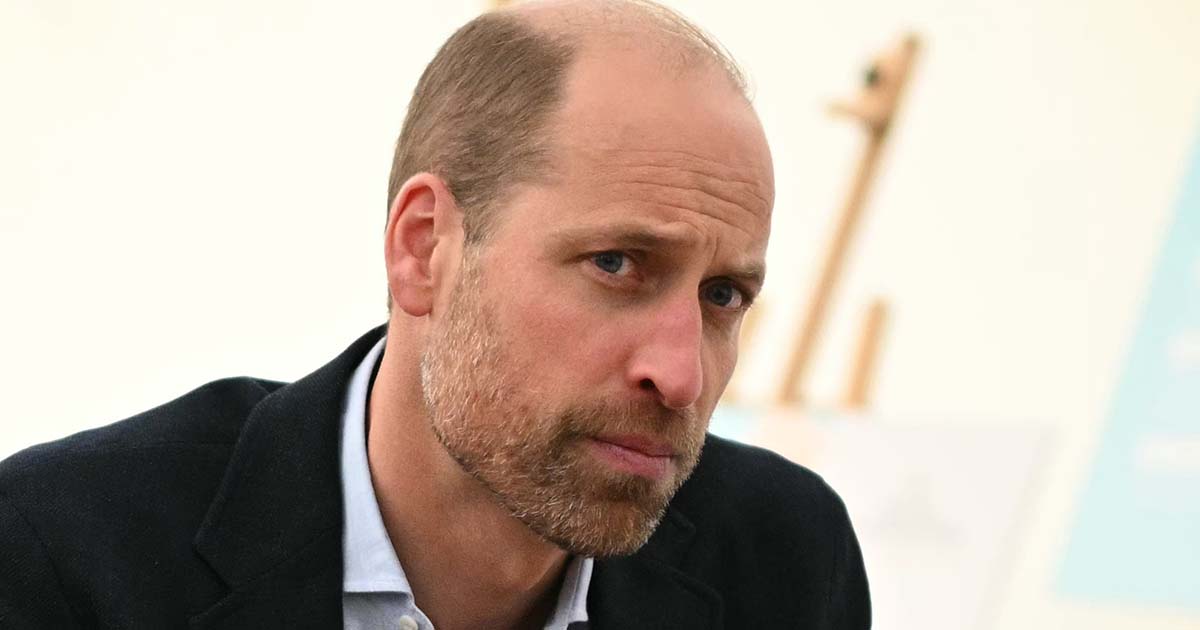
Across the generations, the British monarchy has thrived on a delicate balance of tradition and public trust. Today, that balance is being tested in new and sometimes uncomfortable ways. As opinions about the Royal Family shift and news travels at the speed of a tap on a phone screen, moments of uncertainty can quickly grow into full-blown speculation. That is why the simple act of speaking clearly and kindly to the public matters more than ever—especially for Prince William.
Under the reign of King Charles, Prince William has stepped into a more visible, weighty role. Every choice he makes, large or small, is watched closely. Last autumn, when he appeared with a neatly kept beard, a harmless personal decision prompted a wave of commentary about his appearance and well-being. Online chatter spun into rumors, some of which suggested he looked thin or unwell. None of this was confirmed, and yet the conversation took on a life of its own because silence left a gap for guesswork.
It is understandable that a person in the public eye, royal or not, would want to keep health matters private. Health is deeply personal. Still, there is a middle ground between oversharing and saying nothing at all. A brief reassurance, a short interview, or even a calm statement can do a great deal to ease concern, discourage rumor, and remind people that there is a real human being behind the headlines.
Tradition of silence, age of speculation
The Royal Family has long followed the approach sometimes summed up as “never complain, never explain.” That restraint served a purpose in a different media era. It lent stability and dignity, and for many years it carried the day. But the news environment has changed. Today, a whisper travels across the world in minutes. If the Palace does not speak, others will speak for it. That imbalance rarely benefits the royals or the public who care about them.
Recent years have shown just how quickly silence can harden into narrative. Accusations and rumors—about relationships, family tensions, and private matters—have stacked up while official voices stayed quiet. The lack of comment may reflect a principled choice, but in practice, it leaves people guessing. Guessing breeds mistrust, and mistrust is the one thing a constitutional monarchy, built on public confidence, cannot afford.
Why a few honest words can matter so much
Prince William does not owe the world his medical records, and he should never feel pressured to expose what is rightly private. Yet just as a captain speaks to reassure a ship during heavy seas, a future king can calm the waters with a few measured words. If people are worried, hearing something simple—“I’m well, thank you”—can be more effective than any number of press releases written in formal language.
That small choice carries a larger message. It says, “I know you are concerned. I hear you. I respect you enough to answer.” For many, especially those who grew up watching the monarchy as a unifying symbol in good times and bad, that sense of reciprocity is powerful. It reinforces the idea that the Royal Family is there to serve, to steady, and to stand with the country—rather than to float above it.
Controlling the story before it controls you
When a public figure steps forward to explain something straightforward—such as a change in appearance—it can halt a rumor before it grows legs. In the case of Prince William’s beard, a short explanation would have been more than enough. It might have been personal preference, a period of leave, or even a bit of seasonal change. Without a clear word, a perfectly ordinary choice was left to the mercy of speculation, and the conversation slipped from style to health without any basis.
By taking the lead in such moments, William can shape the narrative rather than be shaped by it. That does not mean long interviews or uncomfortable questions. It can be a pre-recorded message, a respectful chat with a trusted broadcaster, or a spontaneous acknowledgment during a visit. The point is not to satisfy idle curiosity; it is to keep the public anchored in fact when rumors begin to drift.
The cost of staying silent in a skeptical time
Public support for the monarchy is not fixed. Polling in recent years has suggested that confidence has softened. One survey noted that just over half of people in Britain rated the Royal Family as “very” or “quite important,” a noticeable decline from figures reported a decade earlier. The reasons are complex and include the passing of Queen Elizabeth II, immense social change, and the strain of family disputes played out on a global stage.
None of this is irreversible. Trust can be rebuilt with steady, practical steps. But trust is also fragile; every silence that allows rumor to flourish is a small withdrawal from a precious account. If the public begins to feel kept in the dark, doubts seed themselves. Over time, those doubts can grow into indifference, and indifference is far more damaging than criticism. Criticism at least implies engagement; indifference turns away.
A modern monarchy still needs that personal touch
To many people in their fifties and sixties, the monarchy has been a familiar constant through changing times. Even so, many in this age group have also adapted to new ways of getting information. They rely on broadcast news but also see headlines on phones and tablets. They know that life moves quickly. When someone they respect looks unwell in a photograph or seems withdrawn, a moment of reassurance can mean a great deal.
Prince William has long shown a sincere interest in mental health, veterans’ welfare, and frontline services. He has spoken with empathy about stress and the pressures of public service. Those same instincts—kindness, steadiness, and clarity—are perfectly suited to moments like the recent speculation about his health. They offer a way to respect privacy while recognizing the public’s natural concern.
Speaking without oversharing
There is a sensible, respectful middle path. A short statement during a public engagement, a simple remark during a school visit, or a brief pre-recorded message can set the tone. It does not have to be frequent, and it does not need to open the door to prying. Establishing that boundary—“Here’s what I’m comfortable saying, and here’s what remains private”—actually strengthens privacy over time because the public understands where the line is and trusts that important matters will not be left to rumor.
This approach also helps the Palace manage the news cycle. Informing people clearly takes the oxygen away from speculation. It prevents lesser-known outlets or online agitators from carrying the conversation. It keeps focus where it should be: on service, visits, charitable work, and the steady, unshowy business of national duty.
The power of a single interview or statement
One well-judged conversation can set the tone for months. Explaining a personal choice like a beard or gently deflating a rumor about illness would do more than halt chatter. It would signal that this is a royal household that understands the world its people live in. It would show that the family can keep its dignity while also being accessible, and that William himself is comfortable speaking plainly when clarity is needed.
Such a step would not rewrite centuries of royal tradition. It would refine it. The Crown has always adapted, often quietly, to meet the moment. In our time, with so much of life lived in public, reassuring words are a form of service. Done thoughtfully, they reinforce the very qualities people value most in their royals: steadiness, grace, and a sense that they share in the country’s everyday concerns.
Reassurance fosters trust, and trust sustains the Crown
Trust is not granted forever; it is earned and re-earned. When the public sees openness, it responds with patience. In the presence of respect, people are willing to wait, to give space, and to ignore the louder, wilder voices. This is especially true among those who have followed the Royal Family across decades—who remember weddings and jubilees, and who felt the loss of Queen Elizabeth II as a personal sorrow.
For that generation and the rising one, the monarchy’s health depends on the health of its bond with the public. A few reassuring words from Prince William—particularly when speculation gathers pace—could strengthen that bond more effectively than any carefully crafted press note. Humanity is persuasive. When it appears, anxiety eases.
A respectful invitation to lead by example
Prince William has already shown, through his causes and his conduct, that he understands the weight of his future role. He is known for a calm manner and a practical way of speaking. This is a moment to let those qualities lead. It does not require a dramatic change, only a small, steady commitment to being heard now and then, especially when people are confused or worried.
That is not a gamble with tradition; it is a modest investment in confidence. Imagine how a short explanation could have reshaped last autumn’s headlines. The nation would have moved on more quickly, reassured. The focus would have returned to the work, where it belongs. And the Royal Family would have gained a little more credit in the public’s account.
Keeping the monarchy human without inviting intrusion
Some will worry that saying anything at all opens the door to unwelcome questions. That is a fair concern. But boundaries can be firm without being cold. A simple approach can do the job: acknowledge concern, offer a modest update, reaffirm the line between public duty and private life, and return to service. Over time, people come to understand and respect that pattern.
It helps, too, that William and Catherine have long emphasized family, duty, and the ordinary moments that make life feel real. A quick word about a beard, a nod to feeling well, or even a light touch of humor can humanize without inviting gossip. It is the difference between allowing others to define the story and defining it yourself.
Looking ahead with steadiness and good sense
The modern monarchy does not need a wholesale reinvention. It needs the same strengths it has always relied upon—duty, composure, and service—expressed in a way that speaks to today’s public. That public lives in a world of headlines and notifications, where reassurance is a kindness and clarity is a comfort. When people feel considered, they respond with loyalty.
For Prince William, a future king already respected for his compassion and resolve, speaking a little more often about simple, human matters could help turn down the volume of speculation and turn up the volume of trust. It would show that the Crown listens as well as leads. And it would remind everyone that the people who serve under its weight do so as human beings, with ordinary choices and occasional worries, just like the rest of us.
In the end, it is about confidence, not commentary
A brief word from Prince William, especially when rumor swirls, would not be about satisfying curiosity. It would be about caring for the bond between the monarchy and the public. That bond has carried this institution through wars, changes of government, and countless social shifts. It deserves the simple maintenance of occasional, straightforward communication.
There is dignity in silence and there is dignity in speaking. The art is knowing which dignities the moment demands. Right now, in an age of rapid opinion and restless news, a modest, human voice from a future king would do immeasurable good. It would keep the focus where it belongs—on service, on stability, and on the quiet work of bringing people together.
With that in mind, the path forward seems clear. Let tradition stand, but let it breathe. Let privacy remain, but let reassurance be heard. A few kind, plain words, offered at the right moments, could make all the difference—for Prince William, for the Royal Family, and for everyone who looks to them for steadiness in a changing world.



