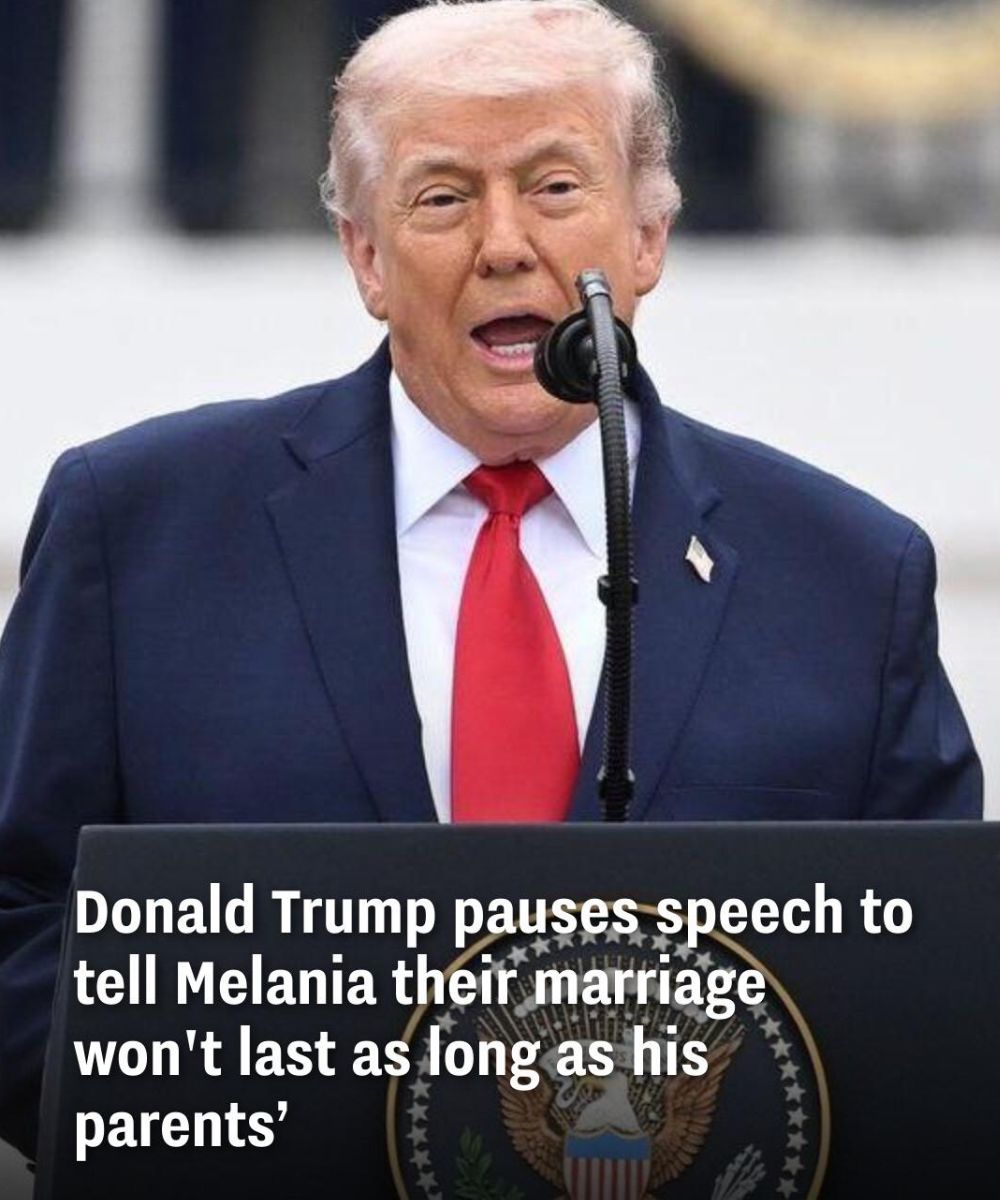
A light, human moment during a formal welcome for King Charles
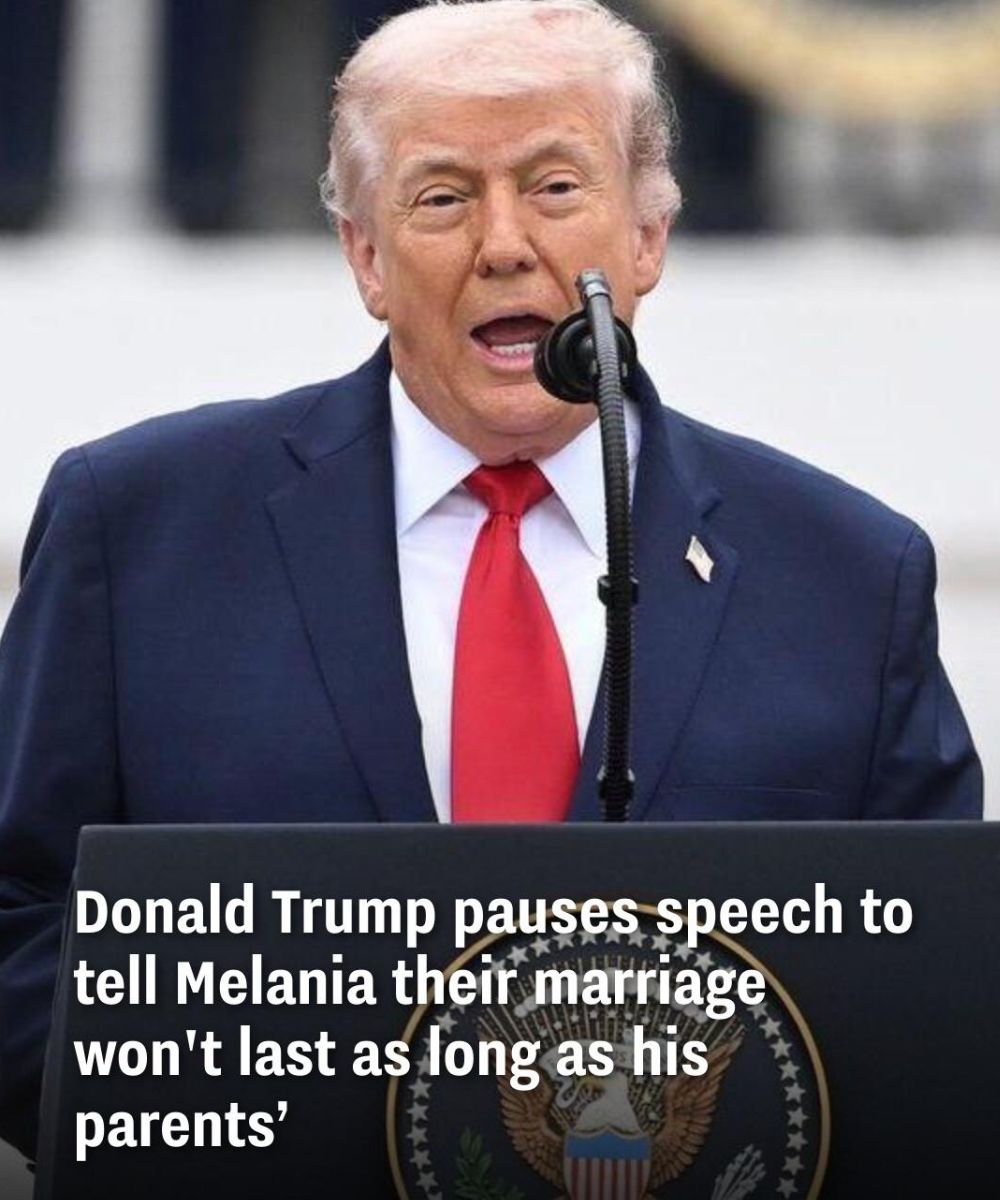
During a ceremonial welcome for King Charles at the White House, a brief and unexpected bit of humor from Donald Trump drew warm smiles and an audible ripple of laughter. In the midst of the formalities, he paused to make a gentle joke about his own marriage to Melania, a line that helped ease the tone of a very public occasion. It was a small moment, but one that felt relatable to many watching at home.
The visit itself is a significant one. King Charles, joined by Queen Camilla, is in the United States for four days to help mark 250 years of American independence. With pageantry, careful planning, and a packed schedule, such visits often mix history with a sense of shared tradition. On this occasion, the tone has been largely warm and upbeat, reflecting the deep and longstanding ties between the United States and the United Kingdom.
Observers noted that the events have proceeded smoothly, save for a minor moment that a few considered a slight break from royal protocol. Even so, nothing about the day seemed tense or uncomfortable. If anything, the mood suggested a cordial gathering of two nations that know each other well and have weathered many seasons together.
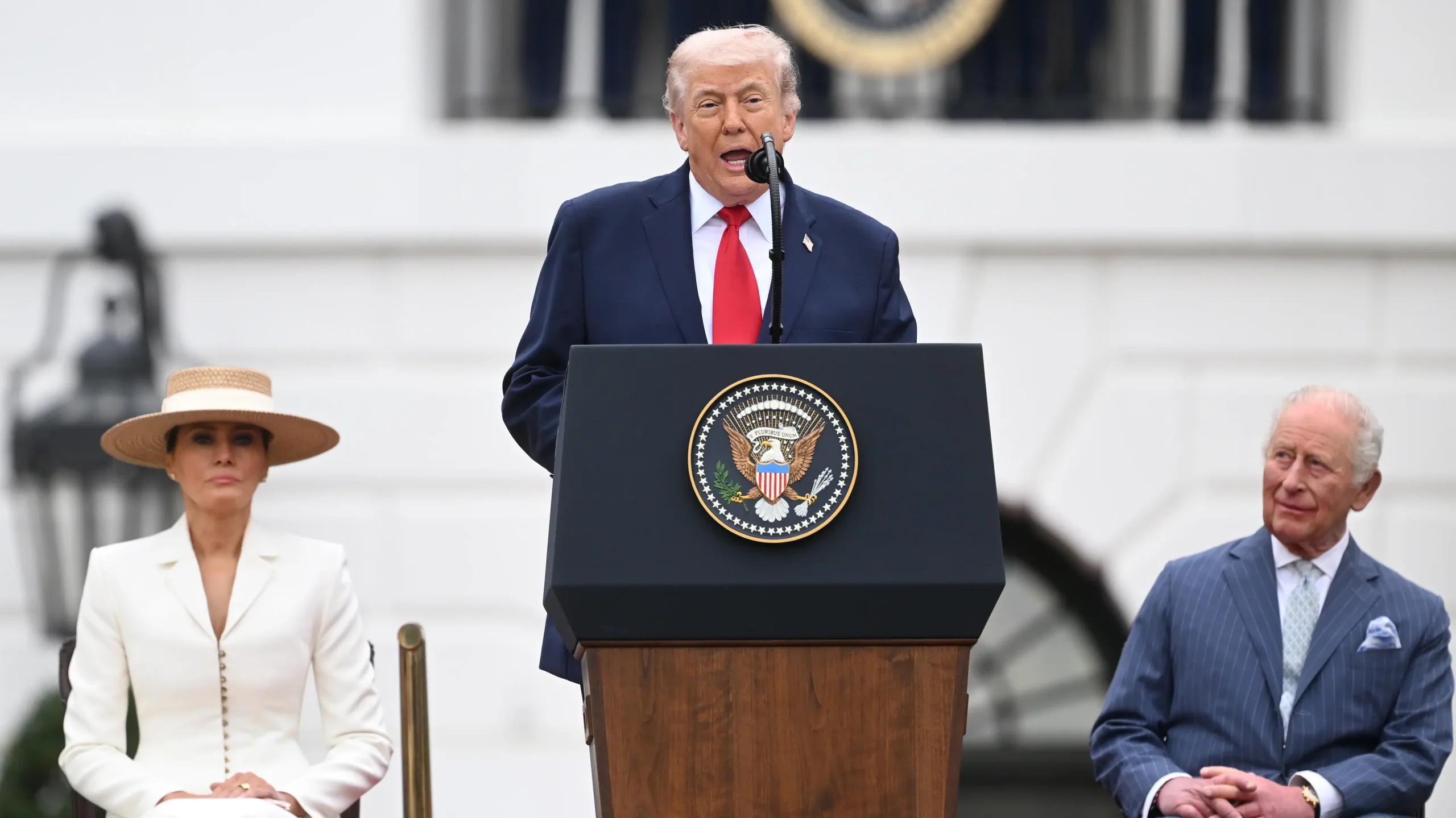
Standing at a podium outside the White House on Tuesday, April 28, Trump took a moment to reflect on his personal connection to the United Kingdom through his mother, Mary Anne MacLeod. He spoke plainly and with clear affection when recalling her roots, and his words bridged the grand setting with the private stories that shape family life.
A nod to family history and a 63-year marriage
He shared that his mother moved to the United States at the age of 19, built a life in a new country, and met Fred Trump, the man who would become her husband for an astonishing 63 years. That figure, perhaps because it is so rare and so impressive, seemed to strike a chord with the audience. Long marriages often do. They carry with them a lifetime of holidays, milestones, quiet routines, and the kind of understanding that only time can build.
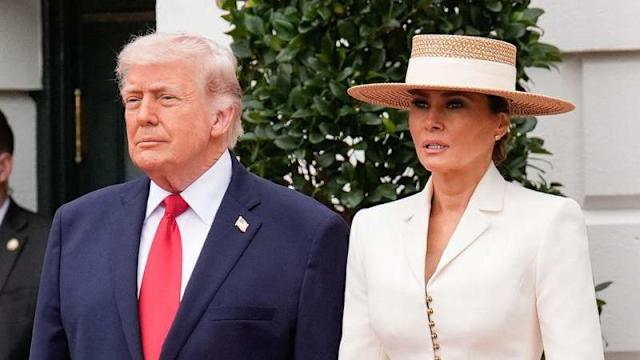
Turning slightly to acknowledge Melania, seated behind him and dressed in white, Trump gently joked, “Excuse me, but that’s a record we won’t be able to match, darling.” The timing was deliberate and the delivery came with a smile, a way of recognizing the math of years with humor rather than melancholy. It was a small, human admission in the middle of a very public speech.
He followed by making it clear that the comment was not a reflection on the strength of their relationship, but instead a realistic recognition that surpassing six decades together simply is not in reach for them. It felt like the kind of lighthearted aside many couples of a certain age might appreciate, especially those who have chuckled over similar thoughts at family gatherings or anniversaries.
Trump and Melania have been married for 21 years and share a son, Barron. Given Trump’s age, now 79, his remark was simply an acknowledgment of time. For couples who have navigated many seasons of life together, such candor can be refreshing. It is both affectionate and grounded, recognizing that while every marriage writes its own story, the length of the book is not the only measure of its meaning.
Balancing ceremony with warmth
The welcome for King Charles was designed to strike a careful balance: ceremonial dignity on one hand and a relaxed, personable tone on the other. These events are steeped in history, yet they are also watched by millions who appreciate a glimpse of humanity behind the podium. Moments of humor, especially those that touch on family, have a way of softening rigid edges and inviting the audience in.
It helps that this visit comes with a strong dose of shared remembrance. The 250th anniversary of American independence is as much about looking back as it is about looking forward. The United Kingdom and the United States have charted a long, sometimes complicated, but ultimately close relationship. Ceremonies like this one extend a hand across the ocean, reminding us that tradition and continuity still matter.
For many viewers, particularly those who have lived through several royal eras and American presidencies, there is comfort in seeing familiar gestures of respect. A formal greeting, an anthem played with care, and a few well-chosen words from the podium can stand as a reminder that diplomacy often rests on courtesy as much as policy.
A fond remembrance of his mother’s admiration for the Crown
In the same speech, Trump also recalled how his mother admired Britain’s royal family, and in particular the late Queen Elizabeth II. He described how she would tune in to watch royal ceremonies on television, noting the formality, the dress, and the way such occasions unfolded with care. The detail felt personal and familiar, the kind of memory many children carry long after their parents are gone.
He even shared that his mother found the young Prince Charles, now King Charles, “charming” when she saw him on television years ago. The memory connected past and present in a gentle way. For those who remember watching early royal broadcasts on black-and-white sets and later on color televisions, it evoked the ritual of gathering in a living room to see a moment of history play out in real time.
These remembrances did more than fill time at a lectern. They offered a thread running from a Scottish teenager arriving in America to a family settled and flourishing. They bridged nations and generations, turning a formal honor guard and perfectly aligned flags into a story about heritage and gratitude.
Reading the room: calm, open, and at ease
Beyond the words, many took note of the overall tone shared by Trump and King Charles. Observers, including body language expert Darren Stanton, remarked that both men appeared relaxed and at ease, with open gestures and no noticeable signs of tension or one-upmanship. In other words, the body language matched the message: cordial, balanced, and cooperative.
For audiences who have watched countless diplomatic events, these are the cues that quietly signal success. A steady posture, natural eye contact, and small, unforced smiles can sometimes accomplish what even the best-prepared talking points cannot. They reassure viewers that, on this day, the aim was mutual respect.
Of course, it is natural that every move is examined closely during a royal visit. Yet across the day’s events, the prevailing impression was that the participants were comfortable with one another and with the surroundings. The setting served them, rather than the other way around, which is exactly how public ceremony is meant to work.
A brief note on protocol and perspective
There was mention of a minor moment that some watchers labeled a break from royal protocol. These observations are common with high-profile visits. Royal etiquette can be complex, and expectations sometimes vary based on context. What matters most is the overall spirit of the exchange, and by that measure, the day remained steady and good-natured.
For those who follow royal traditions closely, it is worth remembering that protocol is designed to support dignity and clarity, not to catch people out. Over the years, many public figures have had small slips or surprises during such occasions, and yet the relationships endure. Politeness, good will, and a willingness to laugh lightly can carry a great deal of weight.
In that context, Trump’s light quip to Melania felt less like a breach and more like a bridge, bringing a human touch to a careful occasion. It did not distract from the purpose of the day. Instead, it briefly reminded everyone that, beneath the titles and offices, family ties and personal stories still matter.
Why the marriage remark resonated
Couples who have been together for decades often measure time as much in routines as in anniversaries: morning coffee, familiar walks, shared glances that say more than words. When someone nods to the limits of time with a smile, it can feel both honest and gracious. That was the texture of the comment about not matching a 63-year record. It recognized a remarkable milestone without pretending it is easy to reach.
There was also something broadly relatable about acknowledging the math. Many who have celebrated silver or ruby anniversaries know the quiet pride that long marriages carry. They also know that life does not always give us the number of years we might wish for, however strong the bond. Accepting that with warmth rather than regret is a form of wisdom.
For those watching at home, particularly people in their fifties and sixties who have navigated a great deal of change, the remark may have landed with a knowing smile. It was, at heart, a compliment to his parents’ endurance and a gesture of affection to his wife. A gentle bit of stagecraft, perhaps, but a sincere one.
The broader canvas: history, family, and shared traditions
Royal visits can sometimes feel distant, but when a speaker weaves in family stories—parents meeting, journeys across oceans, long marriages—they can bring the audience closer. These are the threads that connect the public stage to private experience. They are also the moments that make the formality of ceremonies more welcoming, especially for viewers who have seen many such occasions over the years.
That the welcome took place in the shadow of the 250th anniversary adds another layer. The American story is full of people who crossed water and found new lives. It is shaped by difficult beginnings, settled perseverance, and the drive to build something lasting. A mother leaving a Scottish island at 19 and finding a home in America fits squarely within that broader narrative.
King Charles’s presence, too, speaks to continuity. Those who remember him as a young prince have now seen him shoulder the responsibilities of a king. These transformations are as much personal as they are institutional. When they unfold publicly, they invite people to reflect on their own lives—on what changes, what stays, and what remains important no matter how the years pass.
Seeing the people behind the podium
At events like this, we often hear carefully prepared lines and watch precisely choreographed movements. Yet, every now and then, a simple, good-humored remark slips in and reminds us of the people behind the titles. A husband teasingly admitting that he and his wife will not match a 63-year record does just that. It softens the setting and brings the room a little closer together.
In a way, that is part of the point of public ceremony. It is not only about affirming bonds between nations. It is also about refreshing a shared sense of our common life. Families, after all, form the backdrop for many of our most important public figures. Their joys and sorrows, hopes and worries, are not so different from our own.
By the close of the day, the overall impression was one of a warm exchange between leaders, respectful of tradition yet open to small, human touches. The schedule will continue, as such schedules do, with meetings and toasts and carefully worded statements. But the image that may linger for many viewers is the smallest one: a couple sharing a smile over a simple truth, spoken kindly.
A cordial note to end on
The welcome for King Charles managed to be both formal and friendly—a combination that can be hard to achieve. The light moment between Donald and Melania Trump was in step with the day’s broader spirit, adding a touch of personality without overshadowing the ceremony. It was, in short, the kind of moment that keeps viewers engaged and leaves them feeling that they have seen something genuine.
As the visit unfolds, attention will naturally turn to what is said and done in the days ahead. Yet, for many, the memory of that brief aside will linger. It offered a reminder that while the milestones of marriage and the milestones of history are different in scale, both are worth honoring. And sometimes, the warmest way to honor them is with a smile and a simple, honest line.
When people look back on this visit, they may remember the polished speeches and the pageantry. They may also remember a small, good-natured comment that echoed across a spring day at the White House, carrying with it the spirit of family, the patience of long marriages, and the comfort of shared traditions—exactly the kind of touch that makes public life feel a little more like home.