
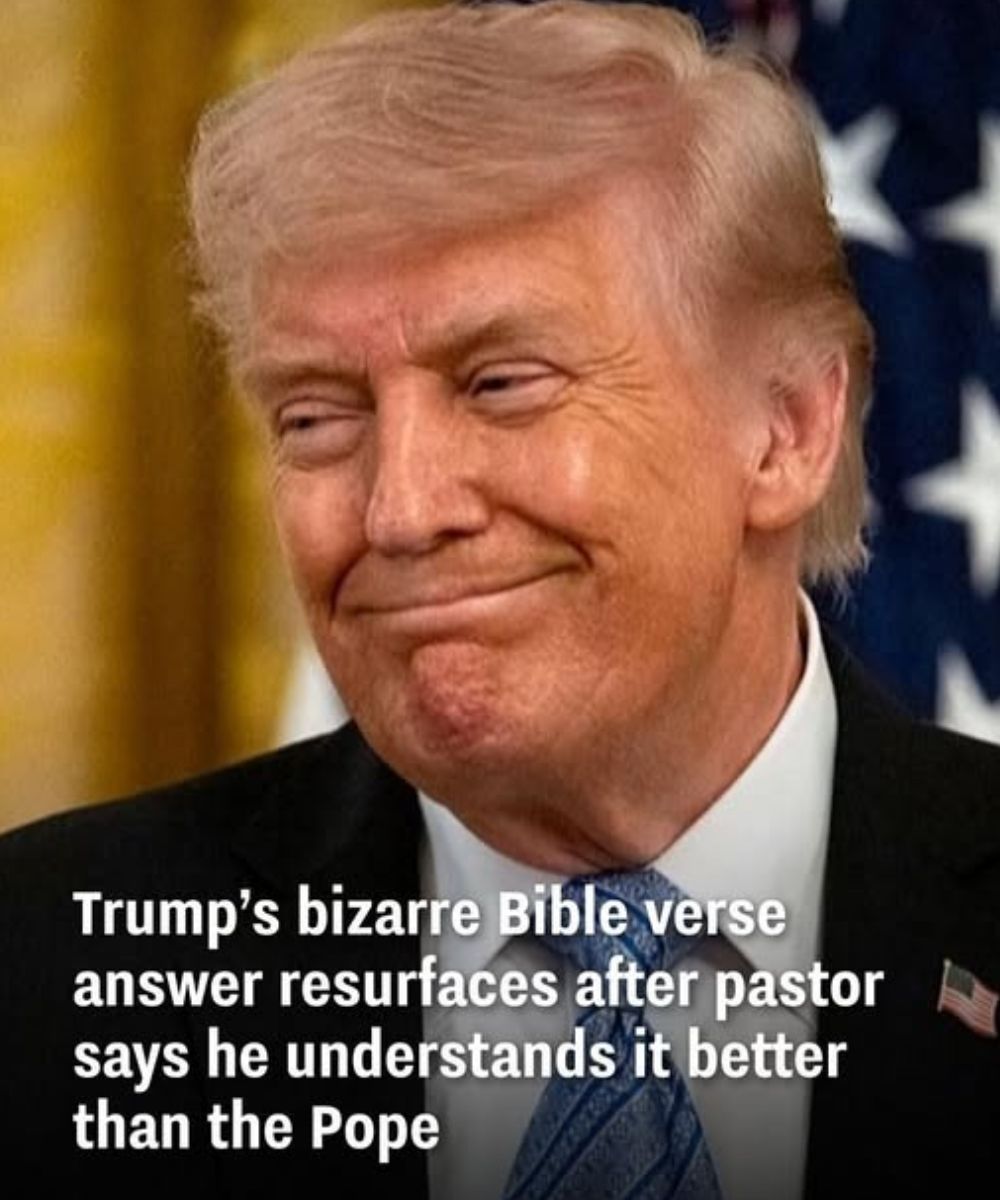
A years-old exchange about Trump’s favorite Bible verse is back in the spotlight after a pastor claimed he grasps Scripture better than the Pope
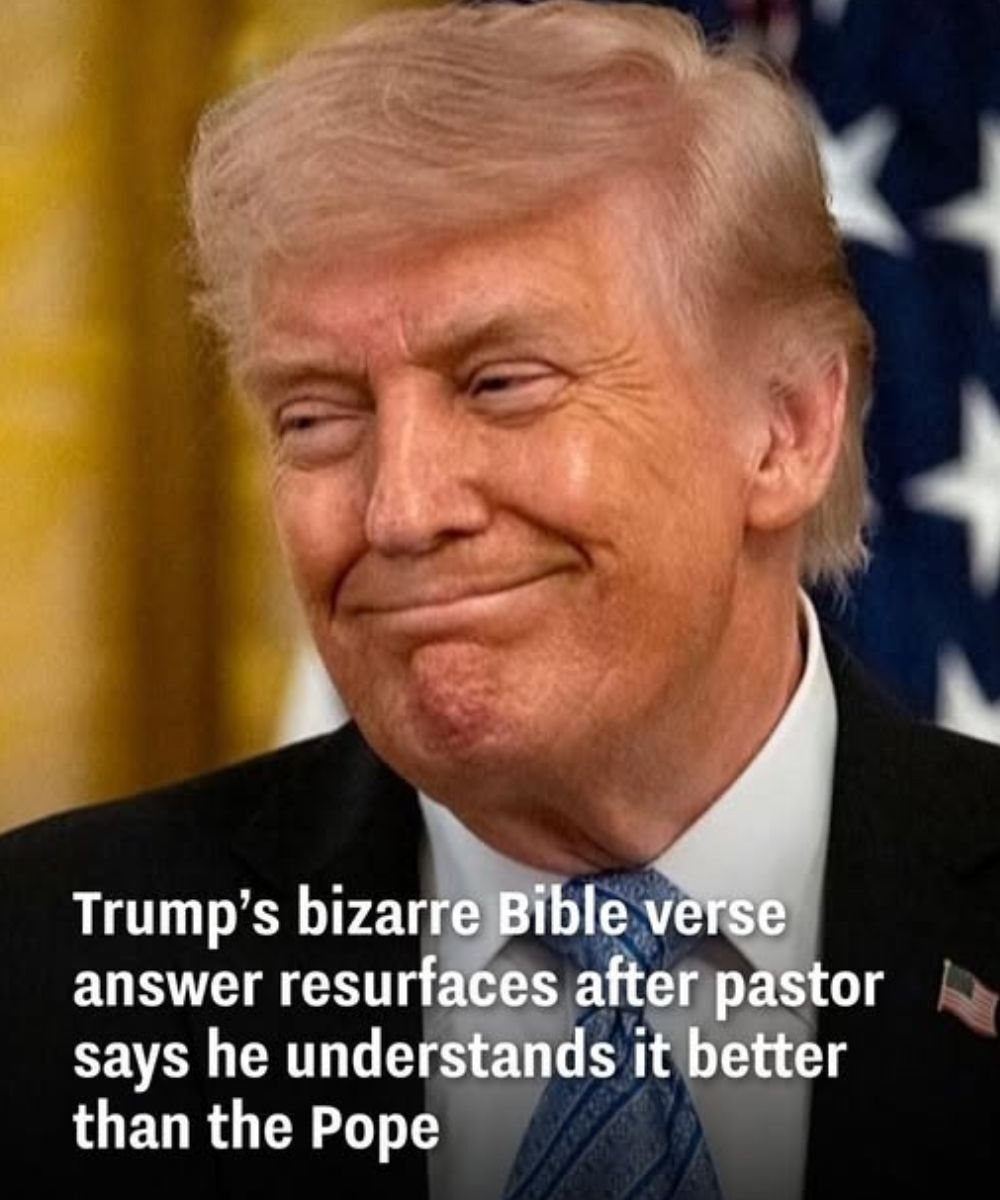
A familiar clip from Donald Trump’s first presidential run has returned to public view, drawing fresh discussion about the former president’s relationship with Christianity. The renewed interest followed a bold claim by a prominent pastor who said Trump understands what the Bible teaches about government better than the Pope. That statement, combined with several recent moments involving faith, set the stage for the old interview to circulate widely once again.
These renewed conversations come on the heels of a string of religiously charged headlines. There have been public disagreements between Trump and the Pope that captured international attention. An AI-generated image circulated online depicting Trump in the likeness of Jesus, prompting a flurry of debate about appropriateness and symbolism. And a stern message to Iran that concluded with the phrase “praise be to Allah” added more fuel to ongoing arguments about tone, intent, and the use of religious language in politics.
Trump remains a powerful figure among many religious voters, particularly Evangelical Christians, who provided strong support in the 2024 election. Yet, throughout his political career, he has sometimes seemed less at ease with the fine details of Scripture than many of his supporters. Observers often point to memorable moments, such as his unusual pronunciation of “2 Corinthians,” and his reluctance to answer a straightforward question about his favorite Bible verse.
The resurfaced clip comes from an interview during his first presidential bid, when Trump was pressed to share a favorite passage from the Bible. He declined to offer a specific verse, saying the topic was personal and that he preferred not to delve into it. When the interviewer tried to simplify the question by asking whether he favored the Old Testament or the New Testament, Trump called the entire Bible “incredible” and said he probably liked both equally. For many viewers, the exchange left an impression—either as a sign of humility and privacy regarding faith, or as a missed opportunity to speak clearly and comfortably about Scripture.
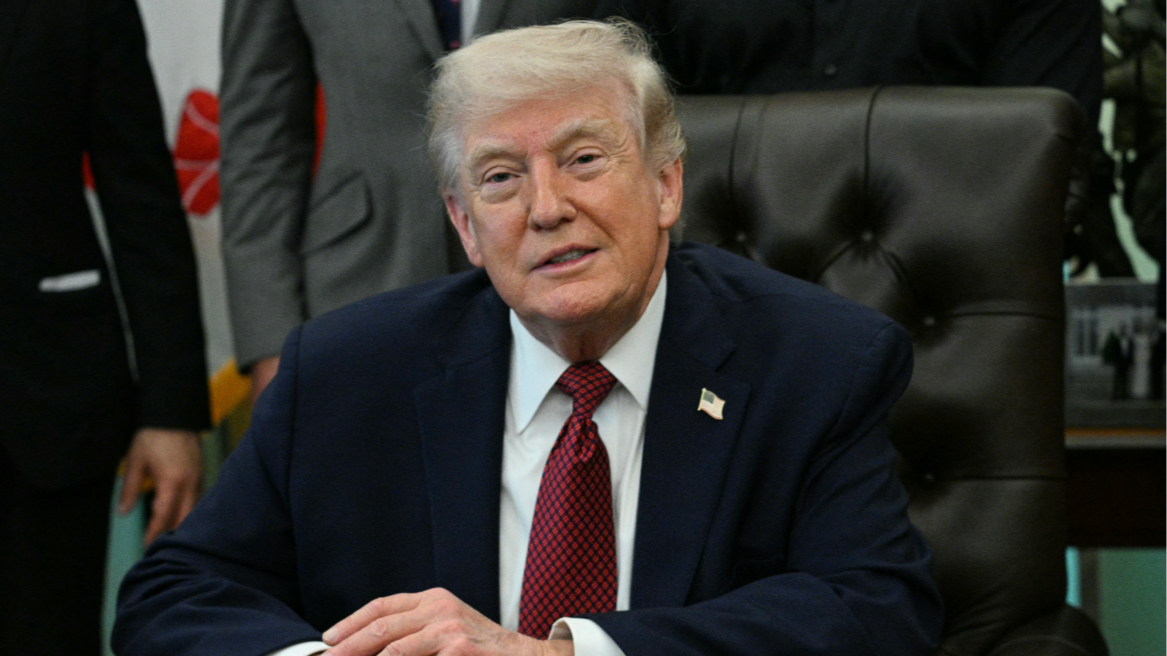
Supporters rally after Pastor Robert Jeffress says Trump better understands biblical teaching on government than the Pope
The clip gained fresh momentum as MAGA-aligned pastor Robert Jeffress publicly defended Trump’s faith perspective. In making his case, Jeffress argued that Trump has a stronger understanding of how the Bible informs the role of government than the Pope. The remark was striking, not only because it compared a former American president to the head of the Roman Catholic Church, but also because it touched a nerve in a long-running conversation about faith’s place in civic life.
Jeffress’ comments came shortly after a 22-foot golden statue of Trump was erected at one of the former president’s Florida golf courses and blessed by a pastor. The striking monument quickly drew national attention. Some saw the sculpture as a bold tribute, while others viewed it as needlessly provocative at best—and religiously troubling at worst.
Pastor Mark Burns, who delivered the blessing for the statue, rejected any suggestion that it was a “golden calf,” the biblical symbol of idolatry. In his view, the statue was not about worship. He described it instead as a symbol of resilience, freedom, patriotism, strength, and hope for America’s future. To supporters, that reading made sense: for them, the sculpture captured the spirit of a political movement they believe champions national pride and religious liberty.
Critics, however, were not persuaded. They argued that presenting a giant golden image of a political leader cannot help but invite biblical comparisons. For those who read Scripture closely, the warnings against idol worship are familiar and forceful. Skeptics questioned why religious leaders would risk such optics and then defend them so vigorously, especially while asserting that Trump’s understanding of Christian teaching surpasses that of the Pope. To those critics, the contrast between bold claims about faith and eye-catching political displays seemed difficult to reconcile.

Trump aims to firm up his religious image, including a reading from 2 Chronicles
In recent weeks, Trump has tried to reinforce his religious messaging. At the end of April, he released a video from the Oval Office in which he rested his hands on a Bible and read a verse from 2 Chronicles. The passage, familiar to many churchgoers, speaks to humility, prayer, repentance, and the healing of a nation’s land. The tone and themes resonate strongly with many conservative Christians who emphasize personal responsibility, moral renewal, and a return to spiritual foundations as the path to national restoration.
For supporters, moments like the 2 Chronicles reading express a sincere belief that faith and public life belong together. They see a leader who speaks openly about God, acknowledges the importance of prayer, and welcomes pastors and faith leaders into the public square. They applaud the message of repentance and healing, believing it matches their own hopes for the country’s future and the values they wish to pass on to their children and grandchildren.
For detractors, the same moments raise familiar doubts. They recall the earlier interview in which Trump avoided naming a favorite Bible verse and the widely discussed “2 Corinthians” pronunciation, which seemed to them like a telltale sign of unfamiliarity. They question whether recent, carefully staged religious images and statements fit naturally with a genuine lifelong practice of faith. To them, the contrast between polished production and past hesitations is hard to ignore, and claims that Trump understands Scripture better than the Pope sound implausible.
Why a “favorite verse” question carries so much weight
At first glance, asking a public figure to share a favorite Bible verse may sound like a simple invitation to talk about a comforting or inspiring passage. But for many Christians, it is more than small talk. The question can reveal which parts of Scripture shape a person’s heart and mind. It can offer clues about what someone turns to in times of stress, joy, or moral testing. In political life, the answer can also serve as a shorthand way to convey familiarity with Scripture and to build trust with religious voters who care deeply about biblical teaching.
Trump’s choice not to name a favorite verse back then, describing his faith as too personal for that kind of answer, left room for competing interpretations. Some saw modesty and a desire to keep certain spiritual matters private. Others saw a lack of confidence or a lack of familiarity with the Bible’s text. With the video recirculating now, those old judgments resurface alongside new debates, shaped by the events and controversies that have come since.
The backdrop: loyalty from religious voters and lingering questions from critics
Trump has long enjoyed steadfast loyalty from a significant portion of Christian voters, especially Evangelicals. Supporters often point to his policy stances, his public embrace of religious leaders, and his willingness to speak openly about faith in a culture they feel increasingly sidelines religious voices. They appreciate his appointments to the judiciary during his presidency, his emphasis on religious liberty, and his advocacy on issues they consider central to moral life. For these voters, their trust rests less on how naturally he quotes Scripture and more on the outcomes they believe protect their values.
His critics approach the matter differently. They weigh tone, language, and consistency. They recall times when Trump’s words seemed out of step with the biblical humility and gentleness they prize. They worry that faith is being used as a political tool rather than practiced as a guiding way of life. To them, a leader’s ease with Scripture matters, not because it is a trivia contest, but because it suggests fluency with the faith’s lived meaning and demands.
Pastors, the Pope, and the question of what the Bible says about government
The claim that Trump better understands the Bible’s teaching on government than the Pope was always going to spark discussion. Catholics and non-Catholics alike look to the Pope for moral and theological guidance, and many hold deep respect for the office regardless of their denomination. At the same time, the Bible’s teachings about government are subjects of ongoing debate among Christians. Believers differ about the role of civil authority, the emphasis on justice and mercy, and how to balance law, order, freedom, and compassion.
When Pastor Jeffress made his comparison, he placed Trump and the Pope on opposite ends of a long-running conversation inside Christianity. Some Christians emphasize limited government and the responsibility of individuals and churches to care for the vulnerable. Others stress the importance of structural reforms, social safety nets, and the common good. The Bible offers many principles, but faithful believers can—and often do—interpret those principles differently when applied to modern political life.
That is why Jeffress’s statement drew intense reactions. Supporters heard a pastor affirming a leader who, in their view, protects religious communities and resists policies they fear would erode moral norms. Critics heard an unnecessary and unwise comparison that seemed designed to provoke division and controversy. The Pope, for his part, symbolizes a long tradition within Christianity, one that focuses on the dignity of every person, the call to serve the poor, and the pursuit of peace and justice. Comparing any political leader’s biblical insight to that of the Pope is bound to provoke strong feelings.
The golden statue, symbolism, and the line between tribute and idolatry
Public symbols matter, and few are more visually arresting than a towering golden statue. The decision to erect such a monument on Trump’s property, then to bless it, gave the image an unmistakable religious dimension. Pastor Mark Burns argued that the statue was not about worship, but about values—resilience, freedom, and national pride. Many people of faith agreed, saying they could honor a leader’s accomplishments or character traits without crossing into spiritual territory reserved for God.
Yet the Bible’s warnings against idols are vivid and widely known. For believers who are especially sensitive to those warnings, a gleaming golden likeness of a political figure will almost automatically raise concerns. Even if the creator’s intent is patriotic, the optics can still be unsettling. In the age of social media, such images travel far and fast, often stripped of nuance and context. That is part of why the statue ignited such quick and intense debate—because it touched a live wire where faith, politics, and perception meet.
Social media’s role in reviving old clips and shaping new debates
What begins as a short video snippet can soon dominate a national conversation. Algorithms surface eye-catching content, and familiar debates reignite with each repost. The resurfaced interview of Trump avoiding a specific Bible verse is a textbook case. Many Americans had seen it before, but the new context—a pastor’s comparison to the Pope, the golden statue, the 2 Chronicles reading—gave the old clip new life. People interpreted the same footage differently, depending on their beliefs, experiences, and hopes for the country.
This cycle can be exhausting, but it also reveals something important. Americans care deeply about how their leaders speak about faith. They want to know if public figures see religion as more than a convenient backdrop. They listen for sincerity. They look for consistency. These expectations may be hard to meet in the glare of modern media, but they are part of the landscape every leader faces.
Where the conversation stands now
The resurfaced interview and the wave of responses around it have not settled any arguments. If anything, they have made the lines clearer. On one side are those who see Trump as a defender of religious people in a society that often misunderstands them. They are encouraged by his promises, his public references to prayer, and his willingness to stand with pastors and churches in moments of cultural conflict.
On the other side are those who find the religious displays unconvincing and sometimes counterproductive. They look to past hesitations about Scripture as signals that the faith framing is more political than spiritual. For them, a giant statue and a bold comparison to the Pope do not calm their concerns. Instead, they raise new questions about priorities, humility, and the lessons Christians should draw from the Bible about power, leadership, and worship.
A friendly reminder for readers: faith and public life are complicated
For many Americans—especially those who have spent decades in church communities—the current discussion may feel familiar. We know that faith is not a mere checklist. It is a lifelong journey marked by prayer, repentance, kindness, and a desire to live by God’s Word. Political life, by contrast, often moves fast, prizes the dramatic, and rewards crisp talking points. When the two meet, sparks can fly. That does not mean Christians should withdraw from public life. It does suggest we should approach big claims, grand symbols, and quick clips with patience, discernment, and a steady focus on what Scripture actually teaches.
As this story continues to unfold, the same core questions remain. What should we expect from a leader when it comes to speaking about the Bible? How do we weigh private faith against public statements? And how do we honor both truth and charity when discussing people with whom we may disagree strongly? There are no shortcuts to wise answers. But there is a way forward marked by careful listening, clear thinking, good faith, and the humility to admit what we do not know.
The bottom line
An old video of Donald Trump sidestepping a question about his favorite Bible verse has resurfaced because of a pastor’s striking claim about understanding Scripture better than the Pope. That claim, along with a controversial golden statue and Trump’s own efforts to showcase faith—like reading from 2 Chronicles in the Oval Office—has reignited a national debate about sincerity, symbolism, and the Bible’s place in public life. Supporters see a leader who stands up for religious Americans and speaks openly about God. Critics see staged moments that do not line up with earlier stumbles over basic Bible questions. The conversation is not likely to end soon, but it does invite all of us to look closely at what our faith teaches, how we speak about it, and what we ultimately expect from those who ask for our trust.
In the end, the resurfaced exchange reminds us that simple questions—like naming a favorite verse—can carry great meaning. They reveal not only what leaders know, but also what we as citizens want to hear. Whether one views the recent events as evidence of conviction or cause for concern, they highlight how much Americans still care about faith, Scripture, and the kind of moral leadership they hope to see in public office.



