A Farewell That Brought Music’s Greatest Together
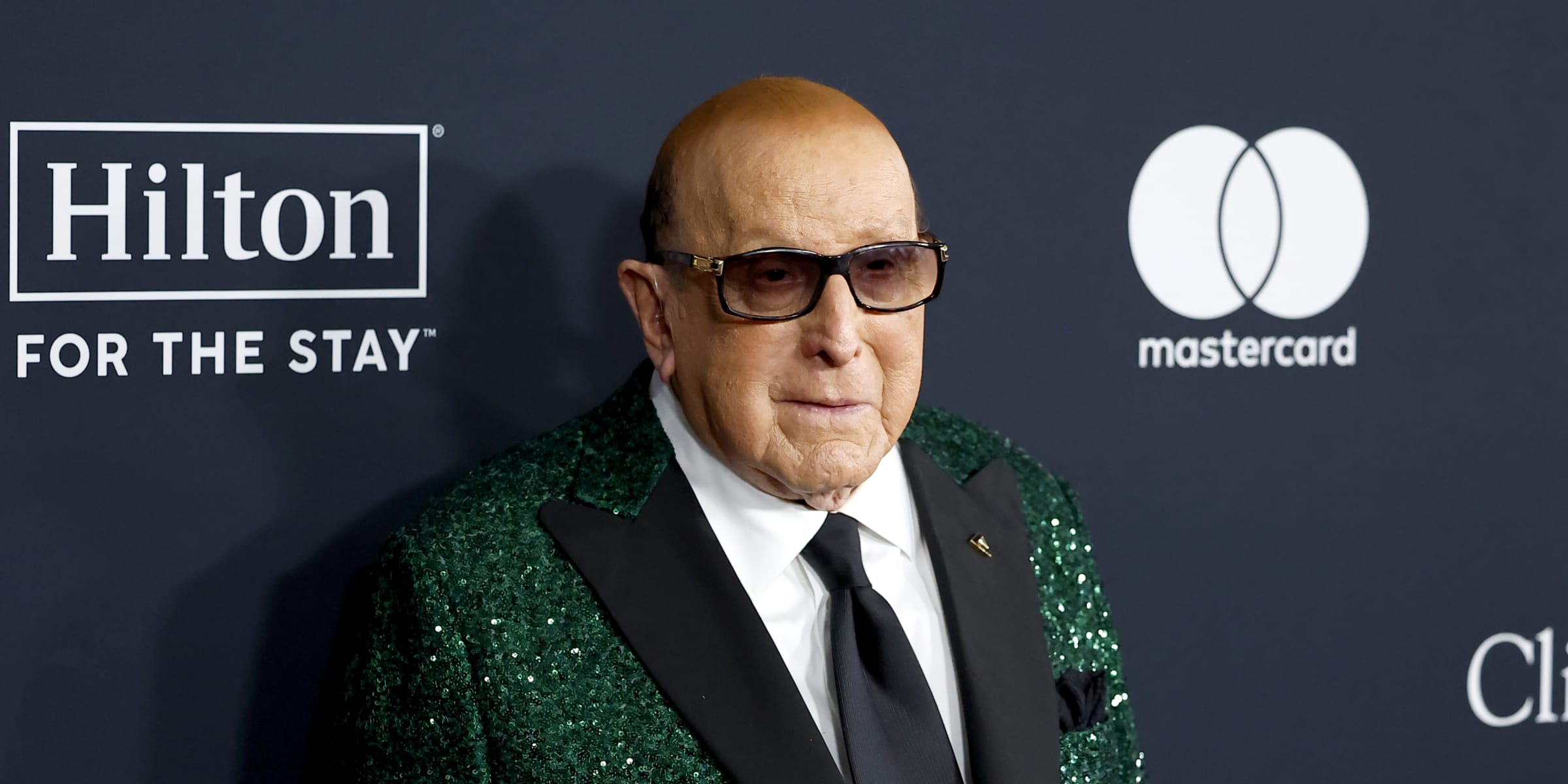
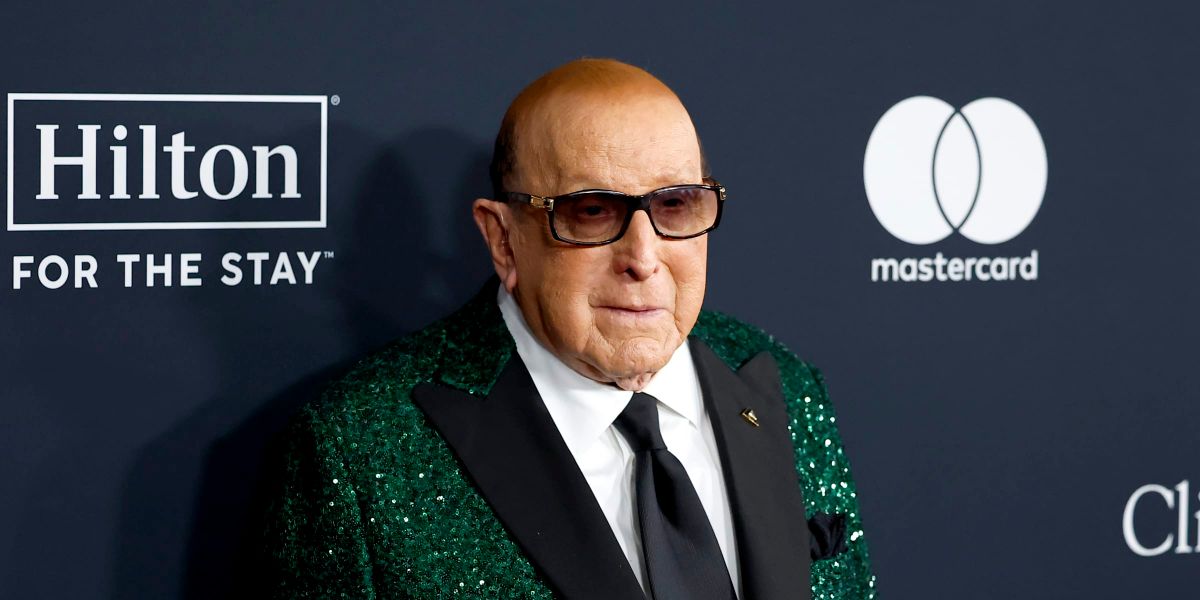
Funerals often bring a quiet hush and a sea of solemn faces. Yet outside one of New York City’s most storied synagogues, cameras caught a different mix of emotions—glimpses of smiles, brief exchanges among old friends, and the easy warmth of people who shared decades of memories. Within hours, those fleeting moments became the talk of the internet.
On June 29, 2026, Central Synagogue in Manhattan filled with some of the most influential names in music and entertainment to say goodbye to Clive Davis. Bruce Springsteen, Stevie Wonder, Usher, Alicia Keys, and many more arrived dressed in black to honor the executive whose belief in artists helped shape the soundtrack of the last sixty years.
Photographers lined the sidewalk as limousines pulled up. As images began circulating online, the public reaction focused not just on grief, but also on something unexpected in the crowd—expressions that seemed lighter than many anticipated for such a solemn day.

Photos from outside the synagogue sparked conversation, with some viewers surprised to see smiles amid the sadness.
Clive Davis’s Remarkable Journey and Lasting Legacy
Clive Davis passed away on June 22, 2026, at his Manhattan home following an age-related illness. His family shared that he died peacefully, surrounded by those he loved. His departure marked the end of a giant’s era—an era that touched rock, pop, R&B, and virtually every corner of modern popular music.
Born in Brooklyn in 1932, Davis overcame the unimaginable loss of both parents as a teenager. He forged ahead on academic scholarships, graduated from college, and went on to Harvard Law School. What began as a legal career eventually led him to Columbia Records, where he first joined as an attorney—a twist of fate that changed the course of music history.
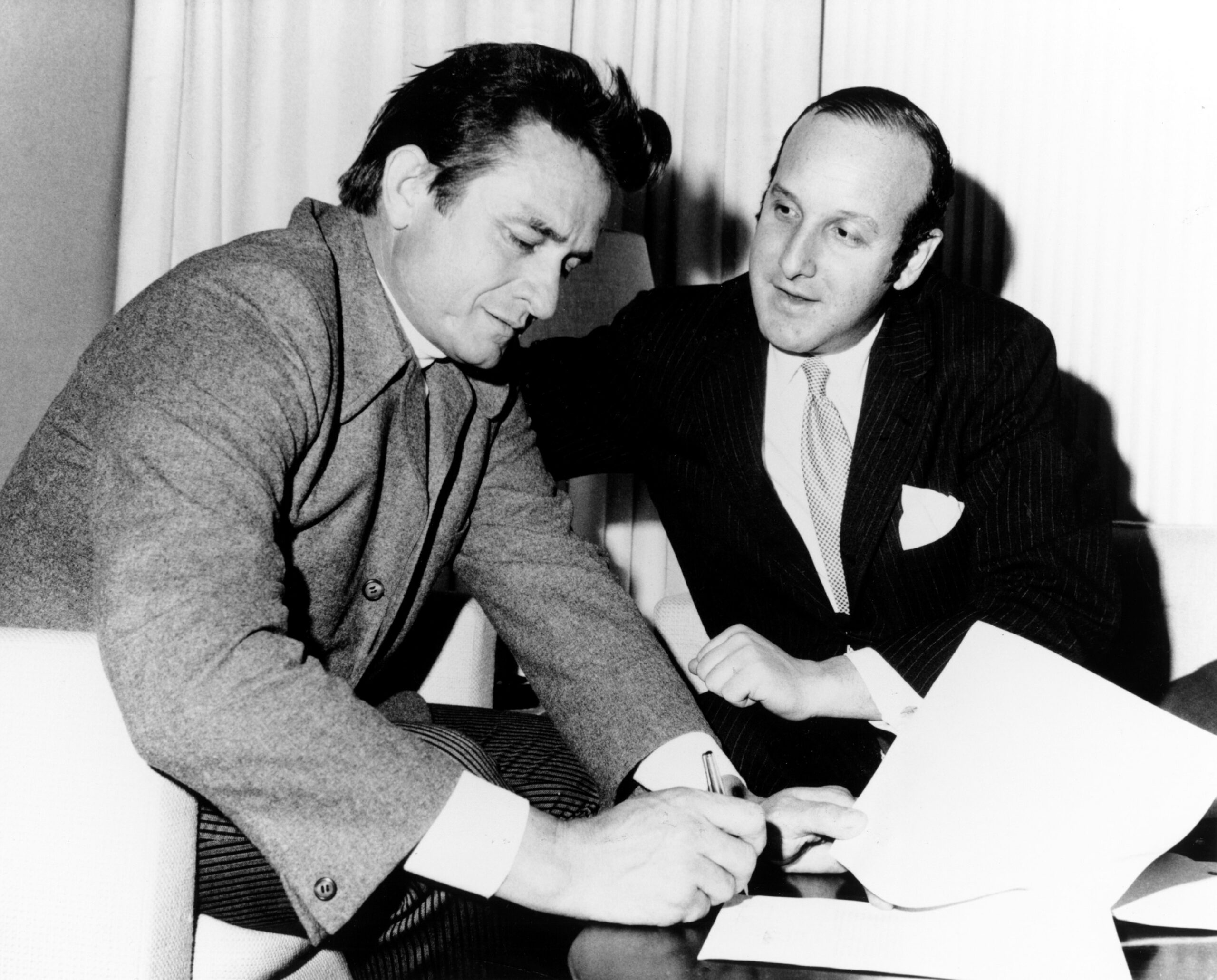
In the early 1960s, Davis worked as a lawyer for Columbia Records. He was photographed as Johnny Cash signed a contract, a sign of the historic careers he would soon help guide.
By 1967, at just 35 years old, Davis rose to lead Columbia Records. A visit to the Monterey Pop Festival that same year opened his eyes to a new generation of voices. He signed Janis Joplin and her band, a bold step that signaled the start of his legendary run as a talent spotter with extraordinary instincts.
In 1974, Davis founded Arista Records, a home that would soon be synonymous with smart artist development and enduring hits. He famously encouraged a then-up-and-coming Barry Manilow to record Mandy, which became Arista’s first hit and a defining song for Manilow’s career.
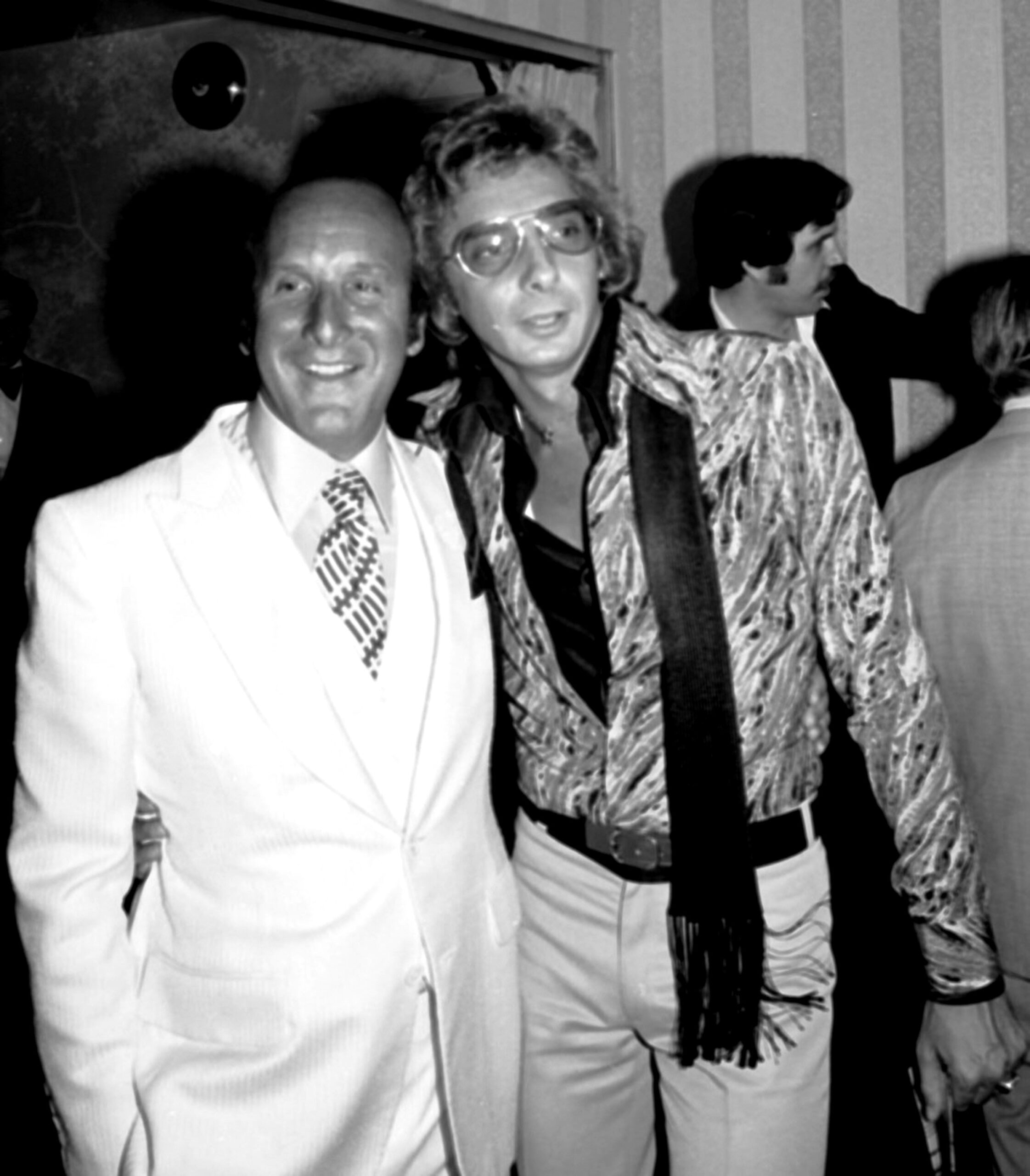
Clive Davis’s counsel led to countless chart-toppers. Here he is with Barry Manilow in February 1975, not long after Mandy put Arista on the map.
Davis did not slow down with success. In 2000, he launched J Records. Eight years later, he became chief creative officer of Sony Music Entertainment, a role he held for the rest of his life—continuing to mentor artists, shape sound, and bring people together through music.
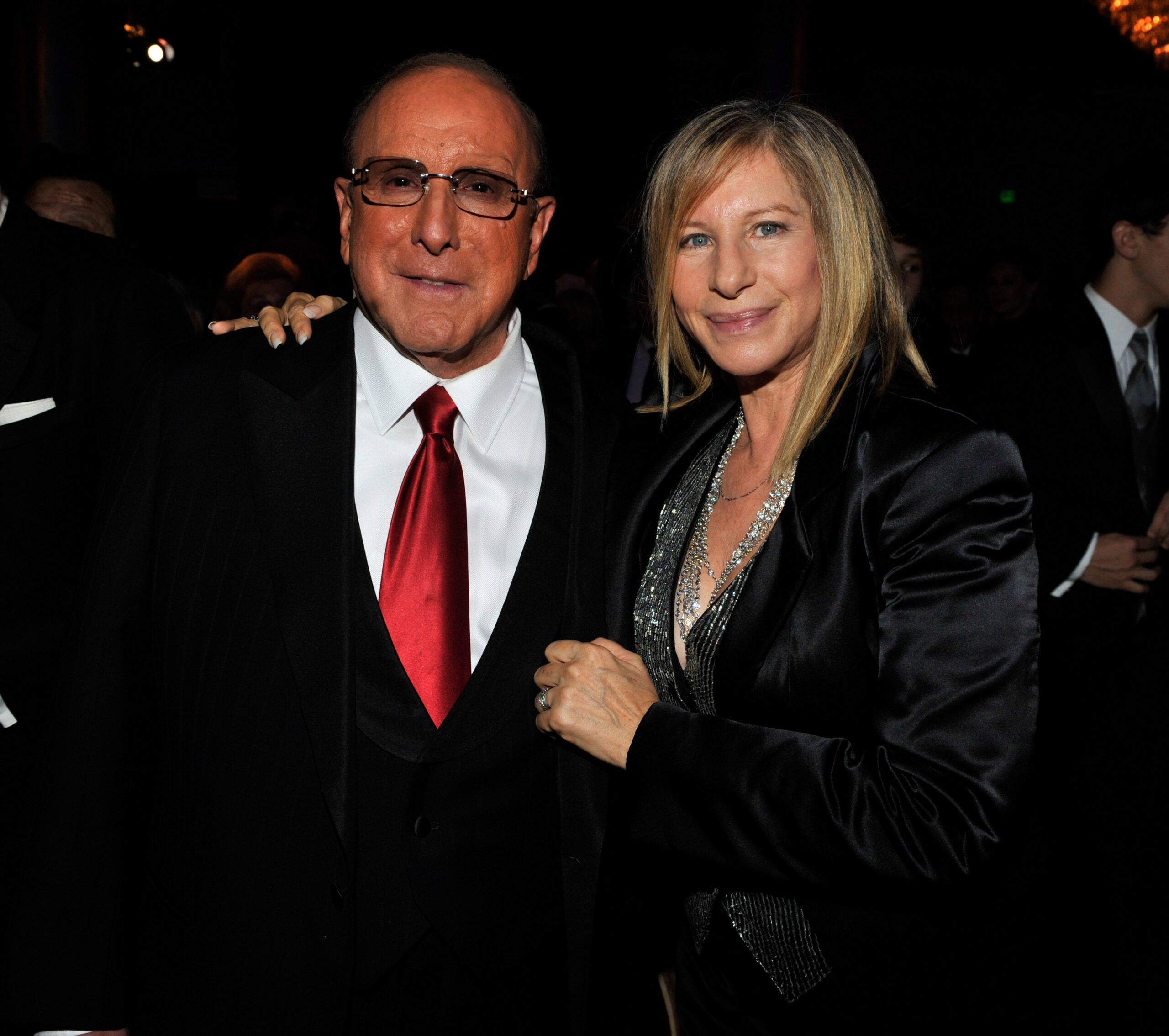
Throughout the years, Davis worked with icons across genres. He was photographed here with Barbra Streisand at a 2010 Grammy salute.
Along the way, he collected five Grammy Awards and, in 2000, was inducted into the Rock and Roll Hall of Fame as a non-performer. His annual pre-Grammy gala, launched in 1975, became the industry’s most coveted invitation—an evening where generations of stars mingled, discovered new collaborators, and celebrated music’s power to connect.
How Friends and Collaborators Remembered Him
News of Davis’s passing prompted a wave of tributes. Bruce Springsteen, whom Davis signed to Columbia when the singer was just 22, reflected on the faith that changed his life. “At 22 years old, he changed my life when he signed me to Columbia Records. He treated me with the same respect and kindness as a 22-year-old nobody as he did after all my success. A great man.”
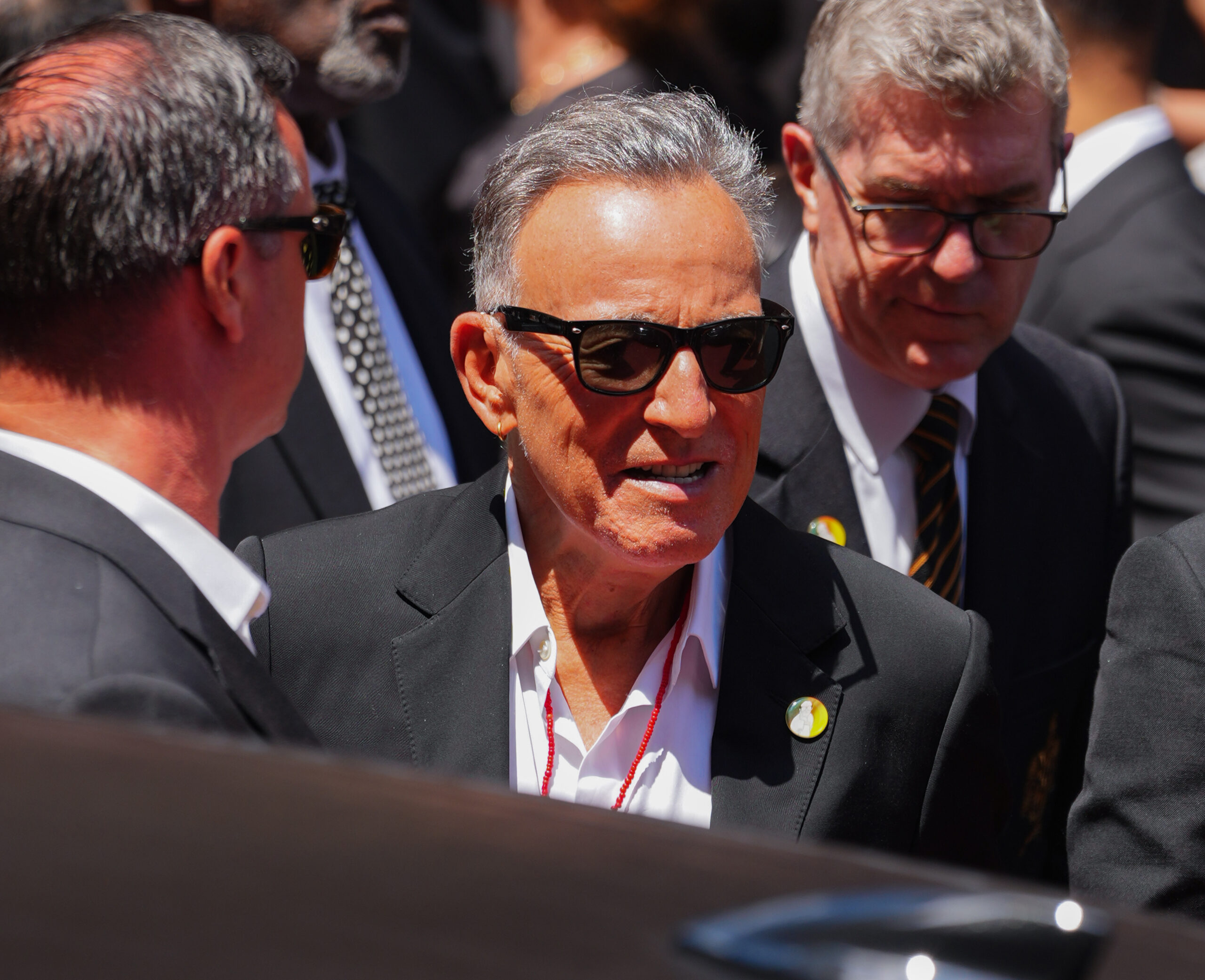
Springsteen, photographed at the funeral in New York City, has long credited Davis’s early belief with setting him on his path.
Some observers over the years wondered how much control Davis exerted over the artists he nurtured. Whitney Houston addressed that directly in a 1993 interview, saying, “Nobody makes me do anything I don’t want to do. Clive and I work well together. We get on each other’s nerves sometimes, but we’ve been together 10 years now.”
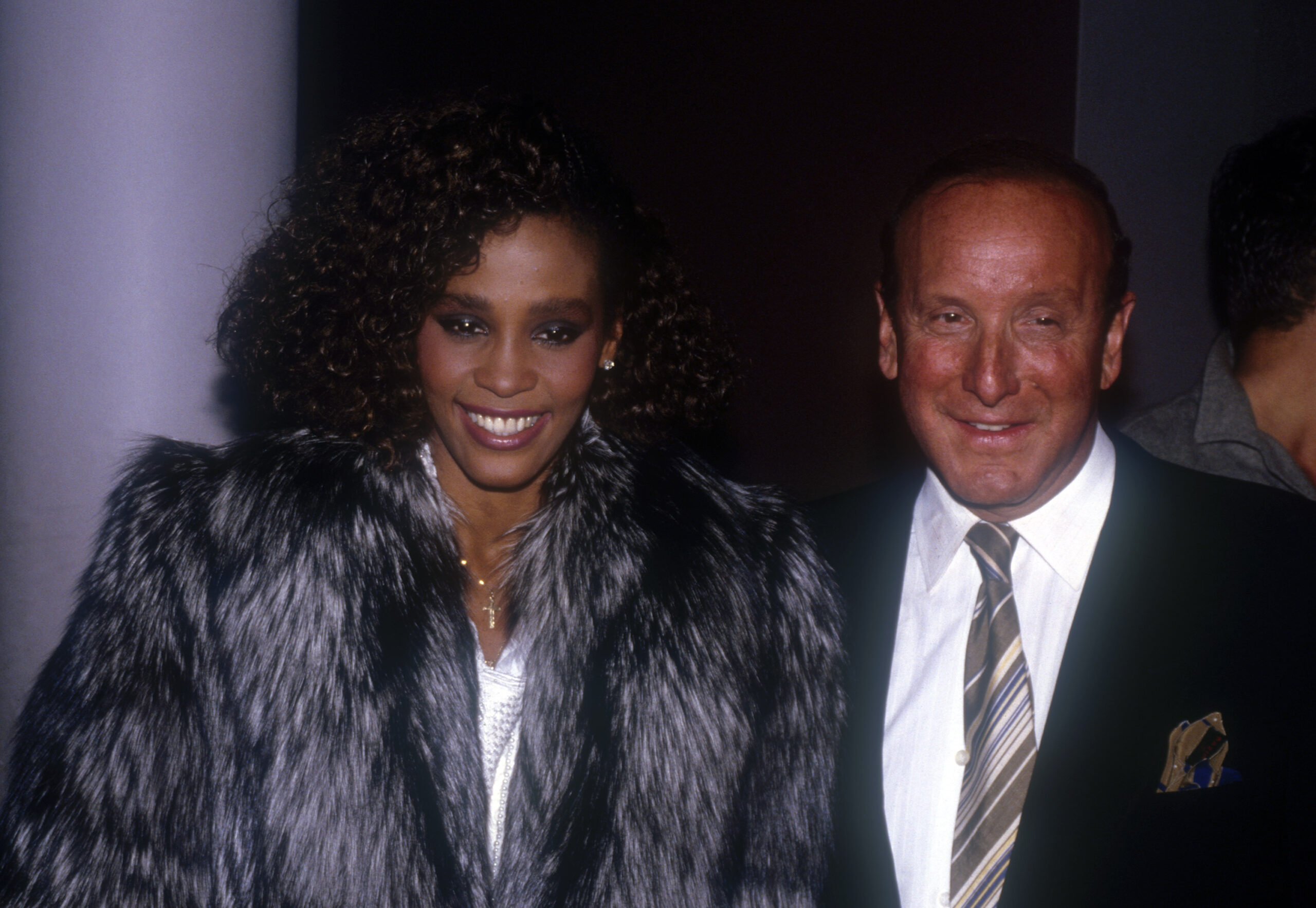
Whitney Houston and Clive Davis shared a partnership that produced timeless records, seen here celebrating her debut album’s multi-platinum milestone in 1985.
Another longtime collaborator, Carly Simon, once described him as steady yet visionary: predictable in the best sense, with stamina and an open heart. Davis himself often downplayed his path into music, telling an interviewer in 2014 that he had not planned on a career in the industry at all—he simply discovered a passion and an ear that would not let him go.
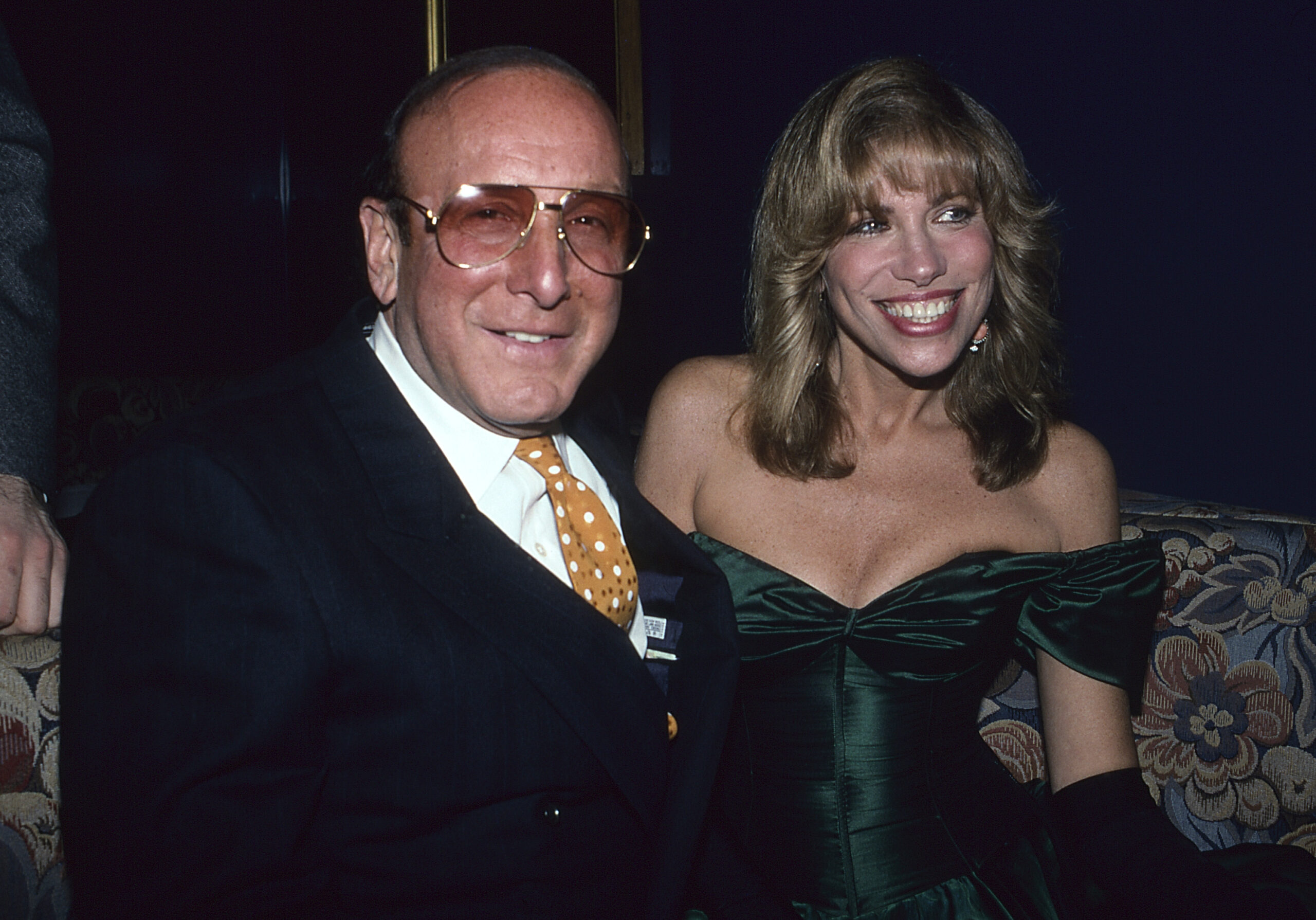
Davis attended a 1990 party for Carly Simon’s album My Romance, a reminder of the many artists whose journeys intertwined with his.
Inside a Service Filled with Music Royalty
At the funeral, the pews were a cross-section of the last half-century of popular music. Speakers remembered Davis with affection, humor, and tears—painting a portrait of a man who listened deeply and pushed artists to be brave.
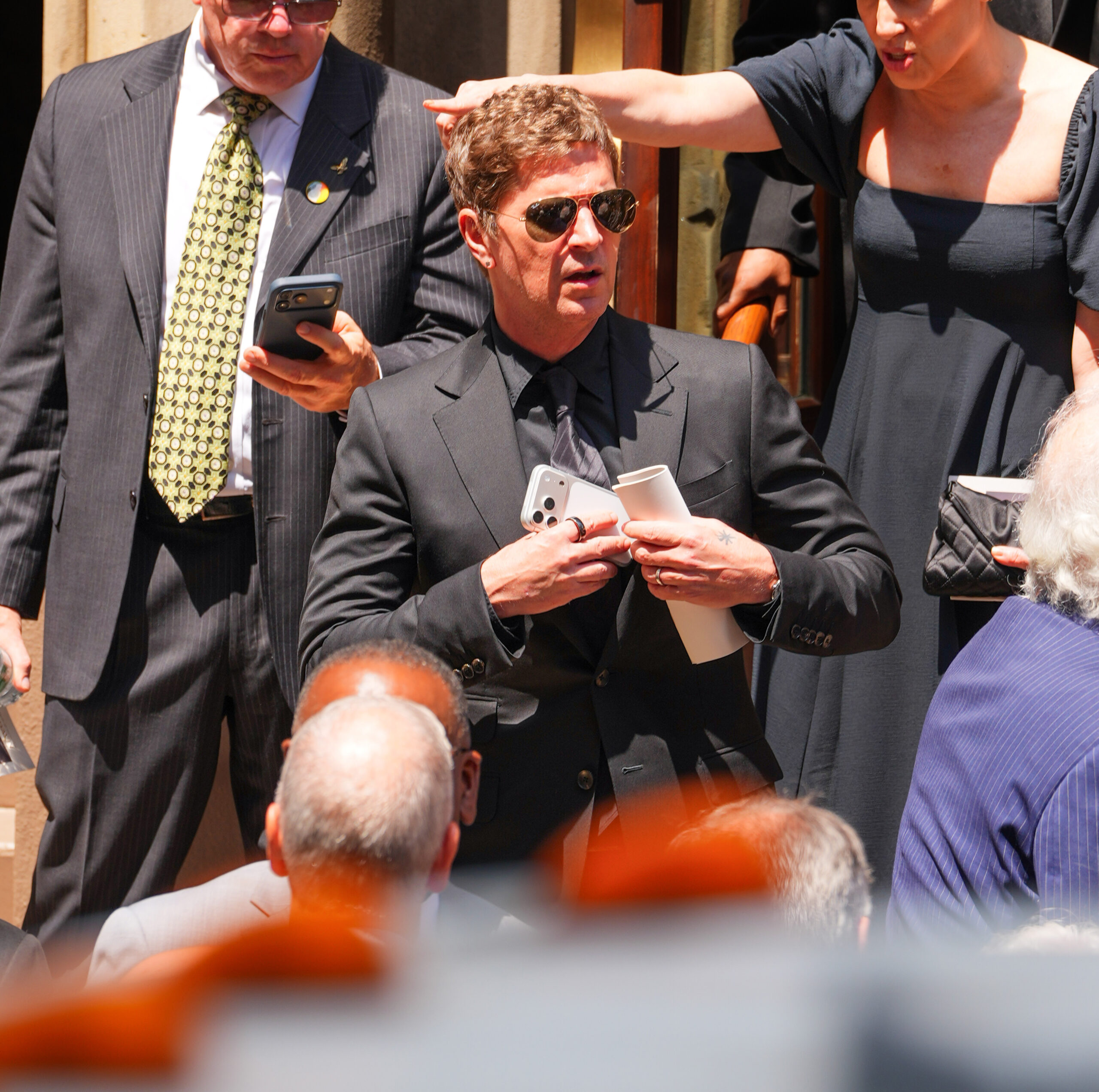
Rob Thomas of Matchbox Twenty was among the many artists who came to pay their respects—an example of how far Davis’s influence reached.
Alicia Keys spoke of meeting Davis as a moment that felt almost written in advance, as if life had arranged it so that something extraordinary could happen. Her words captured the experience of many artists who found not just a record executive, but a guiding presence.
Barry Manilow shared a warm memory of their creative “tug of war.” Davis would bring him a song; Manilow might turn it down, they would debate, and then he would rearrange it until it felt true. It was a window into a partnership built on trust and a shared commitment to the music itself.
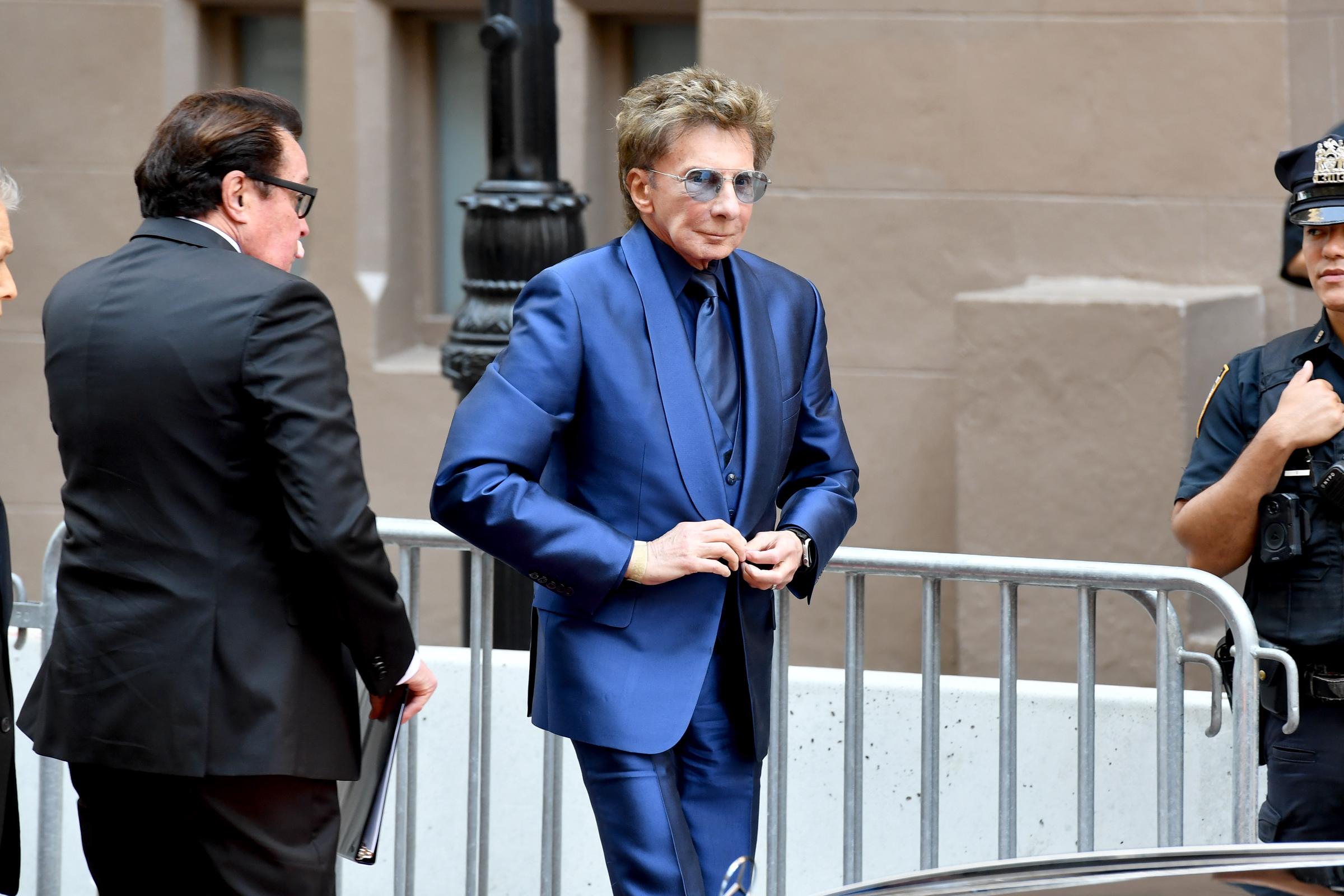
Barry Manilow, dressed for mourning, spoke of the deep connection—and the spirited debates—that fueled so many of their successes.
Dionne Warwick kept her tribute simple and heartfelt, saying she adored Davis and felt he was always looking for “his Dionne.” Bruce Springsteen, ever the wordsmith, called Davis “bombastic, brave and full of ideas,” joking gently that he was “born to run … everything.”
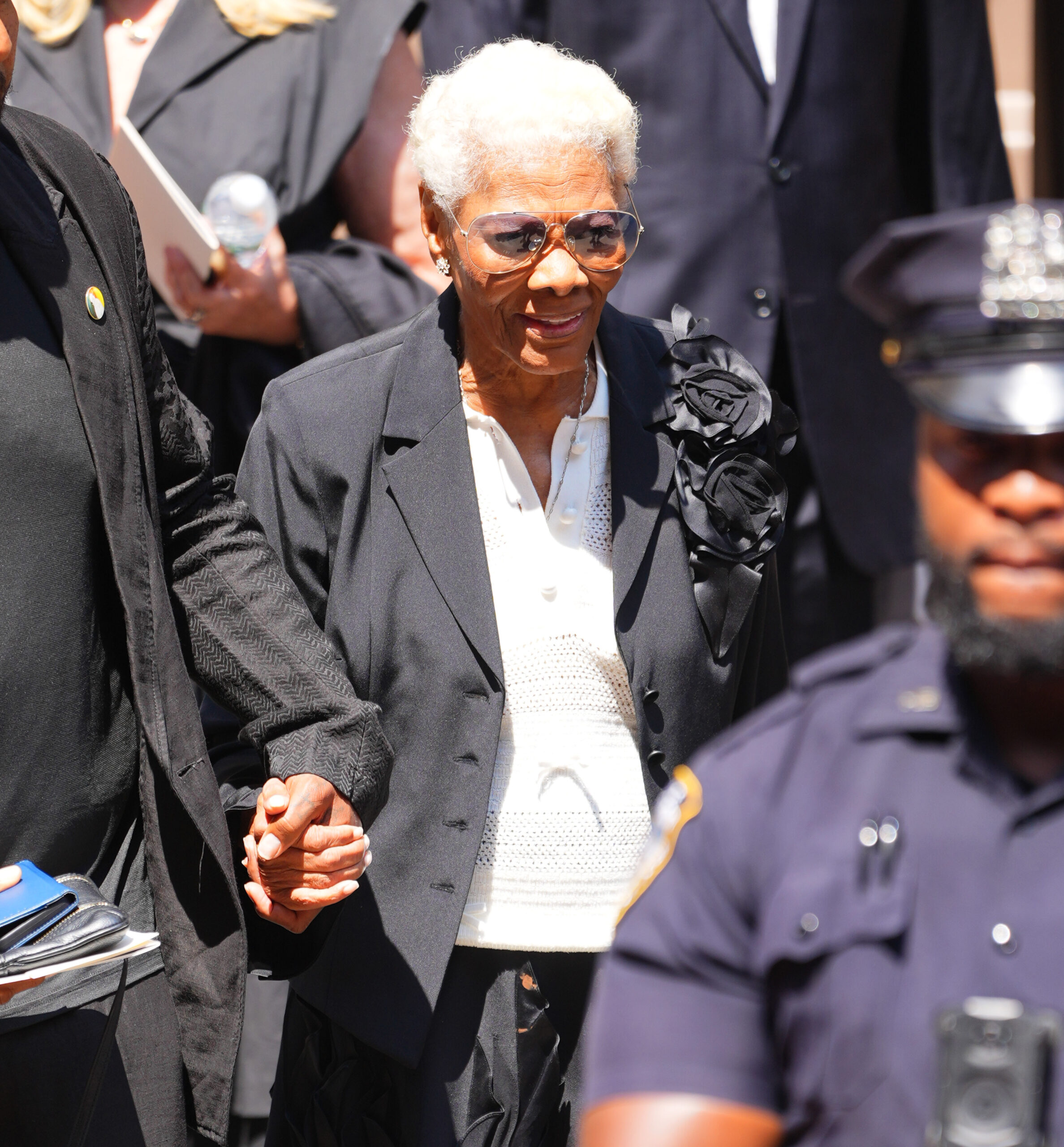
Dionne Warwick, whose relationship with Davis spanned decades, reportedly shared moving words during the service.
Jennifer Hudson closed the musical tributes with I Will Always Love You, a song forever linked to Davis through his lifelong bond with Whitney Houston. Even those who could not see the stage clearly felt the emotion ripple through the room.
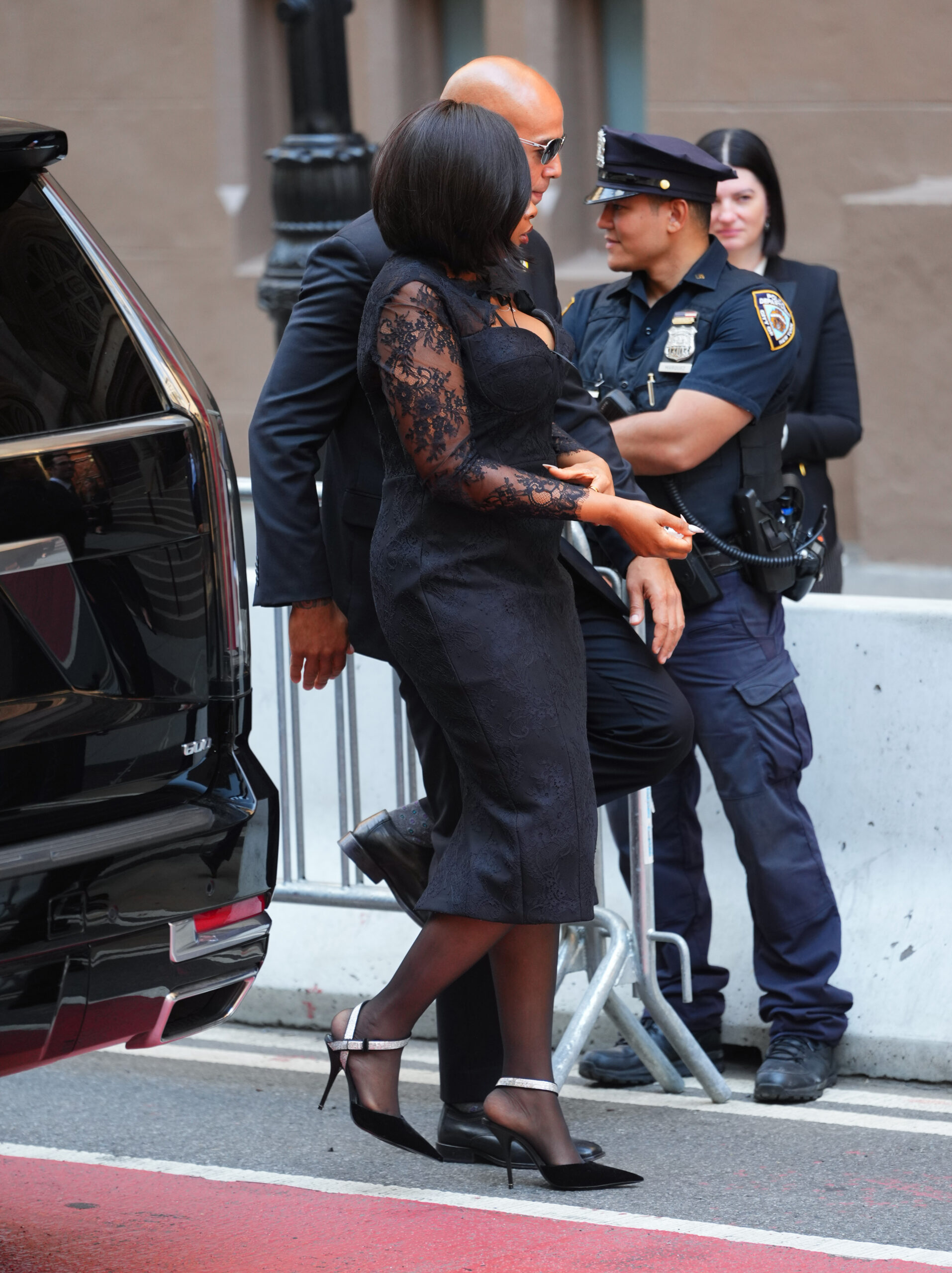
Jennifer Hudson performed a tender rendition of I Will Always Love You, a fitting farewell to a man who helped lift that classic to the world stage.
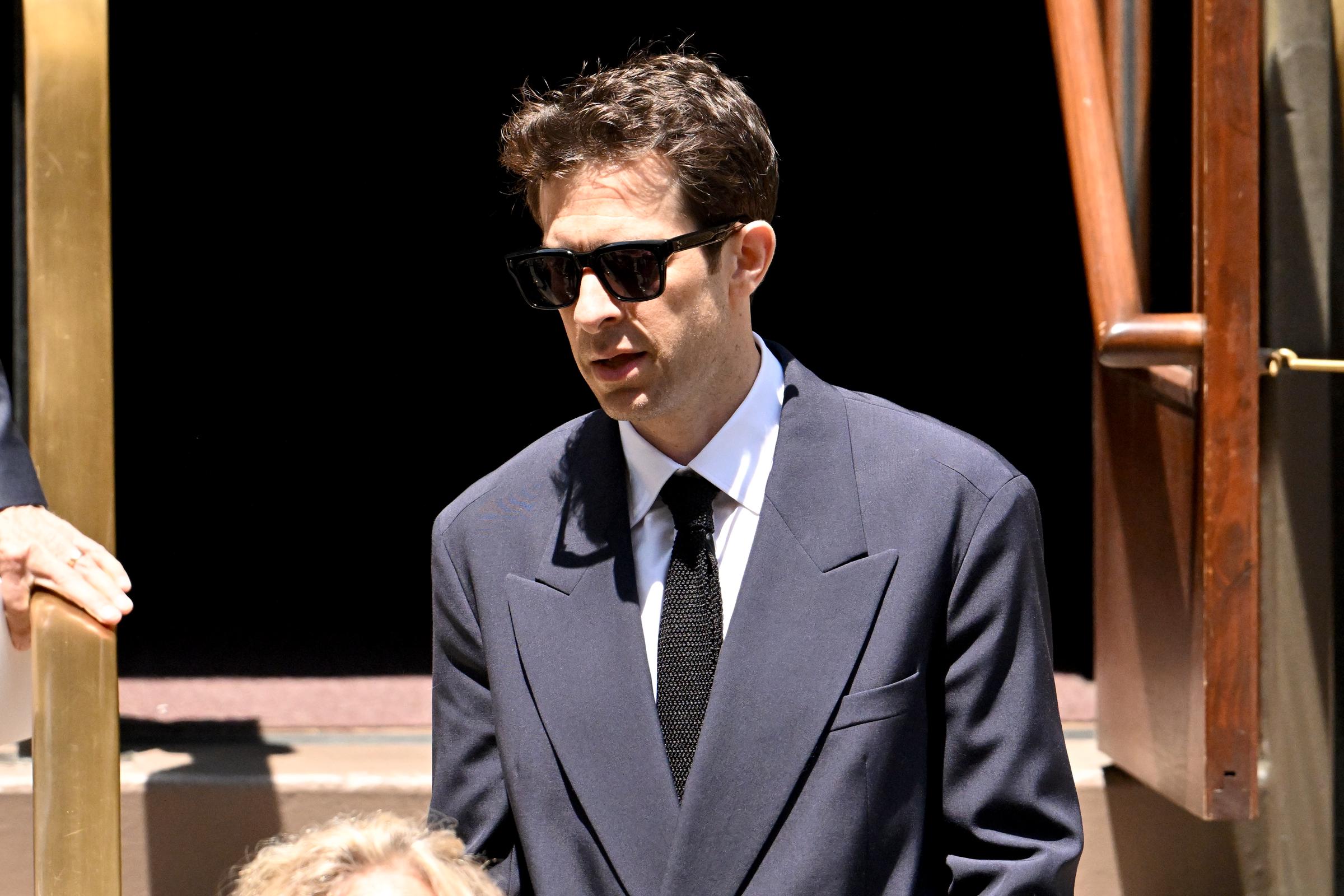
Producer Mark Ronson was among the procession, one of many newer-generation hitmakers influenced by Davis’s example.
The pews held a remarkable mix of names across generations and styles—Kenny G, Rob Thomas, Diane Warren, Gayle King, Hoda Kotb, Georgina Chapman, Adrien Brody, and others. It felt less like a single genre paying respects and more like the entire music community, united.
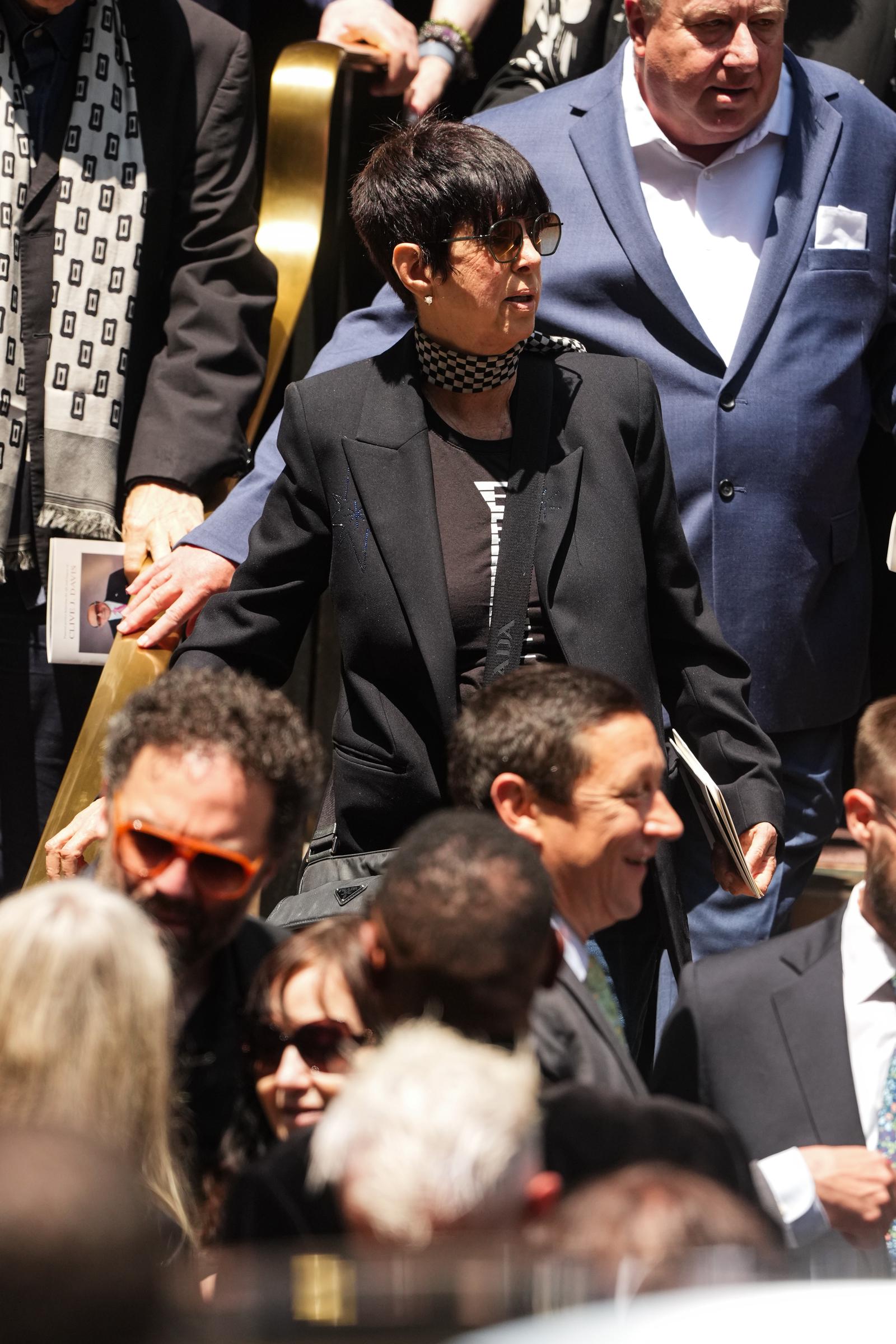
Songwriter Diane Warren, whose hits span decades and styles, was among the many who came to honor Davis.
Familiar faces from entertainment and public life, including Nancy Pelosi, were also present. The service was, in many ways, a portrait of just how many corners of culture Davis touched.
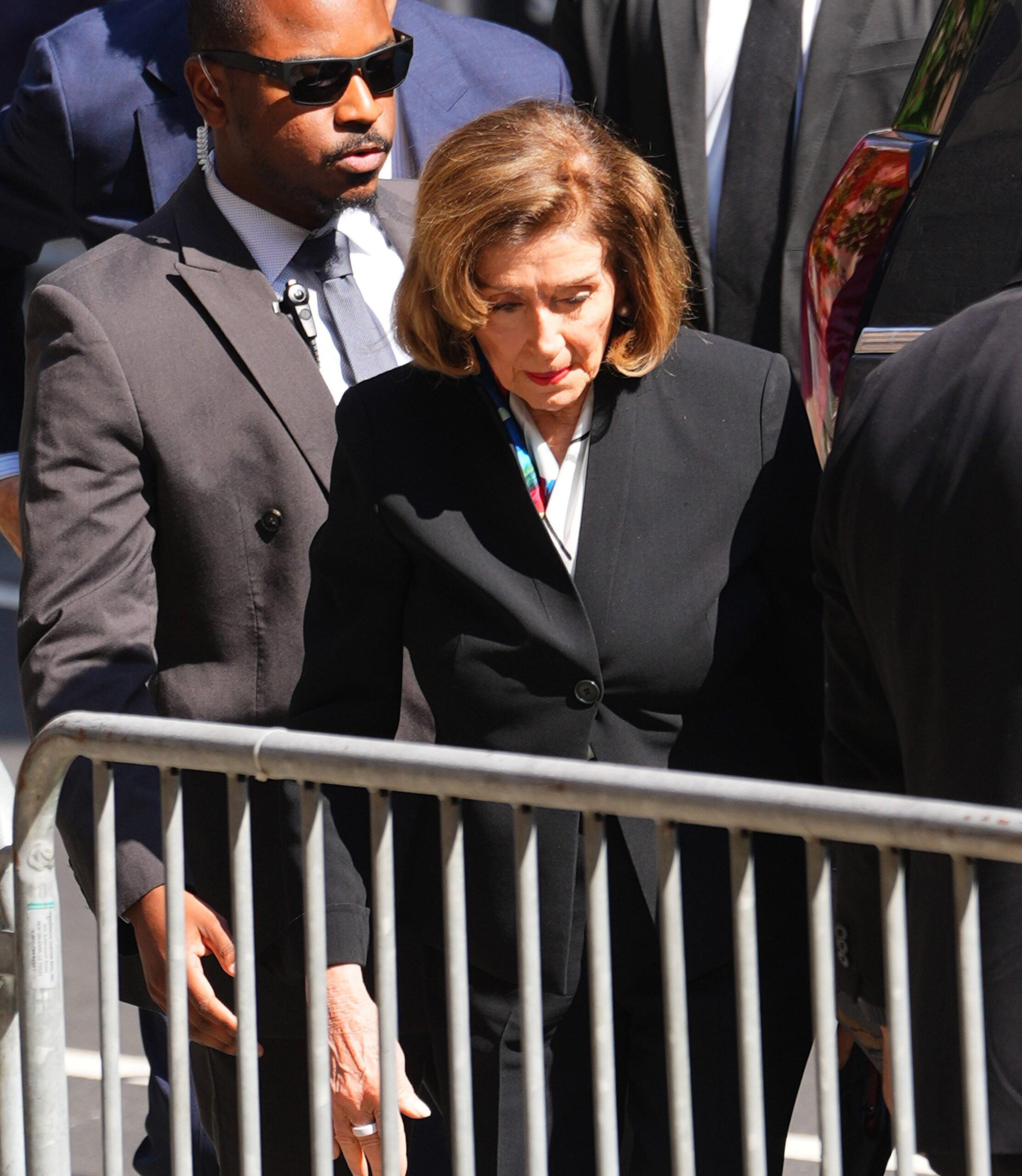
Nancy Pelosi was seen among mourners, underscoring the breadth of Davis’s impact beyond the music world alone.
Fred Davis, Clive’s son, spoke briefly and movingly, saying, “Dad, I love you and will miss you dearly.” He also shared that the family plans to continue the beloved pre-Grammy party tradition in 2027 in his father’s honor—promising to make it the best one yet.
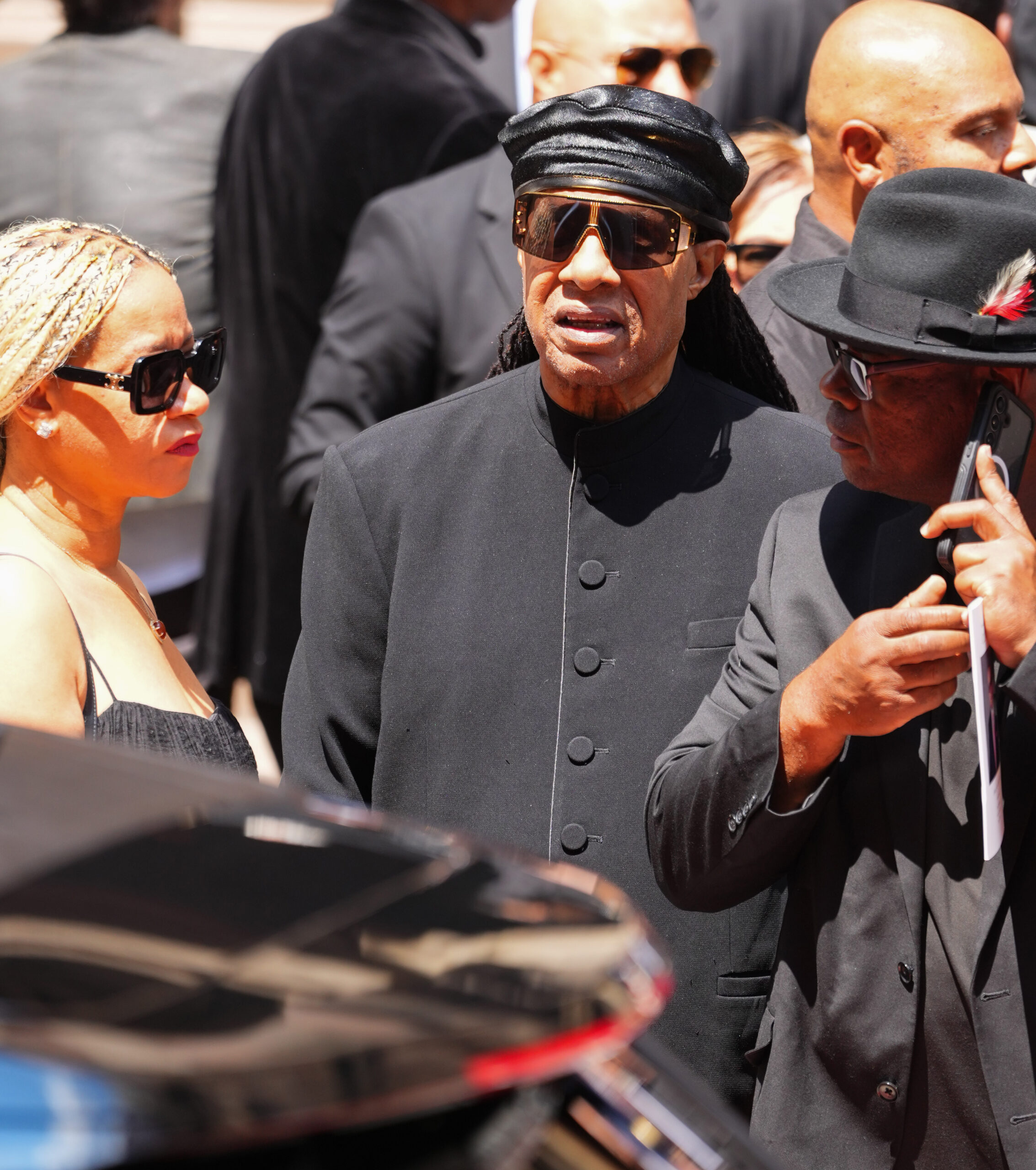
Stevie Wonder arrived to bid farewell to a man who not only championed great voices, but also knew how to bring them together.
Singer Rebecca G. Wilson, who performs with The Kinks’ Dave Davies, later shared glimpses of the service on social media. She described illuminated Al Hirschfeld caricatures of Davis from the 1970s flanking the stage—nostalgic touches that reminded everyone how deeply the mogul’s story was woven into American music.
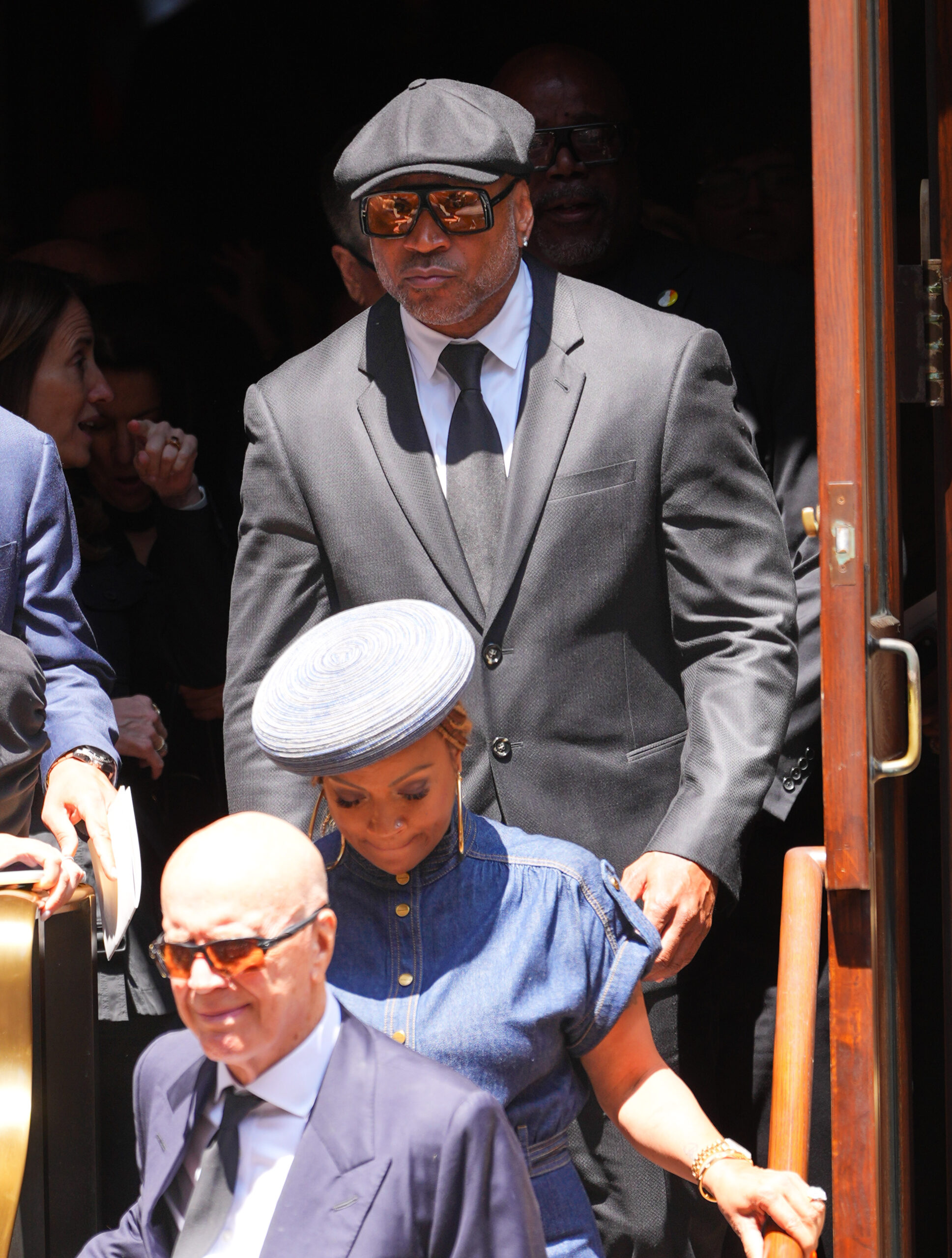
LL Cool J and Simone Smith were among those photographed outside, a reminder that Davis’s influence cut across hip-hop, pop, R&B, and rock.
Wilson added that Barry Manilow, still recovering from serious surgery last year, looked fragile as he spoke. When he said, “Last year I lost half my lung, and this week I lost a piece of my heart,” the room fell silent. She also recalled how meaningful it was to hear him confirm that Davis had suggested the name Mandy for his breakthrough hit.
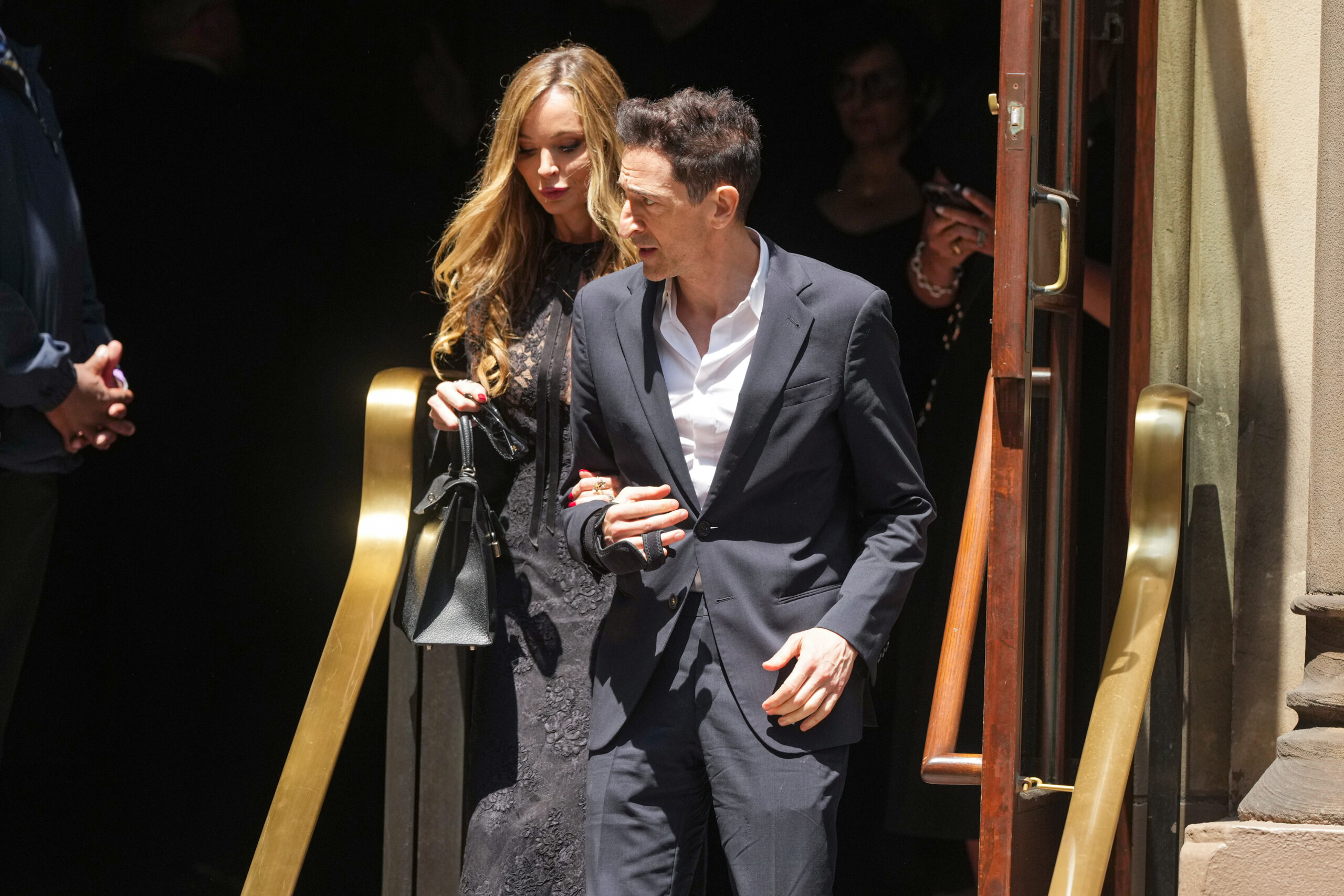
Actor Adrien Brody, with Georgina Chapman, was among the mourners—one example of how Davis’s friendships extended well beyond the studio.
There were reunions, too. Wilson described a touching moment between Dave Davies of The Kinks and Dionne Warwick, who had not spoken since the 1960s. Davies reflected on how Davis helped his band during their Arista years, saying, “Clive really saved us.” Alicia Keys chimed in with a smile, calling it not just a rescue but a creative “REBIRTH!”
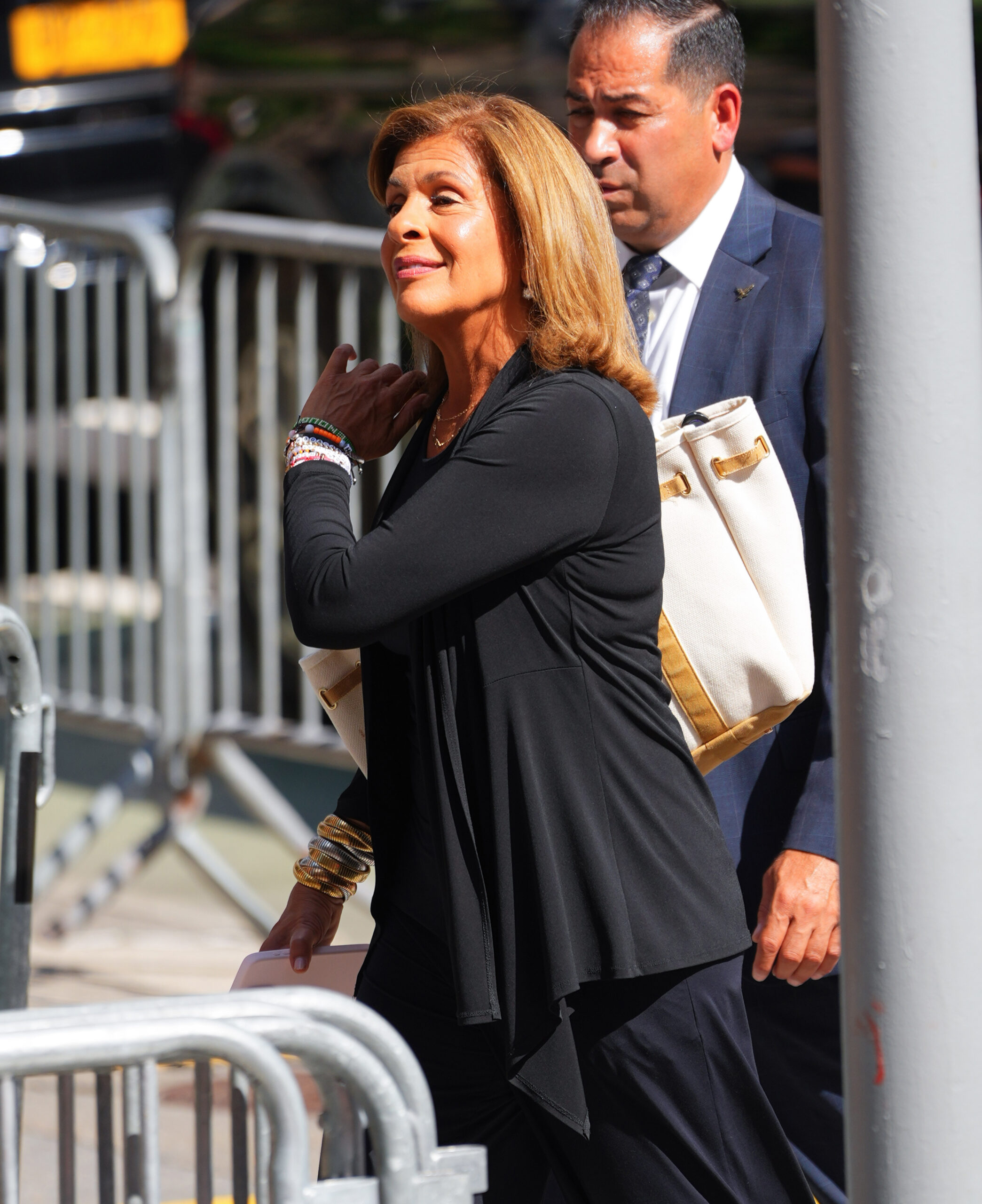
Hoda Kotb, a familiar face from television, was also seen outside, one of many admirers who came to celebrate a life in music.
Usher, Wilson noted, was gracious and reflective—struck, like so many others, by the sight of so many legends under one roof, gathered for the man with the golden ears.
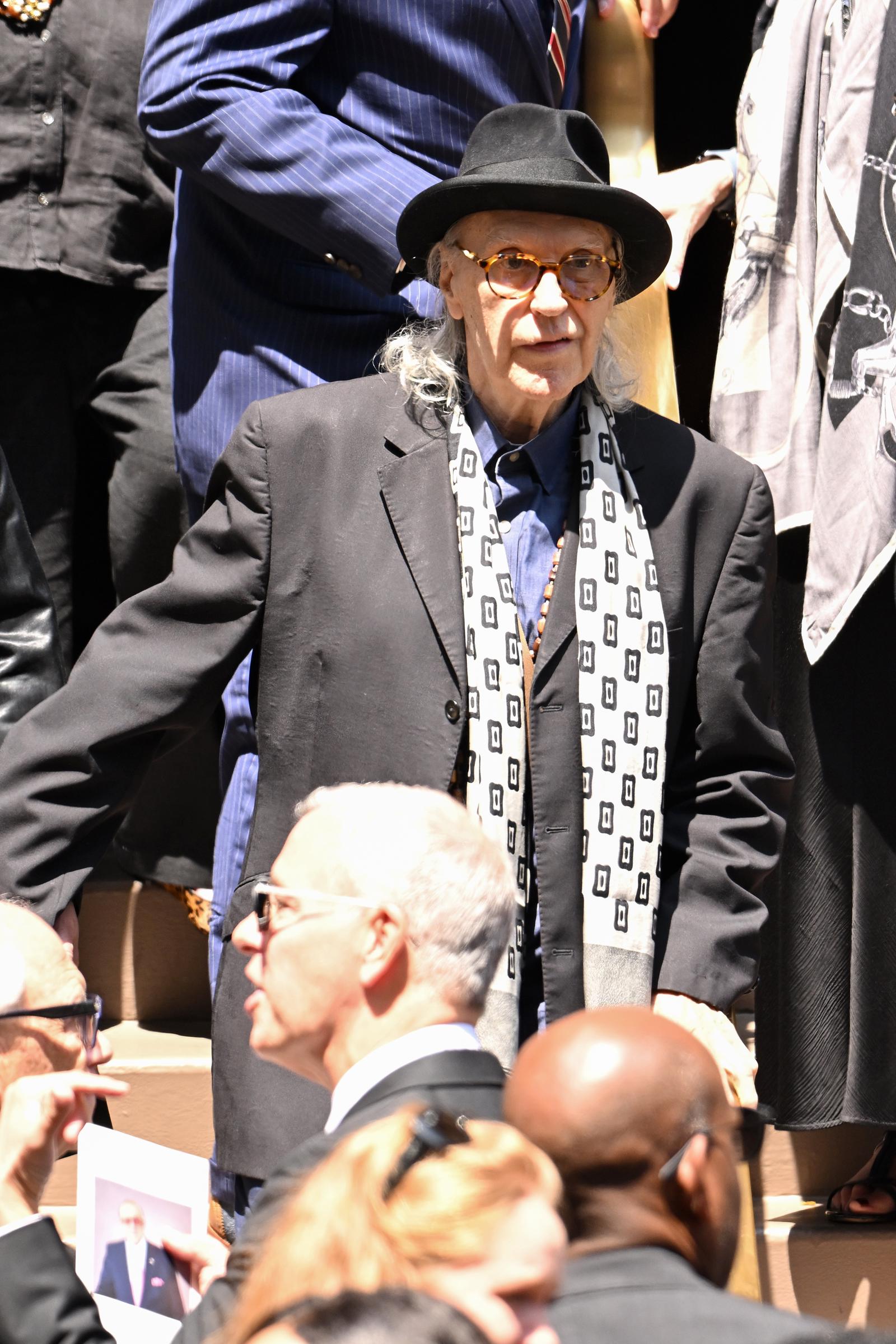
Dave Davies was photographed outside the synagogue. Moments like these showed the full range of emotion such a day can hold.
What Fans Noticed in the Photos
As people paged through albums and news feeds later that day, the reactions shifted from the music inside to the faces outside. Some viewers were surprised by the number of smiles they saw—small moments between friends, the kind you might catch while greeting someone you have not seen in years.
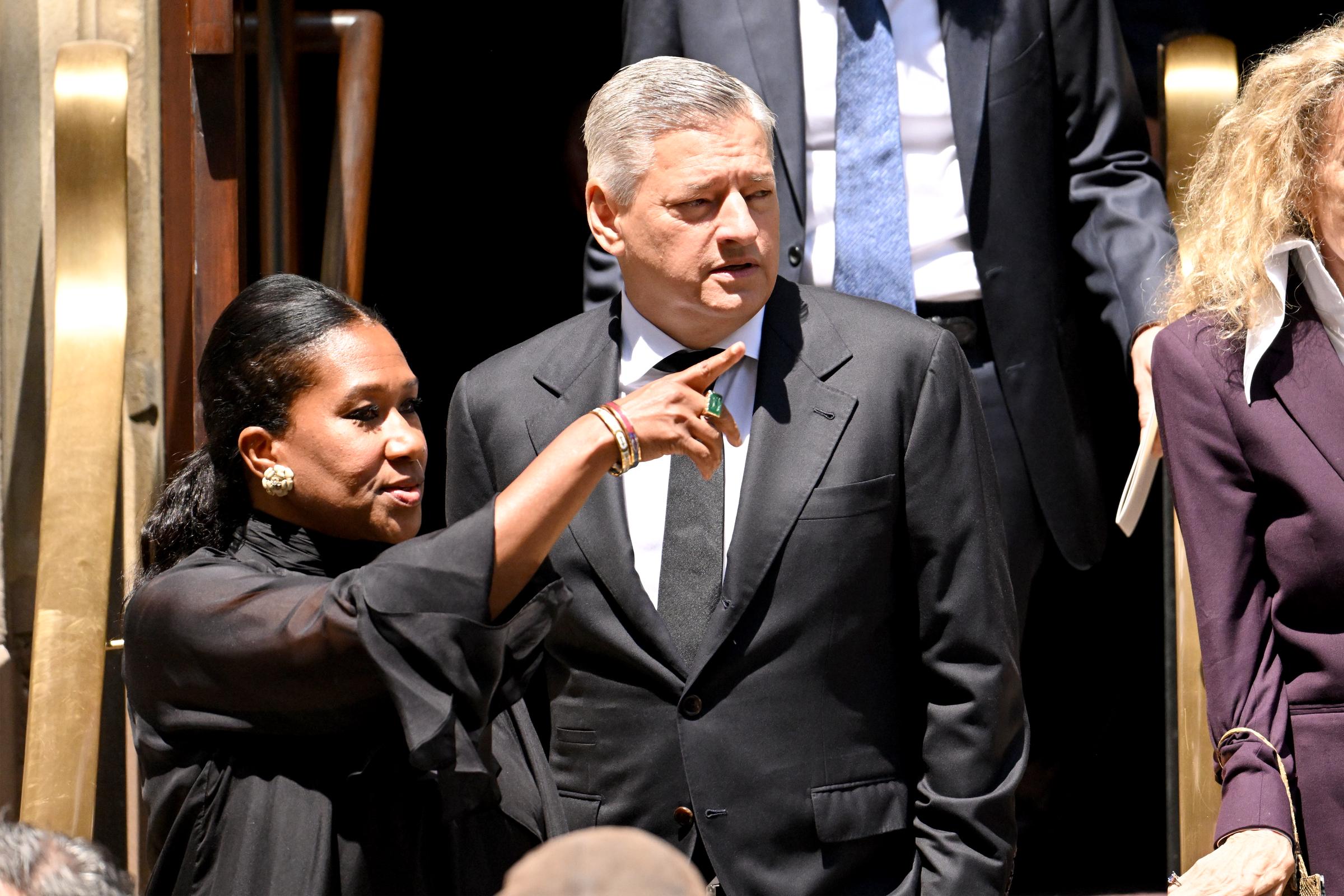
Nicole Avant, former U.S. Ambassador to The Bahamas, and Netflix CEO Ted Sarandos were among those photographed arriving to pay their respects.
Usher’s expression in a few snapshots drew particular attention online. One commenter suggested he did not look as though he was grieving; another felt his expression carried a hint of a smirk. Others pushed back, noting how a split second can be misleading—especially when cameras shoot continuously and select just one frame out of dozens.
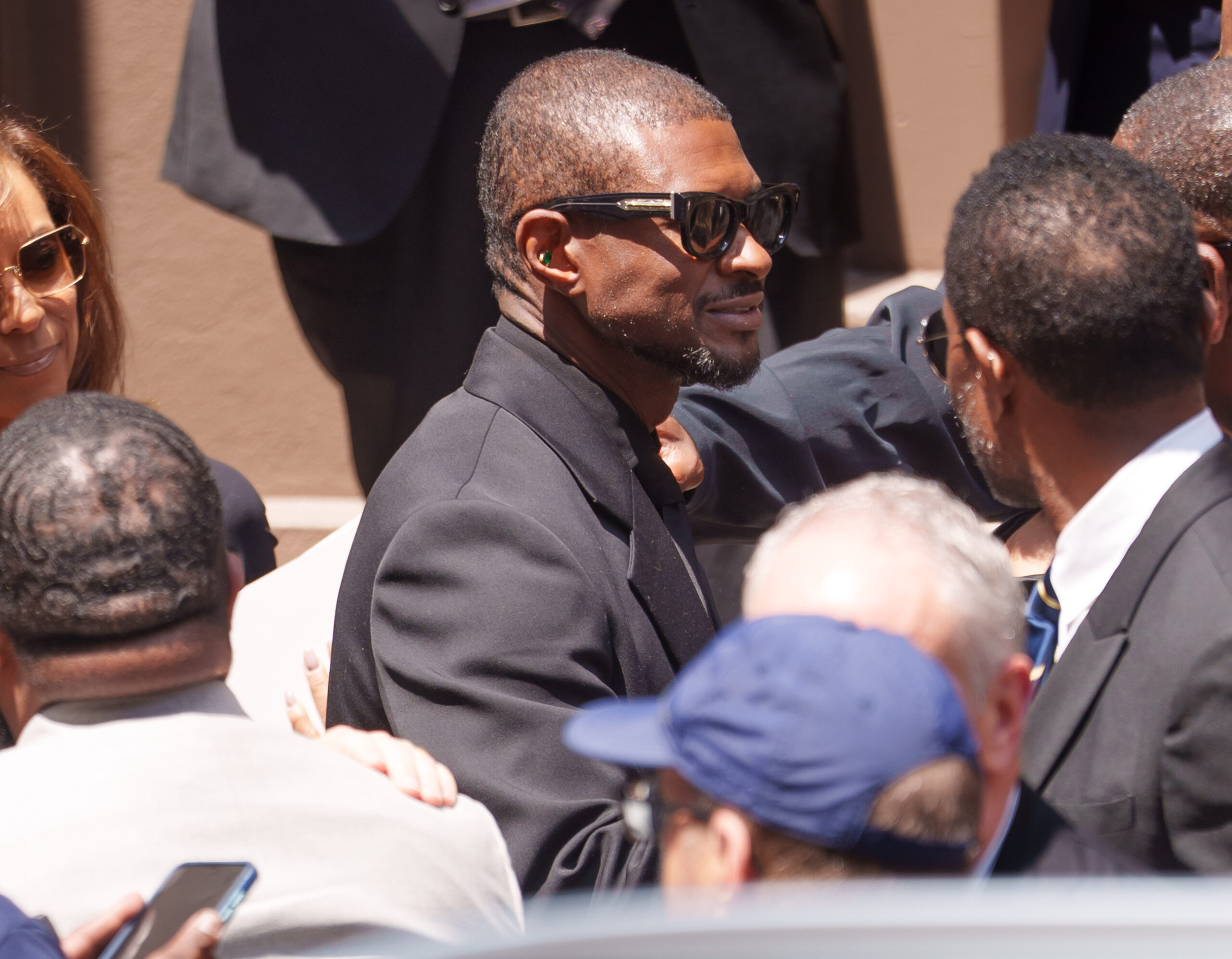
Usher was photographed outside, and some viewers debated what his expression meant—an example of how easily a single image can be read in many ways.
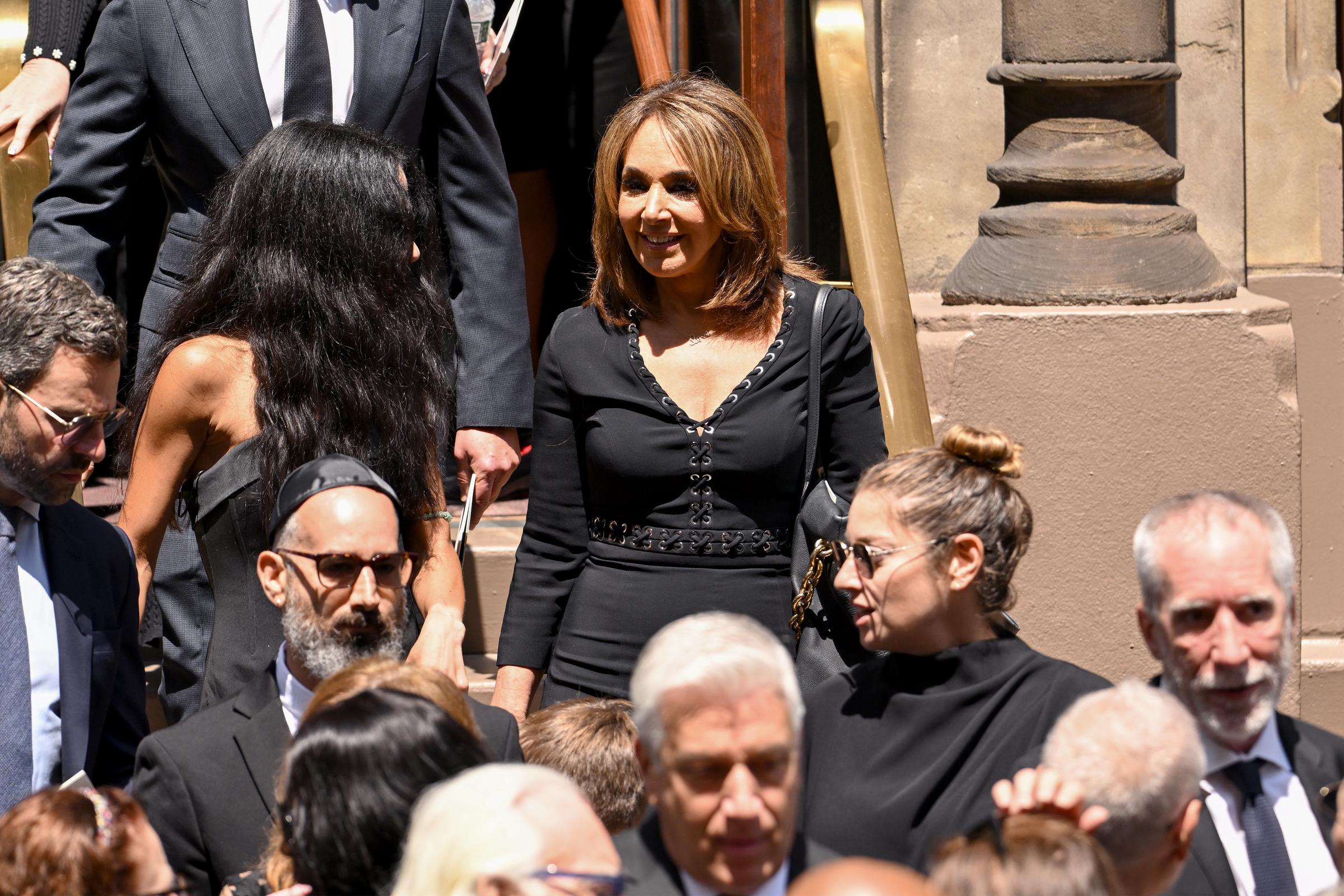
News anchor Rosanna Scotto was seen smiling. To some, it felt unexpected; to others, it looked like the shared warmth of old colleagues meeting again under sad circumstances.
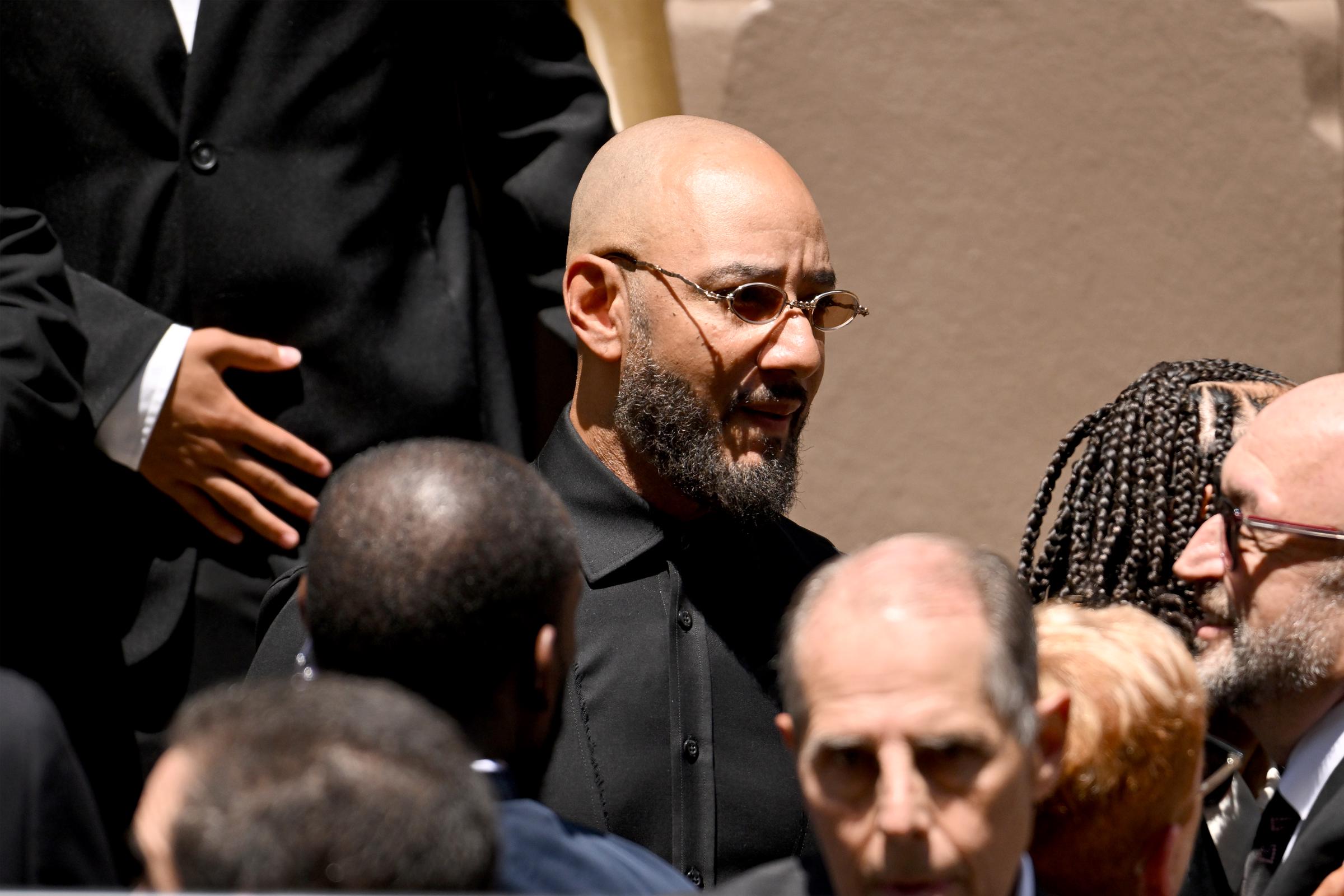
Swizz Beatz, in contrast, appeared solemn as he left the synagogue. The afternoon’s images reflected a full spectrum of emotions.
Another thread of conversation centered on who was not pictured. One person wondered aloud about Oprah Winfrey’s absence, though her longtime friend Gayle King did attend and was photographed.
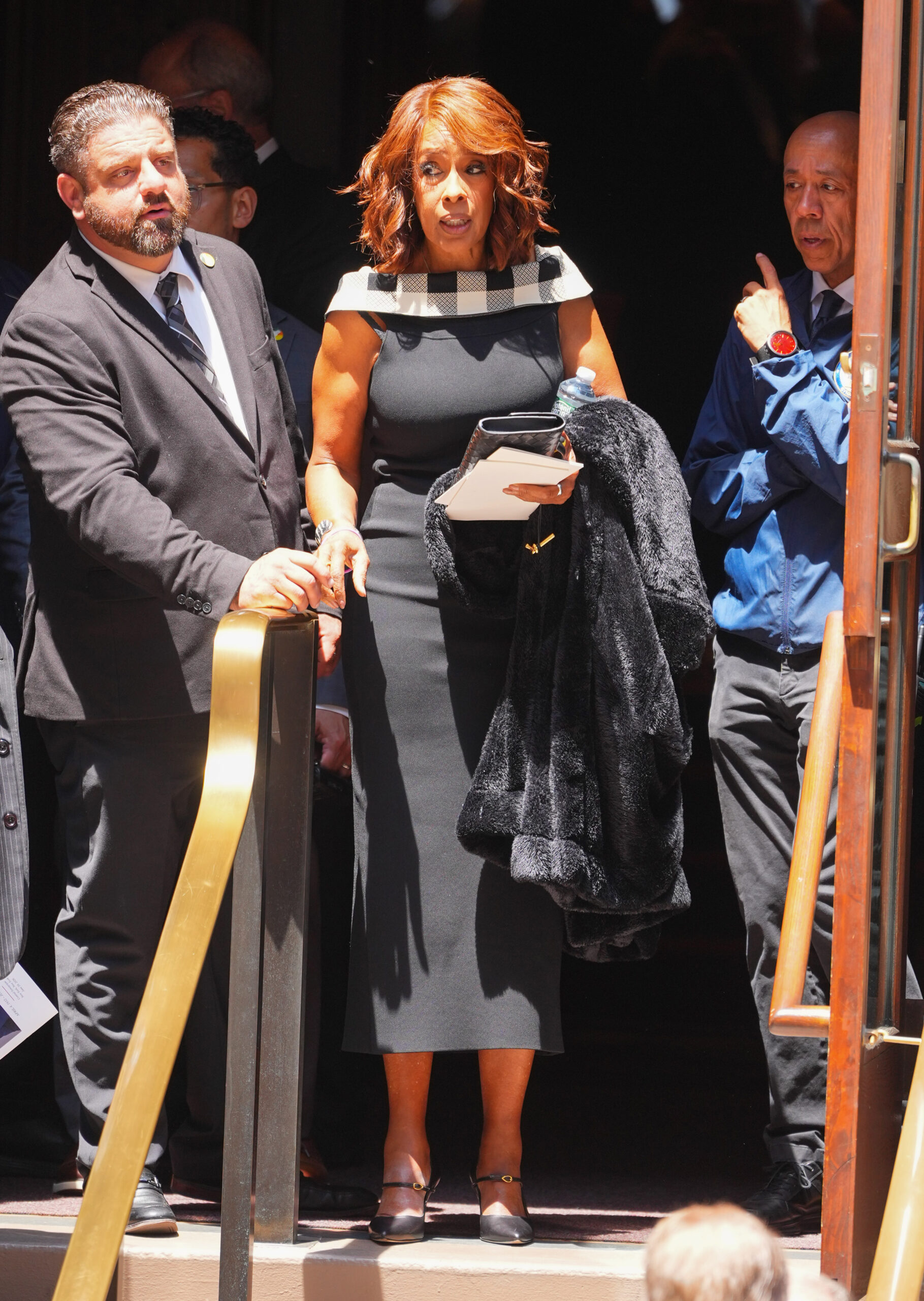
Gayle King was present to honor Davis, a reminder of how his influence resonated across media and culture.
Alicia Keys also drew comments from viewers who said they almost did not recognize her at first glance—proof that angles, lighting, and a quick turn of the head can change how a familiar face looks on camera.
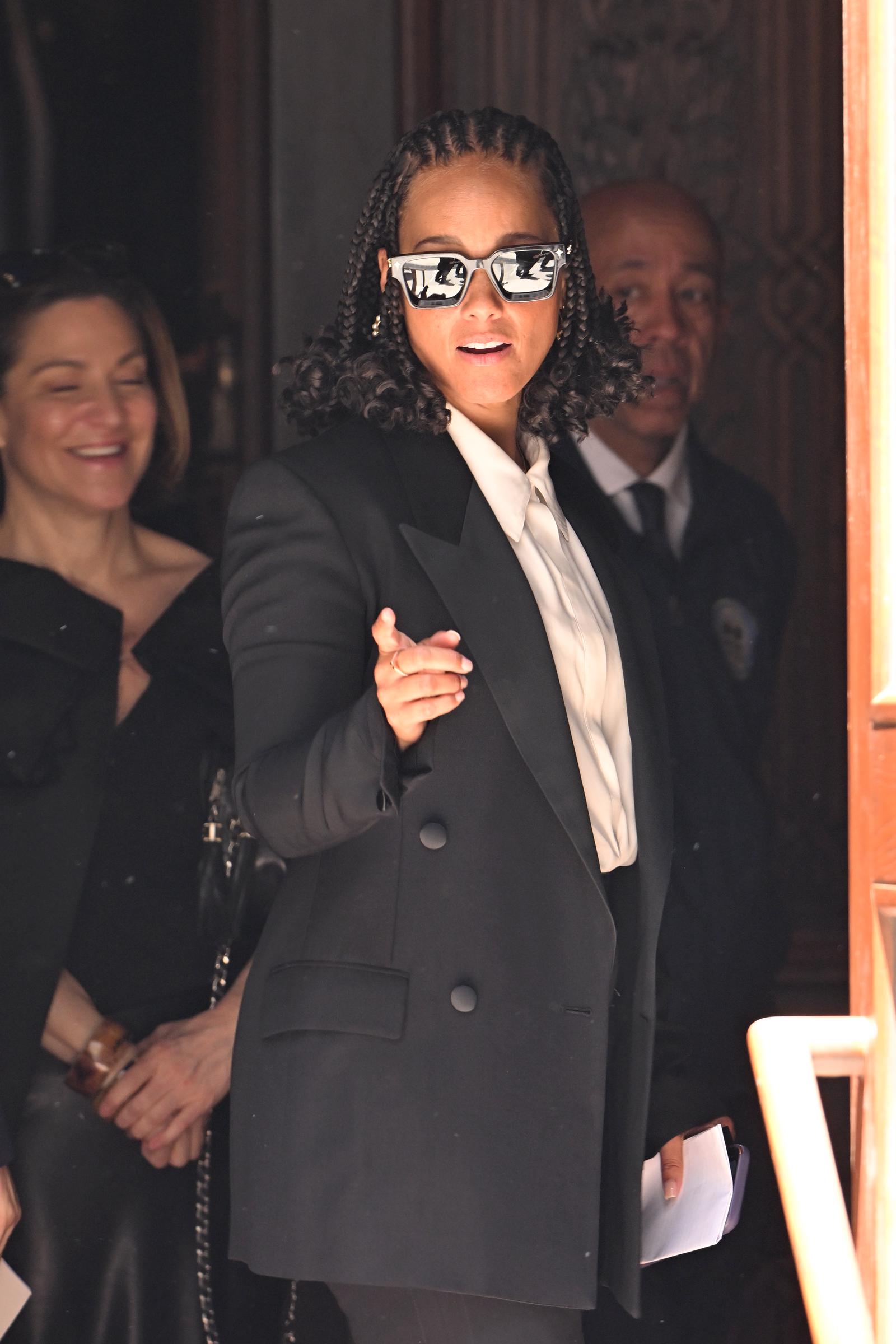
Alicia Keys’s appearance momentarily puzzled some fans online, though many chalked it up to the candid nature of the photos.
Others pointed out the number of smiles in general. It is worth remembering that funerals bring complicated emotions. Old friends reconnect, share stories, and sometimes find themselves smiling through tears as they remember a person who changed their lives.
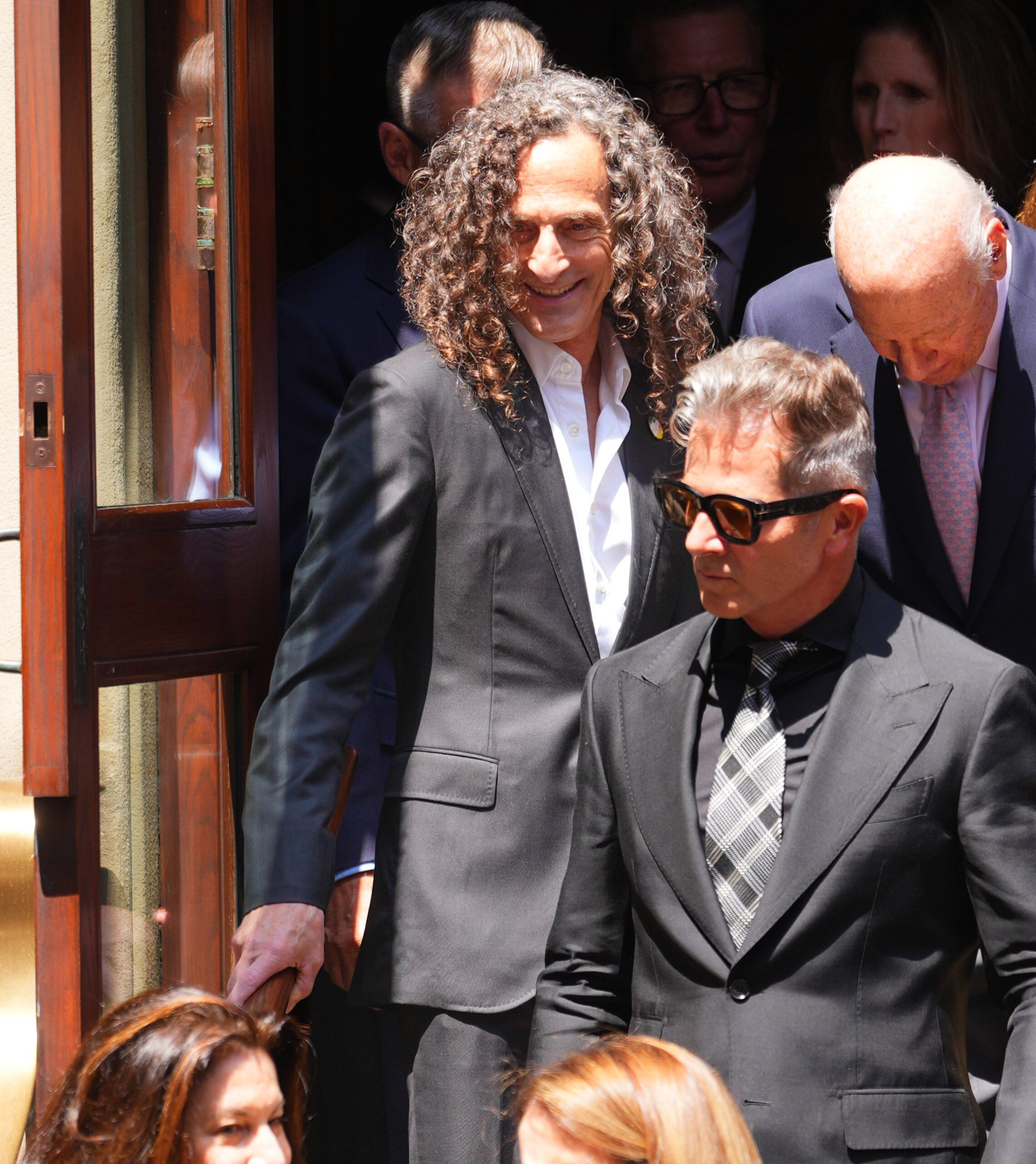
Kenny G appeared to smile for a moment as he moved through the crowd—another example of how candid snapshots capture only a sliver of a much larger, more complex day.
Photography freezes a single instant. A single instant does not always reveal the whole truth of what someone is feeling. Inside the synagogue, there were quiet tears, heartfelt tributes, and music that moved the room. Outside, there were embraces among old friends and brief, gentle smiles that often come with shared memories.
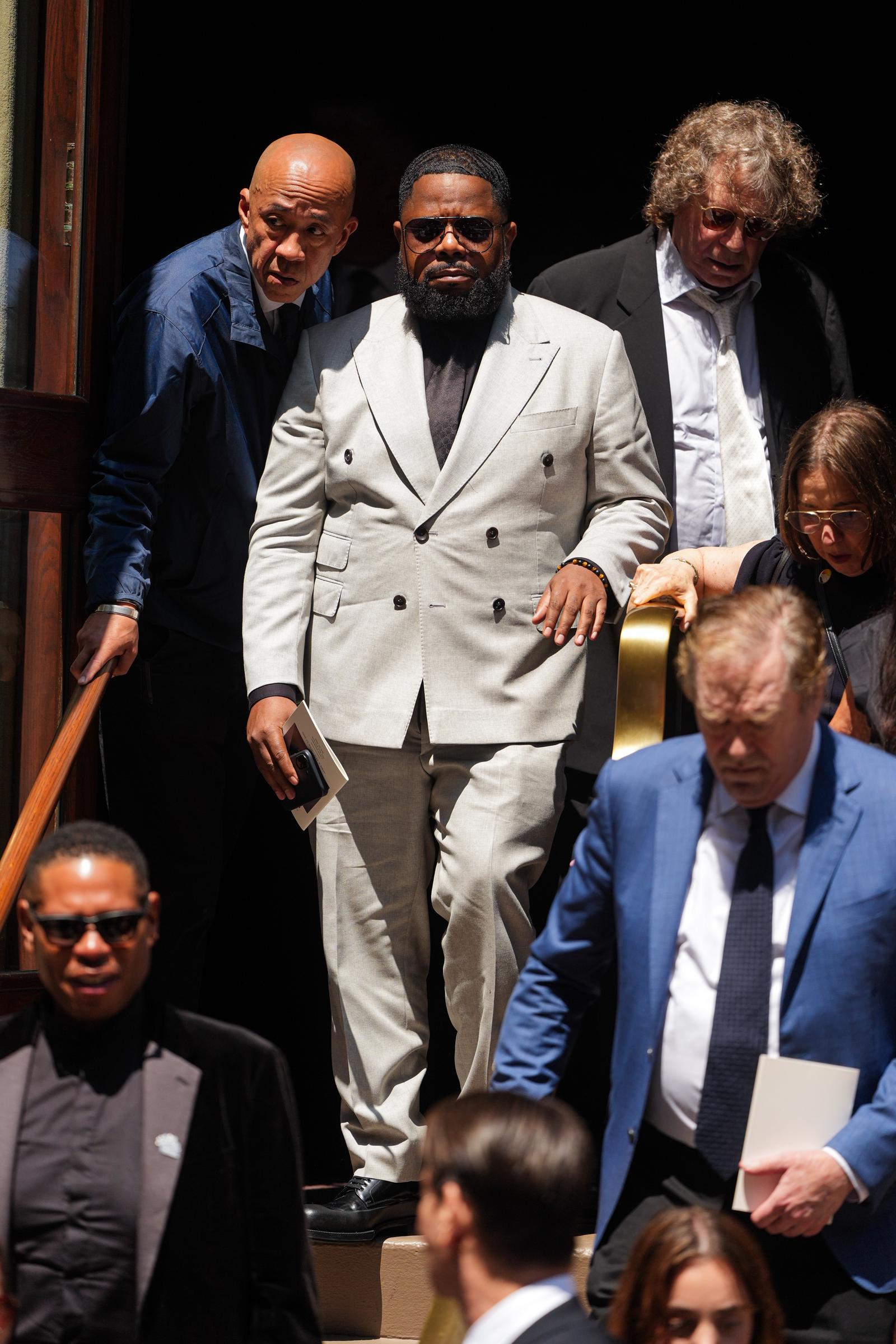
Willie “Prophet” Stiggers was also in attendance, a nod to the many industry figures who felt Davis’s support over the years.
If there was one final testament to Clive Davis’s gift, it was this: even at his own farewell, he brought people together—across genres, generations, and backgrounds. For six decades he had a way of hearing what others did not, of seeing the possibility in a voice, a song, or an artist’s next chapter. On this day, he again united a remarkable crowd, reminding everyone that the true measure of a life in music is not just in the records made, but in the community built along the way.