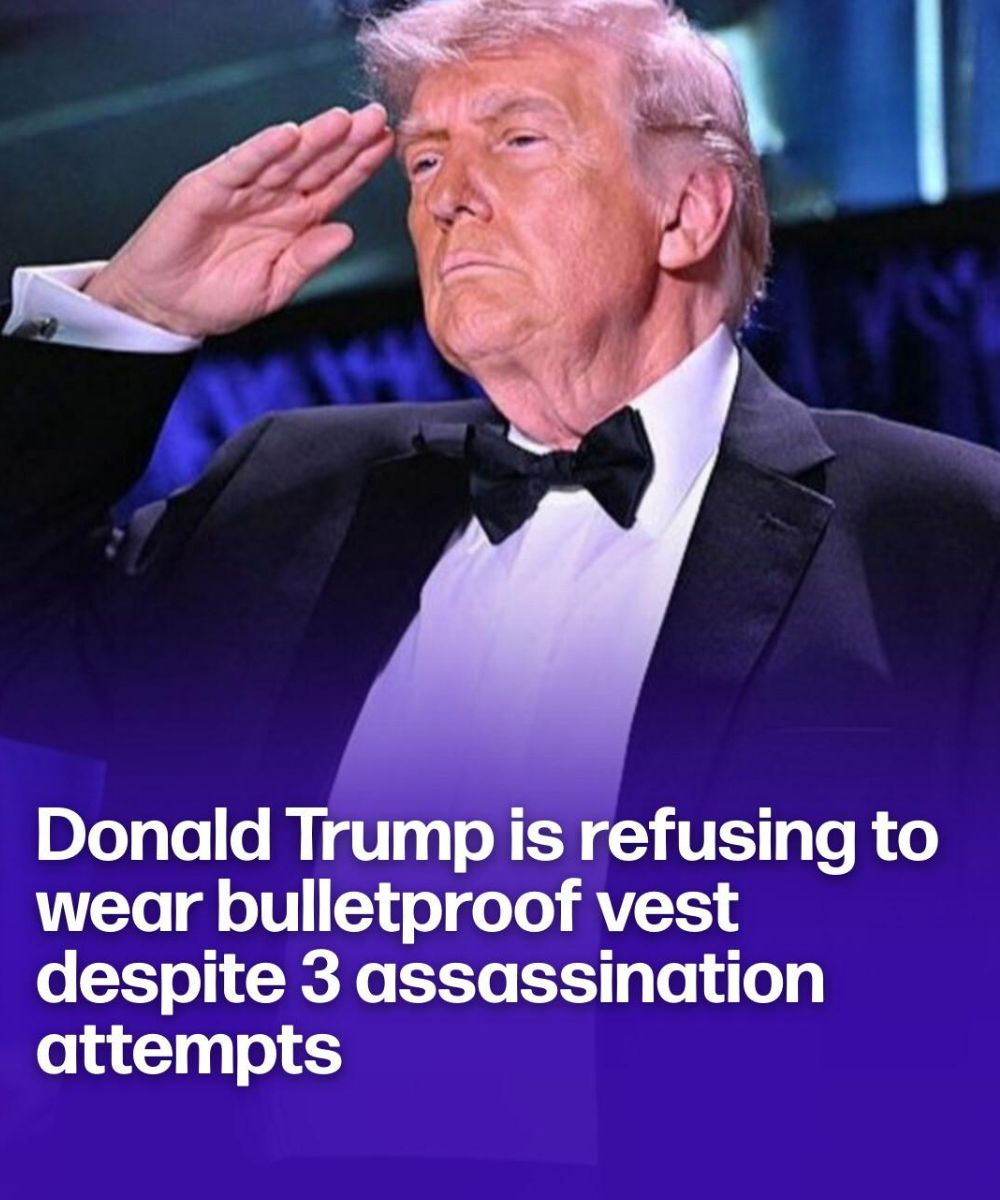
Trump reaffirms he will not wear a bulletproof vest, even after three attempts on his life
Donald Trump says he does not plan to wear a bulletproof vest. He restated that position after a third frightening incident in which gunfire interrupted a public event, and he spoke at length about what happened, how his team responded, and how a protective vest saved a Secret Service agent who was injured. The stance is striking, especially given the risks he has faced, but Trump framed it as a personal choice he intends to maintain while continuing his public schedule.
For many people, particularly those who have watched decades of American public life, the idea of a president or former president declining extra protection may feel surprising. It naturally raises questions about safety, how these decisions are made, and what the balance should be between security, comfort, and public visibility. Trump acknowledged the danger, expressed gratitude to his security detail, and made clear that he intends to keep meeting crowds and speaking directly to supporters.
What happened in Butler, Pennsylvania
On July 13, 2024, while Trump was campaigning in Butler, Pennsylvania, a gunman opened fire from a rooftop near the rally site. The shots disrupted the event in a matter of seconds. Trump was struck in the ear, ushered down from the stage, and rushed to safety as agents and local law enforcement responded. The shooter was killed at the scene. It was a jarring moment that reminded many viewers of the unpredictable nature of open-air events and the incredible speed with which a situation can change.
In the aftermath of that day, Trump returned to the campaign trail and resumed his public schedule. Despite the injury, he presented himself and his campaign as determined to continue, and the incident prompted renewed public discussion about security at large political gatherings and the degree to which public figures can or should alter their behavior in light of threats.
An arrest near Trump’s Florida golf club
Two months later, on September 15, 2024, there was a second scare at Trump’s golf club in Florida. Authorities arrested a man who had allegedly positioned himself with a firearm near the perimeter of the course. Investigators later identified the suspect and announced charges connected to what federal officials described as a planned attack. Although the quick response prevented bloodshed, the incident added urgency to questions about how close potential attackers can get, how protective teams monitor large properties, and how much risk remains even with substantial security in place.
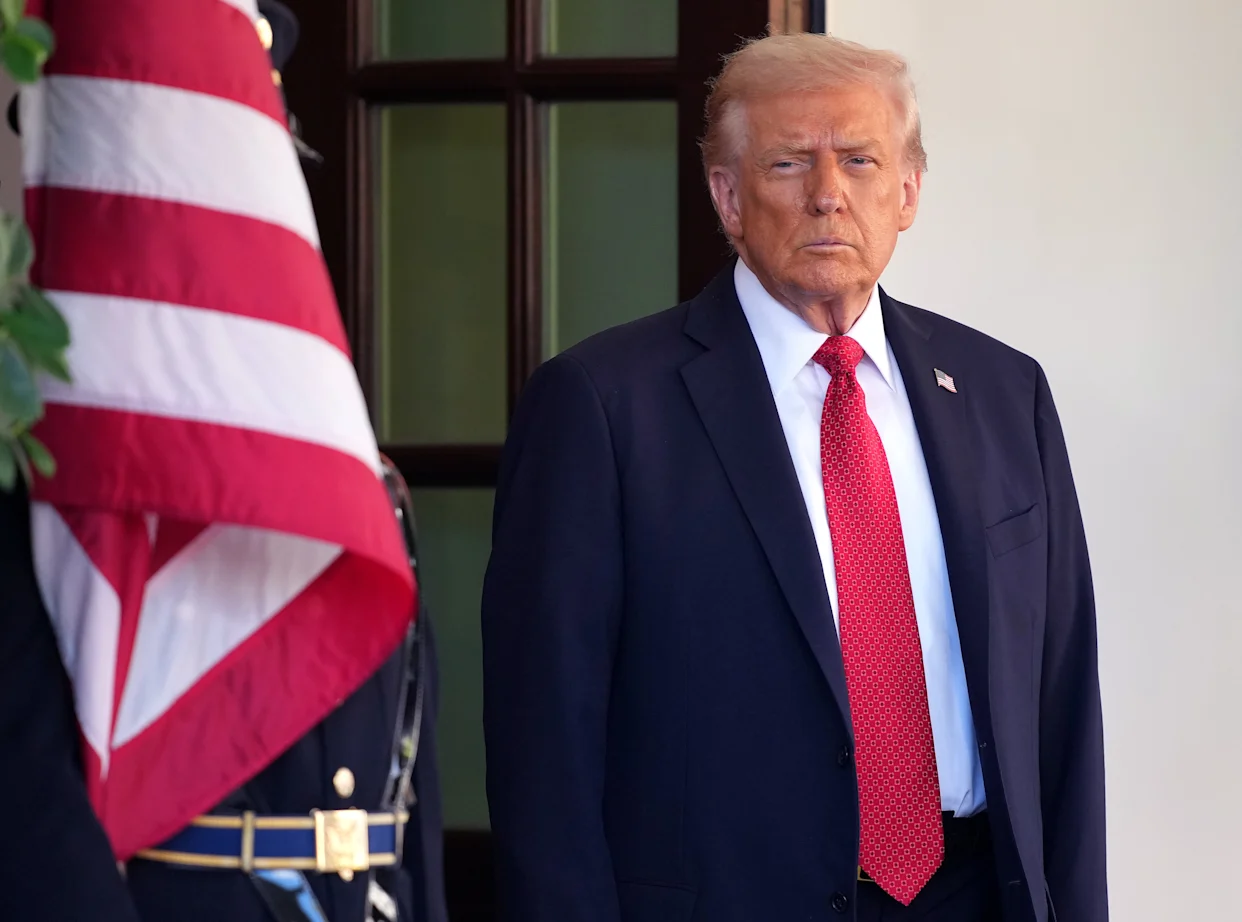
Shots fired at the White House Correspondents’ Dinner
The most recent and widely discussed incident occurred on April 25, 2026, during the White House Correspondents’ Dinner. A man opened fire, and the formal ballroom where the dinner was being held turned suddenly tense and chaotic. Trump was moved swiftly out of the room while agents and law enforcement contained the threat. The incident was over quickly, but it underscored how even a controlled, credentialed event can be disrupted by a determined attacker.
Officials later said the suspect faced multiple federal charges. Those charges included attempting to assassinate the President of the United States, transporting a firearm and ammunition across state lines with criminal intent, and discharging a weapon during the commission of a violent crime. The legal process will run its course, but the outline of the case was unambiguous: investigators believe this was a targeted, violent plan, not an accident or misunderstanding.
Shortly afterward, Trump addressed the press. He discussed what had been learned about the alleged shooter, and he confirmed that a member of his protection detail was hurt in the confrontation. He also took time to praise the first responders and the security team for acting fast, keeping the public away from harm, and restoring order.
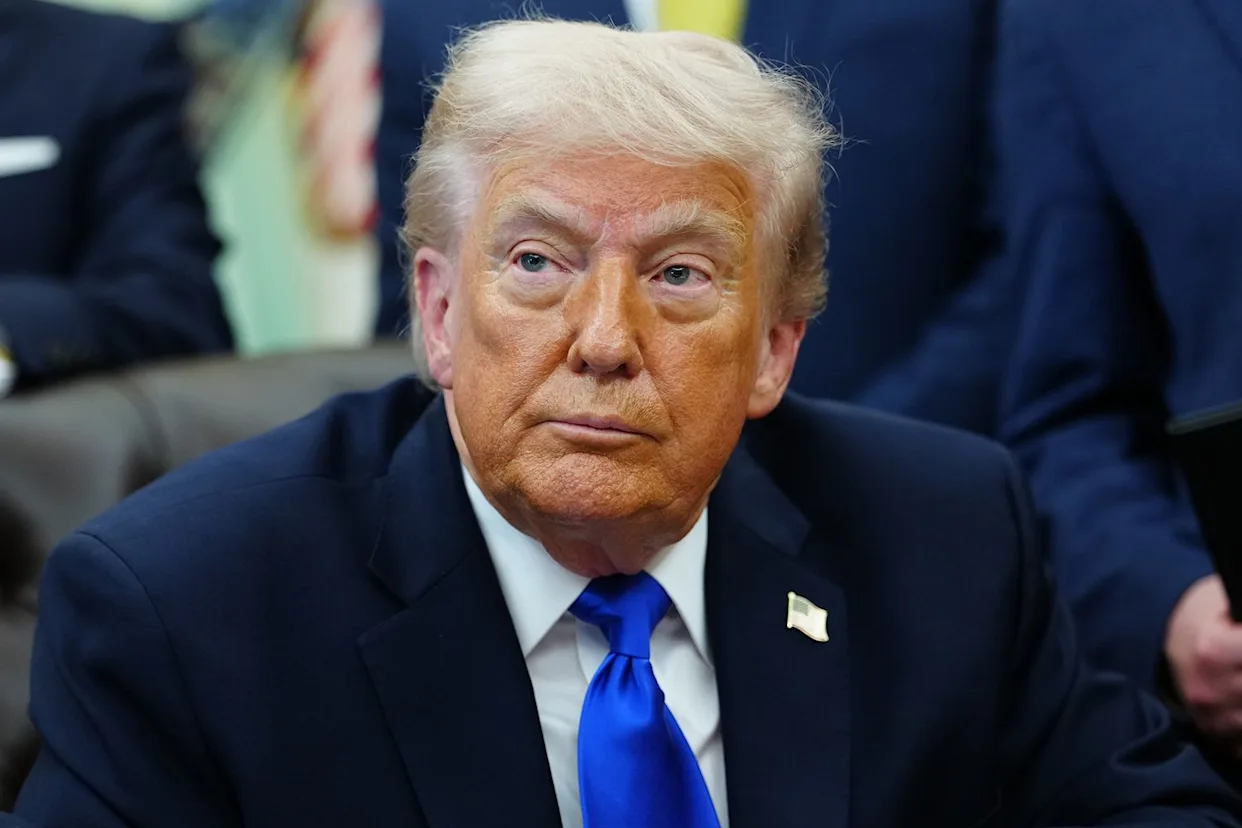
“One officer was shot but saved by the fact that he was wearing, obviously, a very good, bulletproof vest,” Trump said. “He was shot from a very close distance with a very powerful gun.”
He added that the injured agent was recovering, crediting the protective gear for preventing a far worse outcome. “The vest did the job … He’s doing great,” Trump said. “He’s in great shape, he’s in very high spirits and we told him we love him and respect him. He’s a very proud guy, proud of what he does, a Secret Service agent.”
His decision about personal protective gear
Against that backdrop, Trump reiterated that he does not plan to wear a bulletproof vest himself. He did not dwell on the details, but he framed the choice as personal and indicated he will rely on the extensive planning and experience of his protective team. He signaled that he understands the risks and accepts them, even as he acknowledged and praised the protective equipment that saved a member of his detail.
For people who follow public life closely, this may seem like a difficult choice to understand. It is natural to wonder why someone in a high-risk position would decline an extra layer of protection. Public figures weigh several factors when they make decisions like this. Security leaders can offer recommendations, but the person being protected also considers comfort, range of movement, how gear affects speech and breathing during long events, how it appears on camera, and the desire to stay connected and at ease with an audience. Each person and situation is different, and ultimately the decision rests with the individual in consultation with professionals.
Why some public figures choose not to wear vests
Bullet-resistant vests save lives. That is not in dispute, as illustrated by the agent who was spared catastrophic injury because he wore one. Yet the choice to wear or not wear a vest is not as simple as saying yes or no to safety. These garments add weight, can trap heat, and can make it harder to move quickly on stage, in a car, or through a crowd. They can also be conspicuous under tailored clothing, which may matter during formal appearances or televised events. And while they offer important protection to the torso, they are not a complete shield. They do not cover the head, neck, or limbs, and they provide less benefit against certain types of high-velocity rounds unless paired with heavier plates that are even more cumbersome.
For some leaders, the calculation lands in favor of wearing advanced protection, especially at outdoor rallies or when a threat level spikes. For others, the calculation focuses on maintaining comfort, natural movement, and a familiar public presence. The same person may make different choices in different settings. Indoor events with controlled entry might feel different than wide-open venues. It is a balance, and reasonable people, including security experts, can disagree on where to draw the line.
How these decisions are made with security teams
When a figure like a president or former president appears in public, multiple layers of security are already at work. The team studies the venue well in advance, reviews visible and hidden access points, looks at rooflines and vantage points, screens attendees, and coordinates with local and federal law enforcement. The goal is to prevent a threat from taking shape in the first place. Personal protective gear like a vest is part of that conversation but not the only part. Often, the most effective protection comes from planning and quick reactions—exactly what the public saw in these recent events.
Inside that planning, there is room for personal preference. A speaker might ask for a wider buffer between the stage and the crowd, or agree to a shorter route through a building, or opt for a different type of microphone to avoid cords that snag on clothing. Those choices, small as they seem, add up. Whether to wear a vest sits within that same framework. Some days, the answer is yes. Other days, it is no. Trump made clear that, for now, his answer is no, even after three high-profile scares.
A plain-English look at bulletproof vests
Many people use the term “bulletproof vest,” but professionals often say “bullet-resistant.” That difference matters. These vests are designed to slow and stop certain kinds of bullets, especially the ones most commonly fired from handguns. The soft panels—often made from advanced fibers that are woven and layered—spread the impact across a larger area. The hit still hurts, and it can bruise or even crack ribs, but it can keep a bullet from penetrating. For additional protection against more powerful rounds, rigid plates can be inserted. Those plates are heavier and bulkier but provide greater stopping power.
Protection levels vary. The most protective gear offers more coverage and strength but is harder to wear for long periods, especially under formal clothing or in warm rooms with bright lights. For someone who spends hours greeting people, walking through venues, or speaking on stage, even a few extra pounds can add up. That is one reason why some public figures, including Trump, weigh the choice carefully. The experience is not purely about safety; it is also about whether the person can perform the job comfortably and naturally.
The human side of security
There is a human element to all of this. People expect their leaders to be visible and to connect in person. At the same time, no one likes to think about the risks. These recent incidents highlight both sides of the equation. On one side is the determination to keep meeting with the public, to continue a full schedule, and to show steadiness in the face of fear. On the other is the reality that a moment of violence can unfold suddenly, even when careful steps are taken to prevent it. That tension is not new in American life, but it feels immediate when it involves a familiar figure on a brightly lit stage.
When Trump spoke after the latest incident, he made a point to thank the people who run toward danger when others are running away. He called attention to the injured agent and to the protective gear that prevented the worst outcome. By doing so, he underscored a message that resonates with many Americans: gratitude for the professionals who quietly do a dangerous job, day after day, to keep events peaceful and to protect lives.
What it means going forward
Looking ahead, Trump’s position is clear. He does not intend to wear a bulletproof vest, and he plans to keep his schedule. The security posture around him will continue to adapt, just as it does for every high-profile figure. Venues will be examined more closely. Perimeters will shift. Timelines and routes will be adjusted. The public may notice some of those changes, but most will be invisible. The aim is the same as always: keep people safe while letting the event feel normal.
For those watching from home, especially people who have seen many eras of politics and remember moments of national shock, it is understandable to feel uneasy. It helps to remember that large, skilled teams back every public appearance. Their preparation is extensive, their drills are repetitive by design, and their work is guided by lessons learned, sometimes painfully, across decades. The fact that a vest saved an agent in this latest incident shows both the value of equipment and the value of training. When trouble came, people knew what to do, and they did it quickly.
Reflections on risk, resolve, and choice
Each time a public event is interrupted by violence, it prompts the same set of questions. Should leaders change how they appear in public? Should security be more visible or more discreet? Should protective gear be mandatory? There are no easy answers, because people come to different conclusions about what they value most. Some place comfort and connection at the top. Others place a premium on maximum protection. In this moment, Trump has chosen the path of continuity. He accepts the risk, he trusts his team, and he says he will move forward without a vest.
What is certain is that the conversation will continue. The three incidents—Butler, the Florida golf club arrest, and the Correspondents’ Dinner—will shape how events are planned in the months ahead. They will also serve as reminders of the quick, quiet competence of the people who stand between a threat and the rest of us. However people feel about Trump’s decision, many will agree with the sentiment he expressed about the injured agent: appreciation, respect, and relief that protective equipment did its job when the moment came.
A calm close after a turbulent stretch
After a season of unsettling headlines, a simple truth stands out. Public life carries risk, and that risk cannot be reduced to zero. But preparation matters. Training matters. And choices—about routes, venues, pacing, and, yes, clothing—matter too. Trump has made his choice about a bulletproof vest. Others in similar positions have made different choices. What binds those choices together is a shared reliance on professionals who prepare for the worst so the rest of us can gather, speak, listen, and go home safely.
In the end, that is what many Americans, particularly those who have watched public life unfold over a lifetime, want most of all. They want the country’s debates to stay on the stage and off the front lines. They want leaders to be both visible and safe. And they want the men and women who protect those leaders to have what they need and to return home at the end of the day. The recent incidents were sobering, but they were also instructive. They showed where the system bent, where it held, and where the choices of one man—about risk, about resolve, and about how to present himself to the public—remain firmly his to make.