
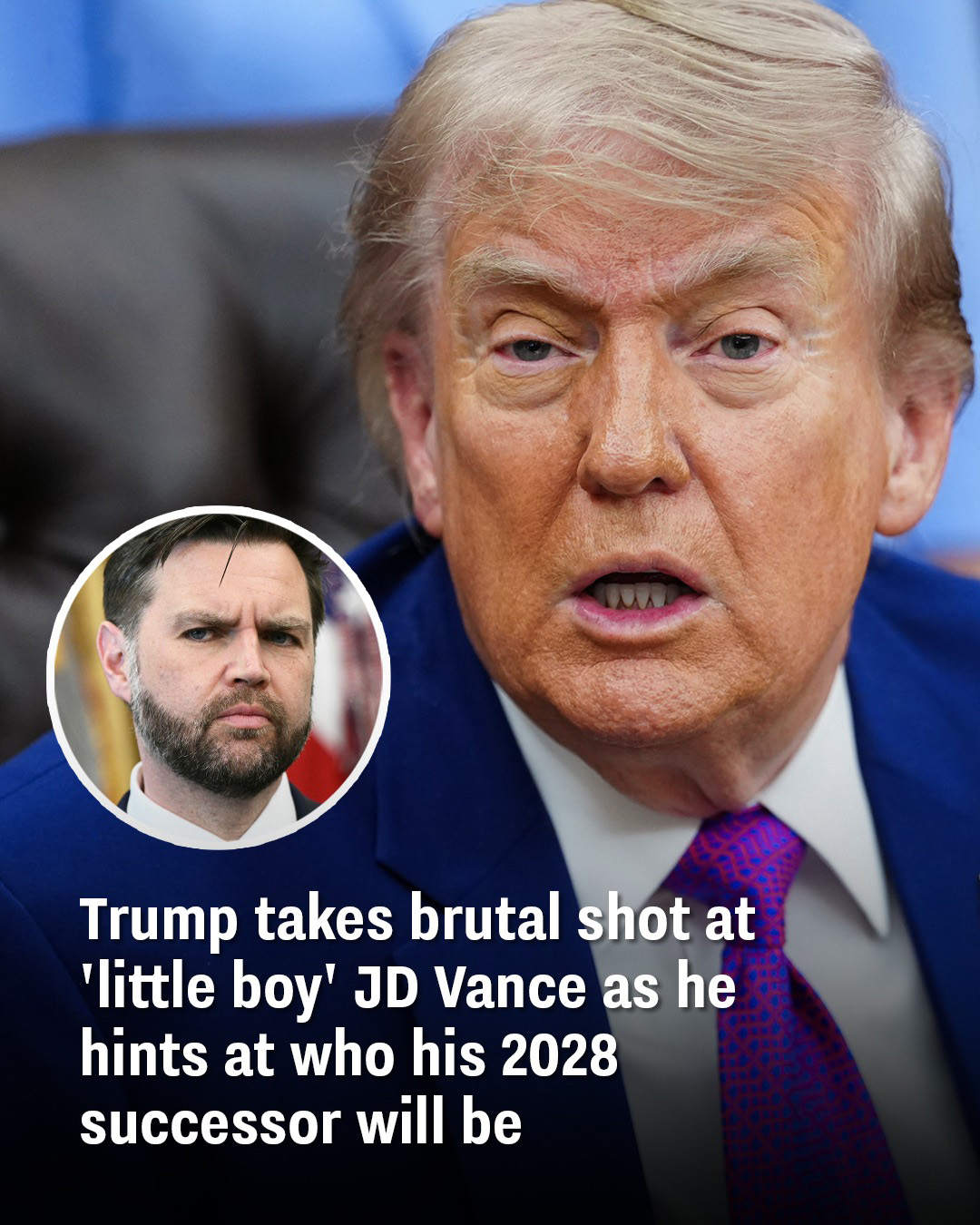
Trump revisits recent security scare and makes a light-hearted quip about JD Vance
Speaking to a room filled with law enforcement officials, Donald Trump took a moment to look back on the recent security scare that unfolded during the White House Correspondents’ Dinner. In his familiar off-the-cuff style, he mixed gratitude for the agents who acted swiftly with a joke aimed at his vice president, JD Vance, calling him a “little boy” as he described how quickly agents moved Vance out of harm’s way.
Trump’s tone was buoyant, the crowd was in good spirits, and the remark drew an easy laugh. He painted a vivid picture of those tense moments, saying that when the alert sounded, the Secret Service moved with practiced precision. Within seconds, he and several senior officials were hustled to safety, following well-rehearsed procedures designed for exactly that kind of emergency.
He emphasized his appreciation for the team that protected everyone on site. “I thought you did a great job two weeks ago. You know why? Because I’m here,” he said, offering a simple yet heartfelt thanks for their speed and professionalism. It was an acknowledgment of the work that most people never see and a reminder that, even in a routine public event, vigilance matters.
As he recounted the response, Trump zeroed in on a moment that clearly stuck with him. He said he watched agents lift JD Vance straight up from his chair and sweep him away in a blink. The way he told it, the image was almost cartoonish: Vance popped out of his seat and disappeared behind a wall of protective suits, as if he weighed nothing at all.
With a grin, Trump wondered aloud why he didn’t get the same treatment. He joked that he’d have liked to be plucked up just as fast, but that the agents seemed to move slightly differently with him. The punchline was delivered gently, at Vance’s expense but without malice, and the room joined in the laugh.
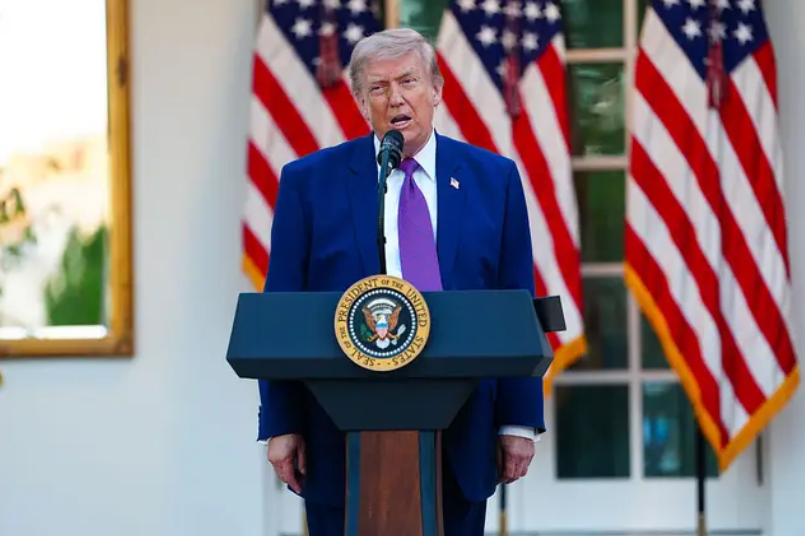
In a quieter moment, he also made clear that he understands the stakes of those split-second decisions. He said he would be the first to point out any real mistakes if they had occurred, yet he found none, praising the “great professional people” who train and prepare for every possibility. That blend of humor and respect kept the tone light while underscoring the seriousness of the job.
For anyone who has ever watched a protective detail at work, the scene he described makes perfect sense. When the alert goes out, agents are trained to move protectees rapidly and decisively, often lifting them to control momentum, avoid trips, and reduce risk. Different people might be moved in different ways depending on where they are seated, their proximity to exits, or which agents are closest at that exact second. In other words, what looks uneven from the outside is usually the product of a well-rehearsed plan playing out in real time.
Trump’s quip about Vance being whisked away “like a little boy” got the headline, but his broader message was about confidence in the teams that keep events safe. He framed it as both a thank-you and a lighthearted debrief, a way to acknowledge the tension of the night while giving the audience permission to exhale and smile about the outcome. In that way, the humor served a purpose: it allowed everyone to move forward without losing sight of the gravity behind the scenes.
Take a listen here:
After reliving the security scare, Trump shifted easily to politics, musing about what the 2028 election might look like. He didn’t make an endorsement, but he very much encouraged the conversation. With a showman’s flair, he asked the room for a quick, informal poll. “Who likes JD Vance? Who likes Marco Rubio?” he asked, inviting the kind of call-and-response that has long been a hallmark of his events.
The crowd reacted, and Trump kept the teasing tone going: “Is it gonna be JD? Is it gonna be someone else? I don’t know.” He referred to Vance and Rubio as a “dream team,” then immediately clarified that such compliments didn’t amount to a formal endorsement. Even so, the message landed clearly. When a president floats a pairing like that, he knows the political world will take notice.
Trump went one step further, mulling aloud that the pairing “sounds like presidential candidate and vice presidential candidate.” But he left it at that, refusing to say which of the two he thought sounded more like the future at the top of a ticket. It was classic stagecraft: stoke a little intrigue, praise two prominent Republicans, and keep everyone guessing until it serves a larger purpose to be more direct.
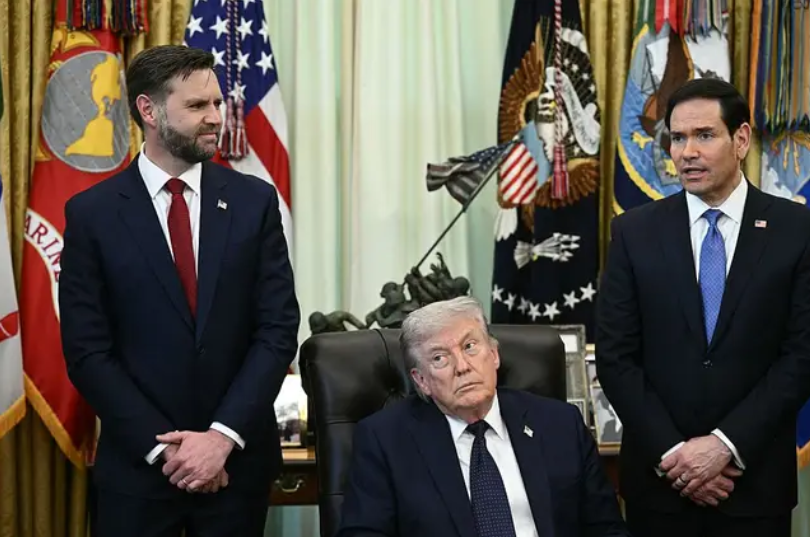
What does it mean, practically? For now, likely not much beyond the obvious. It’s still early to lock in on 2028. Plenty can change in national politics in a year, and even more can change over the course of a full election cycle. But by putting JD Vance and Marco Rubio in the same sentence as a “dream team,” Trump signaled that he sees them as figures with the stature and following to compete seriously on the national stage.
Vance, of course, remains a central figure in the current administration’s story. His rise from bestselling author and political outsider to high office gave him an unusually fast national profile. Rubio has long been a familiar name to voters across the country, known for his years in the Senate and for his roles in debates about foreign policy, national security, and the economy. Both men bring different strengths to the table, and Trump’s remarks underscored those contrasts without forcing a choice between them.
Notably, Trump avoided saying which one sounded like the “presidential” half of the duo and which might fit better as a running mate. That ambiguity allows supporters of either man to feel energized by the mention. It also provides a low-risk way to test how party activists and voters respond when they hear those names in that context. In politics, sometimes the most valuable information comes from a simple question posed to a friendly crowd.
There’s another wrinkle worth remembering. In past interviews, Rubio has signaled that he would be inclined to back Vance if Vance decided to run in a future cycle. That sort of deference is not a formal pledge, and situations evolve, but it does add an interesting layer to Trump’s “dream team” framing. If anything, it suggests that both men are content, for now, to keep their options open while avoiding public friction.
Trump has also, from time to time, mused about the larger question of term limits and what the Constitution does and does not allow. In a previous conversation, he waved away talk of exploiting any “loopholes,” saying he does not believe in using them. That comment did not amount to a promise about the future, but it fits with the light-touch, suggest-and-withdraw style he used in these latest remarks about 2028.
For those wondering what it all adds up to, the answer is simple but important. In a single appearance, Trump did three things at once. He reassured the public that the protective systems around our national leaders work exactly as designed when it counts. He showed his human side by telling the story with humor, poking fun at himself and at the sight of a vice president being swept up like a feather. And he sparked an early, friendly debate about who might be ready to carry the party forward in the next race.
If you are someone who appreciates straightforward talk, the evening had plenty of it. Trump’s praise for the security detail rang clear. His joking remark about JD Vance brought levity to a story that could otherwise have felt heavy. And his speculative nod to 2028 let supporters and onlookers alike begin to picture possible futures, without locking anyone into a position before the time is right.
It’s worth pausing on one other practical point from that night. The speed with which officials responded, and the fact that multiple leaders were moved at once, are reminders that security plans are layered by design. Sometimes one person will appear to be moved first simply because of where the alert came from or how a room is set up. In the end, everyone is covered by the same web of training and protocols, no matter where they are sitting or standing at the instant an alarm sounds.
Trump’s description of JD Vance being lifted “like a little boy” plays as comedy, but it also captures a real protective tactic. When agents lift a person, they reduce delays, avoid falls, and maintain control over direction and pace. That’s not about who is more important or more urgent in the moment. It’s about physics, floor plans, and keeping a clear path. The joke lands because the image is funny; the method works because it has been practiced countless times.
As for the politics, the names he mentioned will likely remain at the center of speculation for months to come. Supporters of Vance will hear confidence in the way Trump framed the question. Admirers of Rubio will hear the same. And those who are still undecided can take comfort in the idea that the conversation is just opening, with time to weigh experience, ideas, and temperament before anyone is asked to make a choice.
In that sense, calling Vance and Rubio a “dream team” was a canny turn of phrase. It flatters both men while committing to neither. It invites others to imagine themselves into different roles and scenarios for 2028 without closing the door on future surprises. For a political movement that thrives on enthusiasm and participation, it’s a gentle way to keep energy high and options open.
Looking ahead, there will be many opportunities for all of these figures to define themselves more sharply. Speeches will be given, interviews will be granted, and votes will be cast on legislation that clarifies where leaders stand. But for now, the moment belongs to an unscripted story told with a smile: a swift response to a sudden scare, a vice president briefly airborne, and a president who turned a night of tension into a shared, slightly mischievous laugh.
The lasting takeaway is straightforward. The systems worked, the people in charge expressed gratitude, and the country was reminded that preparation and professionalism make the difference when it matters most. Along the way, a few words about the future set imaginations in motion. Whether the ultimate answer in 2028 turns out to be JD Vance, Marco Rubio, or someone else entirely, the conversation has begun. And like most national conversations, it will unfold one moment, one comment, and one crowd reaction at a time.
Until then, the image of JD Vance being hoisted from his seat will likely stick in the public memory, both because it is striking and because it let people laugh after a nervous moment. It is a small story with a big message: readiness matters, humor helps, and a little levity can ease a lot of tension. That may be why Trump chose to share it the way he did—and why audiences, particularly those who have seen many political seasons come and go, found themselves nodding along.
In an era when news cycles move fast and headlines often arrive with a jolt, this blend of reassurance and lightheartedness offers a welcome balance. It respects the seriousness of safeguarding leaders while allowing space to smile at the human side of it all. And as for 2028, the possibilities remain open, the speculation lively, and the final lineup yet to be decided.



